

Flystrike, also known as myiasis, is a severe and potentially fatal condition that can affect rabbits and guinea pigs. It occurs when flies lay their eggs on the animal’s fur, which then hatch into maggots and burrow into the animal’s flesh. In this article, The Avenues Vets’ Head Vet Nicola discusses how to prevent your rabbit or guinea pig from getting flystrike.
Call us on 0141 643 0404 if you spot signs of flystrike in your small furry pets.
5 Ways to Avoid Flystrike
1. Keep your pet’s living area clean
Flystrike most commonly occurs in dirty or unhygienic living conditions. To prevent flystrike, it’s essential to keep your pet’s living area clean and well-maintained. Nicola recommends regularly cleaning the cage or hutch, removing any soiled bedding, and keeping the area free of faeces and urine. This is the best way to keep your pet’s risk of flystrike down.
2. Check your pet’s bottom
Rabbits and guinea pigs are most susceptible to flystrike in their rear ends, where it is difficult for them to clean themselves properly. To prevent flystrike, it’s essential to check your pet’s bottom daily, especially during the summer months. If you notice any signs of soiling or moisture, clean the area immediately and monitor it closely for any signs of flystrike. Contact us if you’re concerned and our team of nurses will be happy to advise.
3. Use fly screens or netting
Flies are attracted to moist and dirty areas, making your pet’s living area an ideal breeding ground. To prevent flies from entering your pet’s living area, consider using fly screens or netting on windows and doors. This will prevent flies from entering the living area and reduce the risk of flystrike.
4. Use insect repellents
Insect repellents can be an effective way to prevent flies from landing on your pet and reducing the risk of flystrike. However, it’s essential to use a repellent that is safe for your pet and not toxic if ingested. Speak with one of our vets or nurses about the best insect repellent options for your pet.
5. Consider hair trimming
Long or matted fur can provide an ideal breeding ground for flies, making your pet more susceptible to flystrike. Consider trimming your pet’s hair, particularly around the rear end, to reduce the risk of flystrike. However, be careful not to trim too close to the skin, which can cause skin irritation and make your pet more vulnerable to flies. This is something The Avenues Vets’ experienced team of nurses could help you with. Contact now to chat to our nursing team.
In conclusion, flystrike is a severe and potentially fatal condition that can affect rabbits and guinea pigs from all over Lanarkshire. By keeping your pet’s living area clean, checking their bottom daily, using fly screens or netting, using insect repellents, and considering hair trimming, you can significantly reduce the risk of flystrike and keep your pet healthy and happy. If you notice any signs of flystrike, Nicola advises to seek veterinary attention immediately.

Hamsters make great family pets; they are fascinating to watch, fun to handle, and relatively easy to look after. The average lifespan of a hamster is 2-3 years and many lead happy lives without serious illness or disease. However, like all creatures they can be susceptible to illness, and being so small in size means they can deteriorate quickly if left untreated. In this article, our Vet Nicola Armstrong discusses the signs to look for in a poorly hamster, how to tell if your hamster is hibernating and what to do and shares their favourite tips on how to keep your hamster happy.
Contact us if you spot the signs
How to tell if your hamster is under the weather
Nicola advises that just like with any family pet, it is important to be aware of your hamster’s daily routines, eating habits and activity levels. Changes to these things can indicate illness or stress and should not be ignored. Common signs that something may be amiss with your hamster are:
- Reduced eating or loss of appetite
- Weight loss
- Not drinking
- Sore eyes
- Wetness around the tail or diarrhoea
- Frequent sneezing or coughing
- Inactivity or lethargy
- Visible skin lumps, ulcers or tumour
Six common illnesses in hamsters
According to Nicola, even though hamsters are fairly easy to keep, you should still monitor their wellbeing and behaviour to help spot these common hamster illnesses and health problems:
- Dental issues – Did you know that hamsters’ teeth never stop growing? Normally this doesn’t cause problems as long as they have plenty of suitable hard things to gnaw on. However, sometimes they can overgrow and cause pain and stop your hamster eating.
- Allergies – Hamsters can have sensitive skin and suffer from allergies to foods or bedding materials. This may cause skin redness, flakiness or bleeding, especially on the underside of their bellies.
- Lumps & bumps – They can also be prone to lumps and bumps which can grow large and cause problems. Nicola recommends checking your hamster’s skin regularly.
- Wet tail – Hamsters can get what is sometimes called ‘wet tail’ – a watery diarrhoea which presents as wetness around their bottoms. The cause is unknown but thought to be bacterial, often brought on by changes in food or sometimes stress. It can be serious so make sure you call our Glasgow practice straight away on 0141 643 0404 if you suspect your hamster has it.
- Coughs & colds – Hamsters can catch common coughs and colds just like humans. They may pass on their own with time, but it is always best to get them checked out by one of our vets.
- Eye injury/infection – If your hamster is squinting, has one or both eyes closed, and/or has discharge around the eyes there is a chance they have an eye injury or infection.
Contact us if you spot the signs
Is my hamster hibernating?
Hamsters in the wild can hibernate when temperatures drop. This means they will curl into a ball and sleep deeply for a long period of time. Pet hamsters shouldn’t need to hibernate if they are kept at normal household temperatures all year round. Letting your pet hamster go into hibernation isn’t necessary.
If you think your hamster is hibernating don’t panic, even though they won’t be moving you should still be able to see them breathing. To rouse your hamster from hibernation, Nicola recommends moving their cage to a warmer spot in the house (free from drafts) and they will wake gently over the course of a few hours. Once awake, it is a good idea to provide your hamster with fresh bedding to burrow into, and ensure they have fresh food and water to keep their metabolism up.
If you have concerns about your hamster’s current health, contact our team for advice on 0141 643 0404.
Tips to keep your hamster happy
Hamsters are likely to stay happy and healthy if their environments are well-suited to their needs. Here are a few of Nicola’s favourite tips for a stress-free hamster:
- Hamsters are intelligent and get bored easily. Make sure their cage is large enough so they can run around and explore. Enrich it with tunnels, toys, and different levels so they are kept active.
- Hamsters are sensitive to noise and can pick up high frequencies inaudible to the human ear which can cause anxiety. Place your hamster’s cage in a quiet area away from televisions, kitchen appliances, computers, and vacuum cleaners.
- Hamsters love to burrow and build nests. This is also where they like to stash some of their food rather than eat it all at once. Create some cosy areas of bedding in your hamster’s cage where they can rest, nest, and feel safe.
As always, our team in Glasgow love to share pet advice so if you have any questions, please do get in touch!

As a general rule, most rabbits do better in pairs – discover why in our article created especially for National Pet Month and learn what signs to look for in a lonely bunny.
Remember that The Avenues Vets’ team of friendly vet nurses are always happy to give advice on rabbit care.
Ask our Vet Nurses about rabbit care
Working out if your rabbit could be lonely
As sociable animals, rabbits appreciate constant companionship and in the wild you would rarely find a rabbit alone. To mimic their natural behaviour, it is always a good idea to keep your pet rabbit with a friend to avoid them feeling lonely and unhappy.
Our Vet Nicola Armstrong advises that if you notice any of the below, it may be time to think about introducing your rabbit to a new companion.
- Lonely rabbits may overeat, pull at their fur, or become hyperactive and/or angry. Signs of this could be them chewing at rugs or carpets, gnawing furniture, or destroying toys in their hutch.
- If you notice your rabbit biting you, nudging you, or attempting to dig on you, these are other signs that they could be feeling isolated and want more attention.
- On the other hand, if they start to act withdrawn and do not respond as normal when you attempt to interact with them, this is also a sign they may feel lonely.
Remember: if you are worried your rabbit may not be feeling themselves, it is always worth seeking the opinion of your vet so they can rule out any underlying medical conditions.
Contact us to book an appointment
What to know about getting a companion rabbit
The vet nurses at our Glasgow practice recommend matching your rabbit with another of the same age and approximately the same size. Rabbits also like to be paired with a member of the opposite sex but remember to make sure both are neutered. Otherwise, you could end up with a few more rabbits than you originally settled on!
When you introduce them, try to do it somewhere neutral so your original rabbit will not get territorial. This will help to avoid fighting. It is essential that you do not try to rush this step; just take your time and allow your animals to adjust at their own pace.
If you spot them snuggling each other, nuzzling, and rubbing noses, this is a good sign that they have bonded and will be happy to live together full time.
If your rabbits are chasing or fighting one another, Nicola says this is a sign they are struggling to bond. Try changing their environment, providing lots of toys and hiding houses during the introduction, and petting them simultaneously for up to 15 minutes. If you are still struggling to encourage them to bond, then chat to one of our vet nurses who can advise further.
What if I can’t have another rabbit?
Although our vet nurses believe the best companion for a rabbit is another rabbit, plenty of pet owners simply do not have the time, space, or budget for a second animal. With the correct care and attention, it is possible to keep just one rabbit. Here are some tips recommended by our vet nurses to ensure your rabbit is happy and doesn’t feel lonely:
- Show your rabbit plenty of affection with soft rubs on their back, cheek, and forehead.
- Make sure they’ve always got plenty of fresh food, water, and enrichment toys to chew or scratch.
- Rabbits need at least one hour a day out of their hutch – why not set up a run with plenty of space and toys in the garden or set up an indoor rabbit play pen. Rabbits love to play so get down to their level and help them to dig, knock things over, toss things in the air, or even invest in a rabbit safe ball pit or sand box.
For more advice on rabbit health and companionship, don’t hesitate to contact our vet nurses who will be happy to answer your questions.
Ask our vet nurses about rabbit care

Parasites are a common concern for small pets like hamsters, gerbils, and guinea pigs; they are susceptible to a variety of parasites that can cause serious health problems if left untreated. In this article, one of our Glasgow vets is looking at some of the most common parasites that affect these popular pets and what you can do to protect them.
Notice the signs below? Contact us
Mites
According to our vet Nicola, one of the most common parasites that affect small pets is the mite. Mites are tiny, eight-legged creatures that can cause severe itching and irritation. They are most commonly found on the skin, in the ears, and in the eyes. Mites can be difficult to detect because they are so small, but they can cause severe itching and scratching, hair loss, and even secondary infections. Have you spotted any of these signs of mites on your hamster, fancy rat, or gerbil? It’s important to keep your pet’s cage clean to try and prevent mites. We recommend that you book an appointment at our Woodside Avenue surgery if you have any concerns.
Lice
Another common parasite that affects small pets is the lice. Lice are tiny insects that live on the skin and fur of small pets. They can cause itching and scratching, and they can also lead to secondary infections. Lice can be difficult to detect, but they can be treated with topical medications that can be prescribed by Nicola or another of our vets.
Worms
When compared to mice and rats, tapeworm infection in hamsters is more common. Typically, hamsters contract tapeworms from contaminated water and/or feed. It is wise to be aware that some tapeworms that infect hamsters can also infect people. Worms can cause diarrhoea, weight loss, and other health issues. Treatment for internal parasites typically involves a medication prescribed by one of our vets.
Coccidia in Guinea pigs
Guinea pigs, in particular, are also at risk of getting a specific parasite, Coccidia which is a protozoan that can cause diarrhoea and weight loss.
To protect your small pet from parasites, it’s essential to maintain good hygiene in their living area and to schedule regular vet check-ups with our team here at Avenues Vets. Keeping the cage clean and disinfected (look for pet-safe products), providing fresh food and water, and preventing your pet from coming into contact with wild animals or their faeces, can also reduce the risk of parasite infestation.
In conclusion, Nicola advises that although parasites are a common concern for small pets, by keeping a close eye on your pet’s health, providing proper care and hygiene, and consulting with our vets, you can protect your beloved small pet from the harmful effects of these parasites.

It’s pet dental health month so at Avenues Vets we’re recommending all our clients with ‘small furries’ book a nurse-led dental check, so we can give your rabbits, guinea pigs, mice, hamsters, or rats a dental once-over.
Book a ‘small furry’ dental check with a nurse
We’re raising awareness of the importance of oral health as many of the problems we see in little furry creatures at our Glasgow practice originate from dental issues. This is why it’s so important to keep a close eye on your pet’s teeth.
Seven signs of dental disease in small mammals
According to our vet nurses, you should keep a sharp lookout for the following seven symptoms that indicate your pet may be suffering from dental issues:
- Not eating or difficulty eating
- Weight loss
- Swelling of the jaw, particularly noticeable along the lower edge of the mandible
- Excessive salivation and drooling
- An inability to fully close the mouth
- Watery eyes with matting of the hair in the corner
- Swollen appearance of the eye caused by infections behind the eyeball
The effect of diet on the oral health of rabbits & rodents
Most dental problems in rabbits and rodents are linked to a lack of normal wear on their teeth. This is because diets are often too low in fibre. A lack of fibre causes uneven wear of the teeth and in some cases, teeth become overgrown or develop sharp enamel points, known as spurs.
If spotted early enough, ‘spurs’ can be addressed by changing your pet’s diet to one rich in natural, high-fibre foods – Timothy Hay is ideal. Small furries love to nibble on dried grass to keep their continually growing teeth naturally filed down to a healthy length.
If your pet does have significantly elongated teeth, they will need trimming. NEVER do this yourself. If you live in Glasgow or the wider Lanarkshire area, please contact us and we’ll trim their teeth safely.
Our four dietary suggestions for little pets
- Offer your small pets an unlimited amount of fresh Timothy Hay. As well as keeping their continually growing teeth naturally filed down, Timothy Hay also helps small animals maintain regular, firm bowel movements.
- Avoid muesli-style diets as these will cause long-term problems; a high-fibre diet is essential.
- Do not allow your pet to be a selective feeder.
- Buy the highest quality products whenever possible.
We hope you found our dental advice for ‘small furries’ helpful. If you’d like a little help checking your pet’s teeth, contact us to book a nurse-led dental check-up at our Glasgow vet surgery for your rabbits, guinea pigs, mice, hamsters, or rats.
If our nurse finds dental issues your pet may need a vet consultation for further investigation, therefore if you suspect a problem yourself, we recommend booking a vet-check right away. Dental problems in rabbits and guinea pigs are an emergency.

Is your rabbit a truly happy bunny? There are many ways in which you can provide added stimulation to really enrich your pet’s environment, which is why our head nurse at Avenues Vets has put together these top tips.
If you still have questions about how you can improve your rabbit’s life or have concerns and would like to book a check-up at our Woodside Avenue surgery – remember you can always talk to us.
Top five life-enhancing tips for rabbits
1. Stimulating your rabbit’s mind
Rabbits need stimulation and the ability to express natural behaviours to stop boredom or stress setting in. Plastic tubing and cardboard rolls make great tunnels, while containers of soil allow them to practise their digging skills. We’d love to see your creations so please do post your photos on our Facebook page!
2. The perfect companion
Pet rabbits should always be kept in pairs, if possible, but if you have concerns about a pair leading to lots of little ones, please talk to us about neutering. It’s also important for your rabbit to interact with people from a young age. Familiarity with humans will help your rabbit develop into a confident, friendly adult.
3. A nutritional diet
It is important to feed your rabbit the correct diet to maintain digestive health and avoid dental problems. Their teeth grow continuously so they must chew enough fibre to prevent overgrowth. Feed your rabbit quality pellet food, a variety of fresh vegetables and high-quality hay. If you are unsure how much food your rabbit needs each day, you can bring them to see our vet nurses at Glasgow for a weigh-in and to get nutritional advice.
Contact us to book a weight & diet appointment.
4. A safe and sufficient home
A cosy, safe hutch is the perfect place for your rabbit, or rabbits to sleep, but it should be accompanied by a run that’s big enough to allow them to complete at least three full hops and stand up comfortably. Remember, a hutch is not enough!
5. Chews and toys
Rabbits need to chew to keep their teeth in healthy condition but also as a form of enrichment and stimulation. Providing a range of ‘chewables’ in their environment is essential for both physical and mental health. Things like wooden balls, hanging toys, and even chewable tunnels they can play with are going to give your rabbit hours of fun!
6. Protect your pet
Rabbits should be vaccinated for Myxomatosis and VHD (Viral Haemorrhage Disease) every year. They can also pick up parasites, such as ear mites and fleas, both of which can easily be treated. Grooming your rabbit, cleaning their hutch regularly, and keeping their fur clean and dry is essential to avoiding ‘flystrike’, which is a potentially fatal condition. If you need help with any of this, call us on 0141 643 0404 to book an appointment.
We offer a full range of veterinary services for our rabbit patients, so if you have any questions or want a check-up you can always book your bunny to see one of our veterinary team, and we’ll help keep your pet in the best of health.

We often think of our small furry friends as being carefree and happy. It’s hard sometimes to understand that our small furry pets such as rabbits, guinea pig, hamsters, mice, gerbils, rats etc. may suffer from stress too. The vets at our Glasgow veterinary practice have some helpful advice on the topic.
According to Vet Nicola Armstrong, as small prey creatures they are quite a sensitive group of animals and it’s important that we learn what may cause stress and what signs there may be that they are not happy.
As prey species small mammalian pets have an instinct for stress-related behaviours and this can be due to many factors such as changes in environment, social constraints whether it be interaction with others of the same species or too much interaction where they may be handled too much.
It’s important to know that they are continuously assessing their surroundings and looking for those potential threats giving them a very heightened level of anticipation leading to stress.
Potential triggers
Nicola Armstrong says that simple things in their day-to-day life that we inflict such as dietary change, moving into a new home or changes to their habitat can all induce stress. Cleaning too regularly especially with strong levels of disinfectant can also be triggers to certain species.
Signs of stress
If you are concerned your pet may be feeling stressed some of the signs include:
- Hiding
- Fidgety when handled
- Freeing when you approach
- Decreased activity
- Changes in appetite
- Behaviour changes
- Excessive grooming
- Fighting with cage mates
Your pet may only have one or multiple signs that they are feeling stressed, and it is very important that we address those issues before it starts to impact their health.
Stress behaviours such as overgrooming or fighting can lead to injuries which can be very difficult to treat so helping to limit those behaviours by reducing any stress factors is very important.
If you are concerned your pet is stressed, then book a consultation with The Avenues Vets’ nursing team and they can help discuss what may be causing the potential stress and how to limit its effects on them.
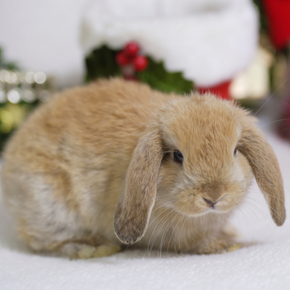
With the inevitable hustle & bustle that surrounds the run-up to Christmas, it’s important to carve out some time now to think about how your Christmas plans will impact your small pets. The vet nurses at our Glasgow practice have these top tips for bunny-proofing your home and keeping them happy and safe.
Rabbit health emergency? Contact us
How to ensure a happy and rabbit-safe Christmas
As humans, we recognise the change in seasons and the events that traditionally come with Christmas; we understand why the house looks like Santa’s grotto, why there’s an outdoor tree indoors, and why we’re always out, busy wrapping gifts, or entertaining guests with mulled wine…
Rabbits, however, do not recognise these changes, or understand why their regular routine has been disrupted. If you’re the proud keeper of rabbits in Lanarkshire, our vet nurses recommend you consider the below changes as things that need addressing for your bunnies:
- New decorations around the house
- Wires trailing for fairy lights and other plug-in decorations
- Christmas tree pine needles dropping on the floor
- More visitors in the home
- Change in daily routine with the change in weather and daylight
- Less interaction with you if you are busy
Let’s look at these in more detail.
Christmas decorations
For rabbits kept indoors, they will be used to their surroundings and how that looks. At Christmas we naturally change that environment and add decorations – these can not only cause some distress but can also introduce potential new things your rabbits may take an interest in and chew. This could lead to choking or other gut problems, so it is important to ensure any new decorations and the tree are placed well away from where they are able to reach. The same goes for trailing wires for fairy lights and other decorations – use cable tidies and try to keep wires off the floor and your rabbits away. Call us if you have a Christmas decoration-related rabbit emergency on 0141 643 0404.
Christmas visitors
Visitors are often more frequent in the winter months as we spend more time indoors. Pets can find it stressful having people coming in and out of the home. Plus, they may not like being handled more often or by strangers, as some visitors tend to make a beeline for pets. Our Glasgow nurses advise that you should make sure your rabbits have a secure and quiet place away from all the activity, so they can feel safe and calm.
Winter seasonal changes
Rabbits are a naturally sensitive species and whether you have indoor or outdoor rabbits these changes will be noticed and may impact how they are feeling. Many Lanarkshire rabbit owners may want to consider bringing outdoor rabbits indoors during the colder and wetter months. Whilst this seems like a sensible thing to do, rabbits are not used to the activity that goes on in the home. So, try to find the quietest place at home for your rabbits’ winter retreat.
Spotting stress in rabbits
Stress in pet rabbits can be very harmful to their health. If you make any changes in the home that will affect them, or to their routine, it is important to monitor them for these signs of stress:
- Changes in behaviour, in particular, aggression
- Running away
- Not eating very much
- Changes in grooming habits
- Changes in pooing habits
If you are concerned about your rabbits’ health and potential stresses, you can book an appointment with one of our Glasgow nursing team. They can discuss ways in which you can help to limit stress for your rabbits at home.
If your rabbit is stressed or you have an emergency, contact us right away on 0141 643 0404.

If you are the proud keeper of pet mice or rats, it is important to not overlook their housing and welfare needs during the winter. Even in Lanarkshire, the effects of harsh winter temperatures and weather can surprise us so it is wise to be prepared for what could happen.
Plus, we have all seen the effects of the COVID-19 pandemic on previous winters, so preparation now is key.
We are talking power cuts and frozen pipes, plus heat, food, and supply shortages.
The nursing team at Avenues Vets have put together a checklist to help you keep your pet mice or rats warm and safe during the cold winter months ahead.
Winter welfare tips for mice and rats
1. Move your pets indoors – place their hutch or cage in a warm and quiet part of your home. Your room will need good ventilation but no drafts to avoid health problems. Avoid rooms with open fires/fumes and bright lighting.
2. Keep the room temperature above 10 degrees Celsius – if it could drop below, use thermostat-controlled heating. Small mammals, especially very old/young pets, are more susceptible to bacterial and viral infections in cold weather, as well as hyperthermia. Central heating is ideal or if using any free-standing heat sources they should have an automatic shut-off if they get knocked over. Don’t place your pet’s housing too close to the heat source and keep an eye on the temperature gauge.
3. Avoid outdoor exercise & play – instead, make a safe space indoors for your pet to enjoy.
4. Add extra bedding materials – these will provide extra warmth and opportunities for your pet to burrow and snuggle into them. Be sure to research safe bedding choices for your species of pet.
5. Regularly check their water bowl/bottle to ensure it hasn’t frozen over – side note, if it has frozen, the room temperature is far too low to keep your pet mice or rats healthy.
6. Have a back-up plan – ask yourself these questions now and make a plan now:
- How will you keep your pets warm if you have a power cut?
- Do you have bottled water in case the pipes freeze?
- Do you have enough of your pet’s food if you can’t get any for a period of time?
- Do you have enough bedding and other supplies?
On the first point, wrapping a duvet around the sides of the cage can help, as can placing a hot water bottle next to the cage (outside) as long as you can boil water!
7. If your pet seems out of sorts contact a vet – monitor your pet and if they are displaying signs of ill health or behaviours out of the ordinary, it would be wise to consult with one of our vets.
If you are in any doubt about the correct temperature for your species of small furry pet, or you have any other questions, contact the team at Avenues Vets for advice.

Typically, rabbits and guinea pigs spend a lot of their life in outdoor hutches, which means fireworks can be extremely frightening for them. Fireworks are not really a seasonal ‘treat’ any more – as they are now on sale all year round – so Vet Nicola Armstrong advises that owners of small furry pets should make a plan as soon as possible to help them cope.
If the advice below doesn’t work for your pet, contact us and we can recommend alternative ways to keep your pet calm, such as the use of pheromone diffusers and sprays.
Get help for rabbits or guinea pigs
Nicola’s four-point firework plan
To help keep your rabbit or guinea pig happy and healthy, your plan should combine actions to get them through the noisy season and things that can be rolled out on the day when needed. Follow Nicola’s tick list below:
- Create a noise-dampening refuge: You can’t necessarily predict when there will be noise. Therefore, your small furry pet should always have a safe space that can insulate them from noise. Lots of fresh, clean bedding in a solid structure like a box is best.
- Move them indoors: At times of the year when you know the noise level will rise, (such as the period around bonfire night, Guy Fawkes, and New Year) bring pets inside to a quieter place in your home – perhaps even a garage or shed. It’s going to start getting colder this season in Lanarkshire, so an indoor space will help with this too.
- Mask the noise: If you have a house pet or you’ve brought your pet’s housing inside, you should shut windows, draw curtains, and drop blinds to keep the noise and light show outside. Also, consider turning up the TV or radio to mask the worst of the outside noise. Placing a blanket or duvet over an enclosure in a shed or garage will help keep out noise too – just make sure there is good ventilation still.
- Monitor stress: A change in eating/toileting habits, hiding most of the time, freezing/reluctance to move, appearing nervous/jumpy, sitting hunched, aggression, chewing their cage, intense grooming, or scratching that causes fur to fall out, are common signs of a stressed pet. If your small furry pet is stressed by noise, you should recognise the changes and take action.
What to do if your pet is stressed
If your pet guinea pig or rabbit stops eating or shows other signs of extreme stress, they need to see one of our Woodside Avenue Veterinary Surgeons as a matter of urgency. If you’ve been here before with your pet, maybe last firework season, follow the advice above and if you have any concerns call us on 0141 643 0404. Nicola and the rest of our team have plenty of species-specific advice and can recommend the most appropriate pheromone diffusers, sprays, and other products to help calm your pet.


