
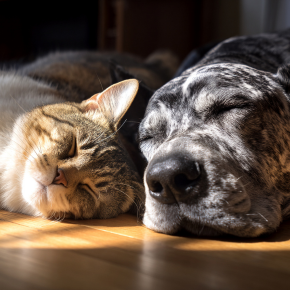
It’s common to hear, “they’re just slowing down because they’re getting older”. But while ageing in pets may bring natural changes – significant stiffness, weight gain and reduced activity are not simply inevitable. In many cases, they’re linked and manageable.
In the article below, our team at Avenues Vets have prepared a guide on mobility changes you can expect to see in your older pet as well as ways of keeping them mobile later in life. Book a senior pet assessment and our vets in Glasgow will examine their weight and provide a tailored management plan.
Keeping senior pets mobile and lean
As pets age, joint wear and tear can lead to osteoarthritis. At the same time, excess body fat doesn’t just add physical strain, it actively fuels inflammation. Fat tissue produces inflammatory chemicals (cytokines) that can worsen arthritis, increasing discomfort and reducing mobility. The result is a cycle: weight gain leads to joint pain, joint pain leads to inactivity, and inactivity leads to further weight gain.
The good news? Our vets advise that managing weight is one of the most effective ways to reduce arthritis pain and improve mobility in senior pets. A leaner pet is very often a more comfortable pet.
Life quality, not just life length
When we talk about senior care, we focus on life quality, not just life length. Maintaining a healthy Body Condition Score (BCS) is central to this. You should be able to feel your pet’s ribs with gentle pressure, see a defined waist from above and notice a slight abdominal tuck from the side. Even small amounts of excess weight can significantly increase strain on ageing joints.
Regular weight monitoring allows us to make small adjustments before problems escalate so make sure you book regular weight checks with our veterinary nurses in Glasgow.
Supporting comfortable movement
Our veterinary team at Avenues Vets explain that staying active is vital, and exercise should be adapted, not avoided. For dogs:
- Opt for shorter, more frequent walks rather than one long outing.
- Choose softer ground where possible.
- Gentle, controlled lead walks are often better than high-impact chasing games.
For cats:
- Encourage short play sessions using fishing-rod toys.
- Provide ramps or steps to favourite resting spots.
- Use low-entry litter trays for easy access.
For both:
- Add non-slip rugs on hard flooring.
- Ensure they can easily get in and out of bed without jumping
- Consider raised food and water bowls if recommended.
- Keep resting areas warm and well-padded.
Our vets in Glasgow explain that these small environmental tweaks can make a significant difference in confidence and comfort, helping senior pets remain active and happy companions well into their later years. Weight management, appropriate exercise and early arthritis support are powerful tools in preserving mobility and enjoyment of daily life.
If you’re unsure about your pet’s weight or mobility, we’re here to help. Book a senior pet weight assessment to review their Body Condition Score, discuss joint support options, and create a personalised plan to keep them lean, mobile and comfortable.
Looking for more advice on caring for an ageing pet? Be sure to check our other articles for tips from our team at Avenues Vets.
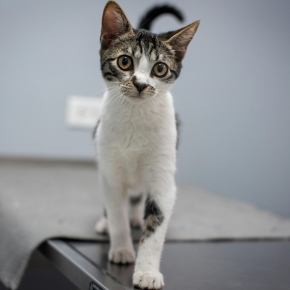
For some pets, a trip to our veterinary practice in Glasgow can feel overwhelming. New smells, unfamiliar sounds and travel in the car can all trigger anxiety. The good news is that vet visits don’t have to be stressful, and creating a calmer experience is something we work on together.
At Avenues Vets, we prioritise a low-stress environment. Wherever possible, we provide pet-specific seating areas to prevent sensory overload and minimise close contact with other animals. Below, our vets in Glasgow have also put together some tips for calming your pet before their visit. Have a read and don’t hesitate to contact us for more advice.
Ask us for tailored advice for nervous pets
Happy vet visits: how we work together
Our team at Avenues Vets are trained in gentle handling techniques and using positive reinforcement throughout the examination, allowing pets time to settle. We can also use calming pheromone diffusers, such as Feliway for cats and Adaptil for dogs, to help reduce anxiety in waiting and consulting areas.
Why does this matter? Because a relaxed pet isn’t just happier — they’re easier to examine thoroughly and accurately. Reduced stress means more reliable heart rates, better abdominal palpation and a more positive association with future visits. That leads to better preventative care from our vets and earlier detection of problems.
There’s plenty you can do at home to help too.
Pre-visit checklist
The ‘practice run’
Help your pet feel comfortable with their carrier, crate or car harness well before your appointment at Avenues Vets:
- Leave carriers out at home with cosy bedding, toys and even some treats inside.
- Reward your pet for calmly going in and out.
- Short, positive car journeys that don’t end at the vet can also reduce travel anxiety.
Touch training
In a relaxed setting, gently handle your pet’s paws, ears and mouth, rewarding calm behaviour with praise or treats. This helps desensitise them to the type of gentle handling they’ll experience during an examination by our vets in Glasgow.
The hunger factor
If appropriate, bring your pet’s favourite high value treats to your appointment. Special rewards they don’t usually get can help build positive associations with the clinic environment.
If your pet is particularly nervous, we can help further. We offer ‘happy visits’ – short, pressure-free trips to our Glasgow veterinary practice – where pets can explore, receive treats and leave without a medical procedure.
Ask us about tailored advice for nervous pets or book a pre-visit chat with one of our nurses to create a bespoke plan. Working together, we can make vet visits a calmer, more positive experience for everyone.
Contact us for tailored advice
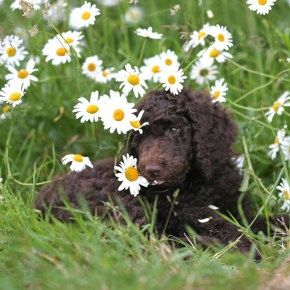
With the days growing longer and the weather finally turning, most pets are naturally eager to get back outside but before the fun really begins, it’s worth making sure your pet’s body is ready to keep up.
Read the article below, from our vet Nicola Armstrong, on how to help your pet enjoy the season comfortably, confidently and at their best. Then, book a wellness check with our vets at Avenues Vets.
Plus, download our spring pet tips for extra advice!
Get your pet fit for spring: why a wellness check matters
Over the winter months in Lanarkshire, many UK pets quietly put on a little extra weight or become stiffer, particularly during the cold, damp days of January and February. Older pets may move more slowly, while younger ones can mask small aches or niggles that only become obvious once activity levels increase. Nicola explains that left unchecked, these minor issues can turn into bigger problems and put a dampener on your spring plans.
A spring wellness check allows our vets in Glasgow to assess your pet’s overall health, focusing on areas that matter most as exercise increases. We’ll look at heart health, joint mobility and body condition, making sure your pet is comfortable, fit and ready for the season ahead.
Nicola shares how catching subtle changes early means our team can offer immediate support – whether that’s lifestyle advice, weight management or joint care – before discomfort sets in.
Preventative care is also an important part of spring preparation. As pets spend more time outdoors, the risk of parasites increases. A wellness check is the perfect opportunity to review worming, flea and tick protection, ensuring your pet is fully covered before parasites become more active. You can then continue to order your tick medication via our website.
Nicola advises that our veterinary team at Avenues Vets can also check that vaccinations are up to date, helping protect against preventable diseases as social interactions and outdoor exposure increase.
Think of a spring wellness check as a seasonal MOT for your pet – a chance to spot small issues early, support long-term health and give you peace of mind as you head into a more active time of year.
Book a spring wellness check today
Before you go, remember to download our spring pet tips for even more seasonal advice!
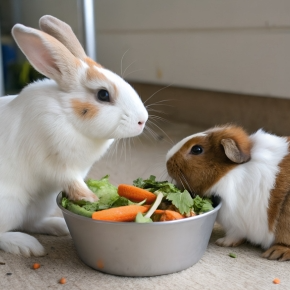
As adept masters of disguise, we don’t always know when our beloved small pets are suffering, so as a pet parent, it’s important that you recognise when they’re not their usual, lovable self.
One of the most common conditions targeting the small furry pet population is gut stasis, and our vets in Glasgow have gathered some tips to help owners understand this silent killer. Let’s dive in.
If some of the signs below seem familiar, get in touch immediately so we can help your rabbit or guinea pig bounce back to good health.
Contact us if you’re concerned
Gut Stasis in Rabbits and Guinea Pigs: What You Need to Know
What is gut stasis?
Our vets in Glasgow share that as you might suspect, gut stasis is as the name suggests—the slowing and stopping of food through the gastrointestinal tract, resulting in the inability to absorb nutrients and fluid, which can be fatal if left untreated.
What causes it?
As herbivores with very sensitive digestive systems, the main culprit behind gut stasis in rabbits and guinea pigs is diet—namely one that’s low in fibre or high in carbohydrates or sugar. But also keep a close eye on your small pet’s pain, stress and hydration levels as these can play a major role in the development of the condition, along with dental disease, liver or kidney problems, and overgrooming leading to gut blockages from fur.
What are the symptoms of gut stasis?
According to our team at Avenues Vets, common symptoms of gut stasis in rabbits and guinea pigs to look out for include:
- Decreased appetite, refusing treats, or reduced food intake
- Hunched posture
- Lethargy or weakness
- Teeth grinding
- Decreased or no faecal output
- Small, hard and dark faecal pellets
When does this become an emergency situation?
This is an emergency situation for both species if they stop eating for:
- Rabbits: 12 hours or less, but even 6-8 hours without eating is concerning. 12+ hours is definitely an emergency.
- Guinea pigs: 6-12 hours, but 4-6 hours can be a red flag. 12+ hours is critical.
Why is it so urgent?
The Avenues Vets’ team share that rabbits and guinea pigs have continuously moving digestive systems that require constant food intake.
When they stop eating:
- Gut motility slows or stops (GI stasis)
- Harmful bacteria can overgrow
- The gut can become impacted or blocked
- They can develop life-threatening complications quickly
- Their metabolism is so fast that they can deteriorate rapidly
What are the treatment options?
The first step of treatment should always be seeking veterinary care immediately, as gut stasis can be life-threatening. Our vets in Glasgow focus on pain relief, rehydration through fluid therapy, gut-stimulating medications and the correction of their diet.
How can gut stasis be prevented?
To reduce the risk of gut stasis, hay is key, as this promotes healthy bacterial growth and digestion. But that’s not all…
- Avoid stressful events or changes to their surroundings
- Encourage exercise to stimulate their digestive system
- Be careful of overfeeding them pellets or junk food
- Ensure they have constant access to clean, fresh water
- Groom them as often as possible
It’s also important to keep up with regular health checks for your rabbit or guinea pig, so book a health check-up with our vet practice in Glasgow so your small treasure can receive the biggest amount of care – that’s what we’re here for.
Contact us if you’re concerned
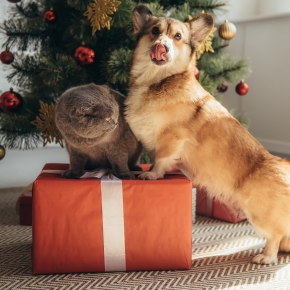
Real Christmas trees are beautiful, but are they the best option when you have pets? At this time of year, our vets in Glasgow often see cases where curious cats, dogs or rabbits have got a little too close to the tree, with unfortunate results.
If you do need urgent help, call our team at Avenues Vets on 0141 643 0404 straight away and we’ll arrange to see your pet as quickly as possible.
See our out of hours emegency vet service information
Which type of Christmas tree is best for pets?
Real Christmas trees
1. Pine needle problems
Pine needles may look harmless, but they’re sharp and non-digestible. If chewed or swallowed, they can cause irritation or even punctures to the mouth, throat, and stomach. Avenues Veterinary Centre’s team share that pets who eat pine needles may show signs such as drooling, vomiting or reluctance to eat. In severe cases, the needles can cause dangerous internal blockages that require emergency care.
Pine trees also contain natural oils (terpenes) that can upset your pet’s stomach or cause skin irritation. Cats are particularly sensitive to these oils and may develop drooling, weakness or tremors after exposure. If you’ve ever wondered “are pine needles toxic to cats and dogs?”, the answer is yes, they are.
2. Troublesome tree water
Our vets in Glasgow explain that Christmas tree water often contains sap and sometimes fertiliser that can cause tummy upsets if pets drink it.
Are plastic trees safe?
The short answer is, not really. If you have an artificial tree, remember they’re not risk-free either, as their plastic or tinsel-like needles can cause choking if chewed.
Call us on 0141 643 0404 straight away if you’re pet has ingested anything harmful.
Our verdict?
We don’t want to be bah-humbug, so our advice is always “think safety first!” Here are a few Christmas tree tips to reduce risk at home:
- Reduce pet access to the tree if you can.
- Failing that, sweep up fallen pine needles daily.
- Secure your tree to a wall if possible to prevent tipping.
- Avoid issues with tree water by securely covering the base of your tree.
- If buying a plastic tree, ensure there are no small detachable parts that could be chewed off and swallowed.
- Tie up loose cables.
- Always choose pet-safe decorations and avoid having tinsel or edible ornaments within reach of pets.
Taking a few simple precautions will maximise the chances of your pets staying healthy and your home festive. Our veterinary team at Avenues Vets love seeing your pets, but we’re sure an emergency admission on Christmas Eve isn’t on your wish list!
Call us for advice or pop into the practice if there’s anything you’re unsure about before the holidays.
Looking for more pet care news? Be sure to check our other seasonal articles for tips from our vets in Glasgow and things you need to know about winter pet care.

This month we’re focusing on heart health and the habits you can introduce to your rabbit’s daily life to help reduce the risk of illness. If your rabbit’s heart isn’t functioning as it should, it can impact their whole body. Below, our Vet Nicola Armstrong has created a heart health guide packed with tips to help you support your bunny’s heart.
If you spot changes in your rabbit’s breathing, energy, or behaviour then book a health check with our vets in Glasgow to help rule out heart or other health problems.
You can also learn more about the signs of heart disease in rabbits by downloading our Rabbit Heart Fact Sheet, and help us raise awareness amongst Lanarkshire rabbit owners by sharing our article on your socials.
Our rabbit heart health guide
Rabbits can suffer from several heart conditions, including cardiomyopathy, congestive heart failure and hypertension. It’s important to try and keep your rabbit’s weight in a healthy range as extra weight puts extra strain on the heart – here’s how.
1. Daily diet essentials
Our Vet Nicola Armstrong explains that a healthy heart starts with a healthy diet. While rabbits don’t need special “heart foods”, feeding them the right balance of rabbit friendly foods every day can help maintain a healthy weight, support circulation and reduce the risk of strain on their heart.
Unlimited hay
- Timothy, meadow, or orchard grass hay
- Main source of fibre for healthy digestion and weight control
Fresh leafy greens (about a teacup per kg of body weight)
- Romaine lettuce
- Spring greens
- Coriander (cilantro)
- Basil
- Dill
Herbs with antioxidant benefits
- Parsley (small amounts)
- Mint
Add in a few times a week
- Kale (small handful – high calcium)
- Spinach (small handful – high oxalate)
- Broccoli leaves or stems
- Carrot tops
- Beet greens (sparingly)
2. Occasional treats only
- Fruits: apple, strawberry, pear, banana (very small pieces)
- Root veg: carrot, parsnip (small slices)
3. Foods to avoid
- Commercial treats with cereals, seeds, or molasses
- Too much fruit or high-sugar veg
- Iceberg lettuce (low nutrition and harmful in large quantities due to presence of lactucarium)
4. Rabbit exercise and weight control
To prevent obesity, Nicola advises that it’s best to ensure your rabbit has plenty of space and opportunities to exercise. As naturally active mammals, physical activity will get their blood pumping and keep their heart healthy. You should also provide enrichment – use toys and play tunnels to stimulate your bunny’s brain.
5. A healthy living environment
Try to keep their living space as stress-free as possible to reduce the risk of hypertension. It’s also helps to reduce their exposure to air pollutants and avoid smoking around your rabbit.
6. Social interaction
Rabbits thrive on companionship. They are naturally social animals so a bonded companion will help promote their overall wellbeing. Call us on 0141 643 0404 to seek advice from our veterinary team at Avenues Vets on how to successfully pair rabbits. Looking out for any changes in rabbit’s health will help ensure they receive prompt treatment if they do become unwell.
If you notice changes in your rabbit’s breathing, energy, or behaviour, book a vet check-up at Avenues Vets to rule out heart or other health issues.
Before you go, download our Rabbit Heart Disease Symptoms Fact Sheet and help us raise awareness amongst Lanarkshire rabbit owners by sharing our article on your social media accounts.

As the days grow shorter and the nights colder, firework season is fast approaching. While we may look forward to the colourful displays, for many pets, fireworks around Lanarkshire can be a source of intense stress and anxiety. But the good news is that preparing now can help your furry friends feel more secure when the loud bangs start in late October and November.
In this article, our team at Avenues Vets share some essential steps to help your pets stay calm during firework season, whether they’re dogs, cats, rabbits, or guinea pigs. We’re also here to talk about calming aids if you feel they might be needed.
Contact us about ordering calming aids
Prep now for firework season: helping your pets stay calm
1. Create a safe space
One of the most important things you can do for your pet is provide them with a safe, quiet place to retreat to during firework displays in Lanarkshire.
- For dogs and cats: Choose a room that’s far from the noise. Close windows, pull down the blinds or draw the curtains, and consider playing calming music or white noise to mask the sounds of fireworks.
- For rabbits and guinea pigs: Set up their cage in a room that’s secluded from outside noise. Make sure it’s in a location where they feel secure but can still see their familiar surroundings.
2. Familiar Scents and Comfort Items
Our team at Avenues Vets advise that a familiar smell can help reassure your pet when they’re feeling frightened.
- For dogs: Keep their favourite blanket, toy or a piece of your clothing nearby to comfort them. You can also consider a pheromone diffuser (ask our team for advice), which mimics calming scents that dogs find soothing.
- For cats: Cats are scent-driven, so having their favourite blanket or bed with them in their safe space can help them feel more secure.
- For rabbits and guinea pigs: Include their usual bedding or hay and keep the cage in a familiar, quiet area. They can also benefit from a soft, cuddly hideout.
3. Consider Calming Products
Our vets in Glasgow suggest several types of calming products that can help ease anxiety.
- For dogs: You might want to try pheromone diffusers, anxiety wraps, calming chews, or sprays. Speak to our vets at Avenues Vets for recommendations on calming products or ask about anti-anxiety medication if your dog’s fear of fireworks is particularly severe.
- For cats: Again, pheromone diffusers or sprays can be very effective in calming cats. Some owners find calming collars work well too.
- For rabbits and guinea pigs: While these smaller pets typically don’t respond to calming sprays, keeping them in a dark, quiet place can help them feel safer.
Ask our team about the best pheromone diffusers and other calming products available for dogs and cats, and when they should ideally be started. Some pet calming products, such as diffusers, work best when started a few weeks before the events, so now is the ideal time to get advice and get them ordered.
4. Training and Desensitisation
The earlier you start, the better. Training your pet to be more comfortable with loud noises in Lanarkshire can take time, but it’s possible to desensitise them gradually.
- For dogs: Start by playing firework soundtracks at a very low volume and slowly increase the volume over time. Pair this with positive reinforcement (treats and praise) to help them associate the sounds with good things.
- For cats: You can use similar sound desensitisation techniques for cats. Try playing gentle noises, gradually introducing louder sounds as your cat becomes more comfortable.
- For rabbits and guinea pigs: They are more sensitive to loud noises, so it’s important to focus on keeping them in a calm, secure environment. You can get them used to soft background noise gradually, but always ensure they have a safe place to retreat.
5. Vet Consultation
If your pet experiences severe anxiety during firework season, it’s always a good idea to consult our vets at Avenues Vets as early as possible. They can offer tailored advice, recommend pet calming products and medications, or suggest more advanced behaviour therapies.
Remember, some calming aids can work best if they are started sooner, so don’t delay.
Order calming aids now or book for advice
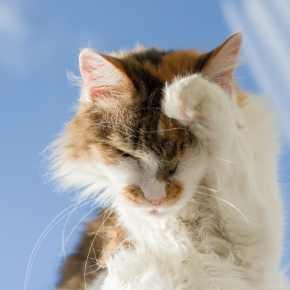
Scratching, nibbling, head shaking… sound familiar? Late August and September are peak times for itchy skin flare-ups in pets, and our team at Avenues Vets are expecting to see an influx of cases.
While many causes are mild, some will need treatment from our vets in Glasgow to stop them from becoming serious – or seriously uncomfortable. Book an appointment if you’re concerned for your pet.
So, why do some pets itch more in late summer?
Temperatures in Lanarkshire often have a surge during late August and September, creating the perfect conditions for skin irritation. Here’s why late summer heat can prove tricky:
- Fleas love the heat: Fleas and flea eggs thrive in warm, humid conditions and some dogs and cats are allergic to their bites.
- Grass seeds are lurking: These sharp little nuisances can work their way into the paws, ears and even eyes of pets, causing discomfort or infection.
- Pollen allergies peak: Just like us, pets can have seasonal allergies. Late summer weeds and grasses may be the culprits.
- More time outdoors: Trips to the park and woods around Lanarkshire, or at home in your garden, mean more contact with irritants and insects.
Signs your pet may be struggling
Our team at Avenues Vets advise that if you spot any of these signs, it’s worth booking a check-up:
- Constant scratching or licking
- Red, sore or flaky skin
- Bald patches or thinning fur
- Head shaking or ear scratching
- A bad smell from the coat or skin
How you can help your pet at home
There are a few things pet parents can do to stay ahead of late summer skin problems:
- Use regular, vet-approved flea treatments from Avenues Vets
- Check paws and ears after walks – especially in grassy areas
- Wipe down fur with a damp cloth after outdoor time to remove pollen
- Groom regularly to remove loose hair and keep the coat healthy
When to see the vet
Persistent itching or sore skin can lead to infections or ongoing discomfort, so it’s best not to wait. A check-up with our vets at Avenues Vets can help identify the cause – whether it’s fleas, allergies, grass seeds or something else – get an appointment booked and your pet feeling more comfortable fast.
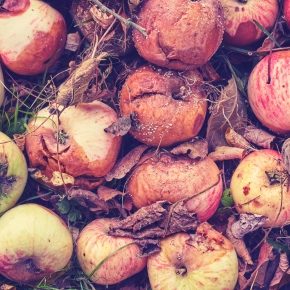
As apples start to drop and ferment around Lanarkshire in late summer and early autumn, your garden might smell sweet – but for pets it can be a sticky trap of sour tummies, stings and unexpected hazards.
Got apple trees or fruit on the ground near you? Keep reading to help your pet steer clear of seasonal trouble. If you’re concerned about a sting or a scavenged snack, don’t hesitate to reach out to Avenues Vets for more advice.
Why rotting apples are troublesome for pets
Fallen fruit may seem harmless, but once it starts to rot, it can pack a punch. The Avenues Vets’ Nicola Armstrong explains how as apples break down, they begin to ferment naturally and that’s where the problems start.
For dogs and cats: A quick bite of fermenting fruit might cause digestive upset, vomiting or diarrhoea. In larger amounts, it can even lead to alcohol poisoning, especially in smaller pets.
For rabbits and guinea pigs: Rotting apples are far too sugary and acidic for their sensitive systems. If your rabbit or guinea pigs’ hutch or outdoor run is near to fruit trees and can’t be moved, Nicola advises owners to regularly check for fallen fruit and immediately remove any to prevent accidental ingestion.
The wasp problem: drunk, stingy and unpredictable
As if the apples weren’t enough trouble, their sugary scent attracts wasps in large numbers. Once they start feeding on the fermenting fruit, the wasps can become a bit tipsy themselves. That means:
- They’re clumsier and slower, so easier for pets to catch
- They’re more aggressive, so more likely to sting when startled
- They hang around low to the ground, right at pet-sniffing level
Veterinary Surgeon Nicola warns that wasp stings in the mouth or throat can be dangerous and painful!
Signs your pet may have eaten something dodgy
Look out for these common symptoms:
- Vomiting or diarrhoea
- Weakness or wobbliness
- Excessive drooling
- Seeming ‘drunk’ or disoriented
- Pawing at the mouth or swelling after a sting
Don’t wait to see if it passes – call our vets in Glasgow on 0141 643 0404 for advice.
Easy ways to protect your pets
- Clear up fallen fruit daily – especially apples, plums and pears
- Keep outdoor runs and play areas away from fruit trees
- Supervise dogs on walks around Lanarkshire – many love a good forage!
- Block access to compost heaps – especially if they include food waste or fermenting fruit
- Know the signs of wasp stings – swelling, licking, or sudden discomfort
Worried about your pet?
Late summer and early autumn bring beautiful sights and smells around Lanarkshire, but they also bring some unexpected hazards. Keeping your garden clear of rotting fruit and your pet away from drunken wasps helps to avoid unplanned trips to the vet. Got a question for our team at Avenues Vets about something your pet has eaten or an insect sting?
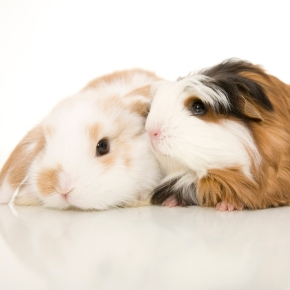
Rabbits and guinea pigs may be small, but they have big personalities – once you get to know them. The tricky part is, when they’re feeling poorly, they often keep it to themselves. As prey animals, it’s in their nature to hide signs of weakness, which means the early warning signs can be easy to miss.
Our vets in Glasgow have put together a checklist to refer to if you’re concerned about your pet. Regular preventative check-ups will help ease your worries so why not book an appointment today.
Why being observant matters
The sooner you spot a change in your pet’s behaviour or routine, the sooner they can get the help they need. The Avenues Vets’ team warn that a delay of even 24 hours can make a big difference with rabbits and guinea pigs. Here are a few subtle signs to watch out for:
Changes in appetite or eating habits
- Eating less, more slowly, or refusing certain foods
- Leaving favourite vegetables or not finishing hay
- Droppings becoming smaller, fewer, or misshapen
Behavioural changes
- Hiding more than usual
- Seeming withdrawn or less interactive
- Less curious or playful than normal
- Aggression or defensiveness (unusual for your pet)
Physical signs
- Sitting hunched up or looking uncomfortable
- Breathing changes (e.g. faster, louder, or laboured)
- A dirty bottom or changes in grooming habits
- Discharge from the eyes or nose
Know what’s normal for your pet
The Avenues Vets’ team explain that every rabbit or guinea pig is different, so daily interaction and observation is the best way to learn what’s normal. That way, you’ll be able to spot when something’s not quite right.
Routine grooming, handling and health checks with our vets in Glasgow can help you pick up on small problems before they become big ones.
Don’t wait and see
Because small pets can go downhill quickly, it’s always better to get them checked at Avenues Vets, sooner rather than later – especially if they’ve stopped eating or toileting normally.
Book an appointment with our vets in Glasgow if you’ve spotted anything unusual. We’re always happy to talk through your concerns, and help you keep your small pets happy and healthy.


