
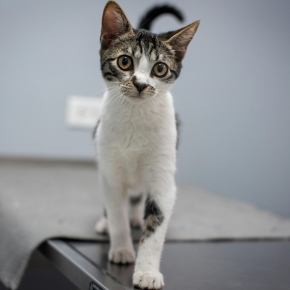
For some pets, a trip to our veterinary practice in Glasgow can feel overwhelming. New smells, unfamiliar sounds and travel in the car can all trigger anxiety. The good news is that vet visits don’t have to be stressful, and creating a calmer experience is something we work on together.
At Avenues Vets, we prioritise a low-stress environment. Wherever possible, we provide pet-specific seating areas to prevent sensory overload and minimise close contact with other animals. Below, our vets in Glasgow have also put together some tips for calming your pet before their visit. Have a read and don’t hesitate to contact us for more advice.
Ask us for tailored advice for nervous pets
Happy vet visits: how we work together
Our team at Avenues Vets are trained in gentle handling techniques and using positive reinforcement throughout the examination, allowing pets time to settle. We can also use calming pheromone diffusers, such as Feliway for cats and Adaptil for dogs, to help reduce anxiety in waiting and consulting areas.
Why does this matter? Because a relaxed pet isn’t just happier — they’re easier to examine thoroughly and accurately. Reduced stress means more reliable heart rates, better abdominal palpation and a more positive association with future visits. That leads to better preventative care from our vets and earlier detection of problems.
There’s plenty you can do at home to help too.
Pre-visit checklist
The ‘practice run’
Help your pet feel comfortable with their carrier, crate or car harness well before your appointment at Avenues Vets:
- Leave carriers out at home with cosy bedding, toys and even some treats inside.
- Reward your pet for calmly going in and out.
- Short, positive car journeys that don’t end at the vet can also reduce travel anxiety.
Touch training
In a relaxed setting, gently handle your pet’s paws, ears and mouth, rewarding calm behaviour with praise or treats. This helps desensitise them to the type of gentle handling they’ll experience during an examination by our vets in Glasgow.
The hunger factor
If appropriate, bring your pet’s favourite high value treats to your appointment. Special rewards they don’t usually get can help build positive associations with the clinic environment.
If your pet is particularly nervous, we can help further. We offer ‘happy visits’ – short, pressure-free trips to our Glasgow veterinary practice – where pets can explore, receive treats and leave without a medical procedure.
Ask us about tailored advice for nervous pets or book a pre-visit chat with one of our nurses to create a bespoke plan. Working together, we can make vet visits a calmer, more positive experience for everyone.
Contact us for tailored advice
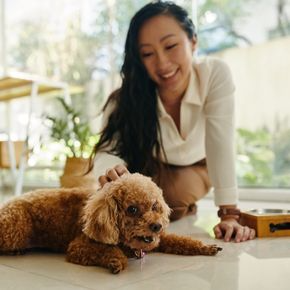
As the days start to get longer here in Lanarkshire, many of us are looking forward to the arrival of spring. However, the long winter months can often lead to less activity and a few extra “comfort” treats for our pets. Overfeeding and disrupted exercise schedules during the colder months can affect weight, energy levels, and overall wellbeing.
With spring just around the corner, now is a great opportunity to check in on your pet’s health and ensure they are ready for more active days ahead. In this article, Avenues Veterinary Centre’s nurses advise on how to refine your habits at home.
If you need extra help, contact us at our Glasgow vet practice and we’ll arrange to see your pet for a top-to-tail check.
Talk to us for tailored advice
Preparing your pet for an active Spring
Refine regular feeding
During the colder months, it’s easy to over-indulge our pets with extra treats. Returning to a consistent feeding schedule with measured portions helps support a healthy weight and digestive comfort as we head into a more active season. Our nursing team at Avenues Vets advise gradually adjusting portions rather than making abrupt changes, which can upset sensitive stomachs.
Get moving
Exercise is key for all pets, not just dogs. As the weather improves around Lanarkshire, increasing play sessions or gentle activity can help pets burn off those winter calories. Cats and small mammals benefit from interactive play or puzzle feeders. For dogs, start increasing the duration of your walks gradually to build up their stamina for the springtime.
Maintain daily routines
Our nurses at Avenues Vets explain how pets thrive on consistency. Reinstating firm routines—such as set walk times, feeding times, and bedtime habits—helps them feel secure and reduces stress as the season changes.
Check-ups and monitoring
Late February is the perfect time to review your pet’s overall health before the busy spring season begins. Check their body condition, look for changes in behaviour, and ensure any weight gain or dental issues are addressed promptly. Avenues Veterinary Centre’s veterinary team are happy to provide advice, support, and routine health checks to help your pet step into spring in the best shape possible. Call us for advice or pop into the practice—our vets in Glasgow love seeing your pets!
Talk to us for tailored advice
Looking for more pet care news? Explore our range of seasonal pet care articles with expert advice from our team on our news page.

‘Tis the season to be jolly… not stressed out due to a midnight dash to our emergency service in Glasgow!
Every year at Avenues Vets we see a spike in emergency vet visits over the holiday season as pets encounter dangers that can be prevented wth a few extra safeguards in place.
Keep our emergency details handy
Avoidable pet emergencies at Christmas – what owners need to know
It’s all too common…Christmas Eve and the dog’s eaten the chocolate yule log – time to call the emergency vet!
We want to help you avoid these dangers, so here are the three most common yet avoidable causes of emergency admissions that we see at Avenues Vets every year.
Accidental poisoning
Curious pets explore with their mouths. Sadly, many common festive items can be harmful. The Avenues Vets’ team advise that pet owners should keep harmful items out of reach:
- Human food & drink: Chocolate, grapes, raisins, onions, macadamia nuts, and alcohol (to name a few) are all toxic for pets.
- Medications: Keep all tablets and liquids locked away.
- Household chemicals: Wipe up spills of cleaning products or antifreeze straight away.
- Poisonous plants: Lilies, poinsettias, mistletoe and holly berries are festive but toxic.
Ingestion
At Christmas, it’s common to see pets who have swallowed things they shouldn’t. Decorations, ribbons, and tinsel can cause intestinal blockages, while dogs especially may chew and swallow toy parts or cooked bones. Our vets in Glasgow say it’s always important to be mindful of hazards, secure bins, and keep pets away from leftovers.
Table scraps & rich foods
Rich, fatty foods and festive leftovers are a recipe for tummy trouble.
- Cooked bones splinter easily and can puncture the gut.
- Foods high in sugar can lead to weight gain, dental problems and diabetes
- Fatty foods like gravy and roast trimmings may trigger pancreatitis.
A few simple precautions can mean a happier, safer holiday season for everyone—furry family members especially! Here’s our top advice:
- Keep tempting foods and hazards out of reach.
- Don’t leave pets unsupervised around christmas trees, gifts, and party food.
- Dispose of scraps safely.
- Offer pets their own safe festive treats instead!
Our team at Avenues Vets advise that if your pet shows signs of distress, vomiting, or weakness, or even if you suspect they have ingested something dangerous, contact our emergency vet service in Glasgow immediately.
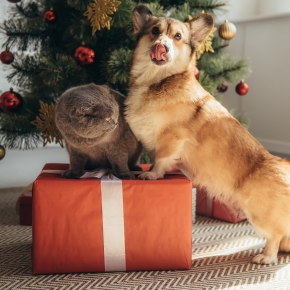
Real Christmas trees are beautiful, but are they the best option when you have pets? At this time of year, our vets in Glasgow often see cases where curious cats, dogs or rabbits have got a little too close to the tree, with unfortunate results.
If you do need urgent help, call our team at Avenues Vets on 0141 643 0404 straight away and we’ll arrange to see your pet as quickly as possible.
See our out of hours emegency vet service information
Which type of Christmas tree is best for pets?
Real Christmas trees
1. Pine needle problems
Pine needles may look harmless, but they’re sharp and non-digestible. If chewed or swallowed, they can cause irritation or even punctures to the mouth, throat, and stomach. Avenues Veterinary Centre’s team share that pets who eat pine needles may show signs such as drooling, vomiting or reluctance to eat. In severe cases, the needles can cause dangerous internal blockages that require emergency care.
Pine trees also contain natural oils (terpenes) that can upset your pet’s stomach or cause skin irritation. Cats are particularly sensitive to these oils and may develop drooling, weakness or tremors after exposure. If you’ve ever wondered “are pine needles toxic to cats and dogs?”, the answer is yes, they are.
2. Troublesome tree water
Our vets in Glasgow explain that Christmas tree water often contains sap and sometimes fertiliser that can cause tummy upsets if pets drink it.
Are plastic trees safe?
The short answer is, not really. If you have an artificial tree, remember they’re not risk-free either, as their plastic or tinsel-like needles can cause choking if chewed.
Call us on 0141 643 0404 straight away if you’re pet has ingested anything harmful.
Our verdict?
We don’t want to be bah-humbug, so our advice is always “think safety first!” Here are a few Christmas tree tips to reduce risk at home:
- Reduce pet access to the tree if you can.
- Failing that, sweep up fallen pine needles daily.
- Secure your tree to a wall if possible to prevent tipping.
- Avoid issues with tree water by securely covering the base of your tree.
- If buying a plastic tree, ensure there are no small detachable parts that could be chewed off and swallowed.
- Tie up loose cables.
- Always choose pet-safe decorations and avoid having tinsel or edible ornaments within reach of pets.
Taking a few simple precautions will maximise the chances of your pets staying healthy and your home festive. Our veterinary team at Avenues Vets love seeing your pets, but we’re sure an emergency admission on Christmas Eve isn’t on your wish list!
Call us for advice or pop into the practice if there’s anything you’re unsure about before the holidays.
Looking for more pet care news? Be sure to check our other seasonal articles for tips from our vets in Glasgow and things you need to know about winter pet care.

As pets get older, it’s natural for them to slow down, but that doesn’t mean they should stop moving altogether. Regular, gentle exercise around Lanarkshire can keep your senior pet’s joints supple, muscles strong, and heart healthy, while also helping to maintain a healthy weight.
Our team at Avenues Vets share easy ways to keep older pets active without overdoing it. Need some advice on putting a pep in your pet’s step? Book an appointment with our vets in Glasgow for a senior health check.
Why staying active matters for older pets
Exercise isn’t just for the young. For senior pets, gentle activity can:
- Support joint mobility and flexibility
- Maintain muscle mass for stability and balance
- Help control weight and reduce obesity risk
- Support heart health and circulation
- Provide mental stimulation and reduce boredom
These benefits can also help prevent or manage age-related conditions such as arthritis, heart disease, and diabetes.
Low-impact exercise ideas for senior dogs
- Short, frequent walks around Lanarkshire: Several 10–15 minute strolls can be easier on the joints than one long walk.
- Gentle games: Indoor fetch with a soft toy or slow-paced scent games keep the brain and body engaged.
- Swimming: A great joint-friendly exercise for dogs who enjoy the water (only in safe, warm conditions).
- Puzzle feeders: Encourage movement and problem-solving at mealtimes.
Keeping senior cats active
- Encourage climbing: Use low or ramp-accessed perches to make jumping easier.
- Interactive play: Wand toys, laser pointers, and rolling balls can get cats moving in short bursts.
- Food games: Scatter feeding or puzzle feeders encourage natural hunting behaviour.
Joint care tips
Older pets may need a little extra support to stay comfortable during and after exercise:
- Warm up with slow, gentle movement before activity
- Provide soft bedding and a warm resting spot
- Use ramps or steps to help them reach favourite spots
- Keep exercise surfaces non-slip to reduce the risk of falls
- At your next appointment ask our vets at Avenues Vets about supplements or medication to support joint health
Enjoy every stage together
Keeping your older pet active doesn’t have to mean strenuous exercise. It’s about gentle, regular movement and activities they enjoy. By staying in tune with their needs and abilities, you can help them stay healthy, happy and full of life for longer.
Regular vet checks are essential
Senior pets should have at least one full health check with our vets in Glasgow each year – ideally every six months – so any changes in mobility, weight or heart health can be spotted early. We can help you adapt their exercise plan as their needs change. Contact our friendly team to book your senior pet’s health check in Lanarkshire.

Winter car journeys require extra preparation when you’re travelling with furry passengers. Cold weather presents unique challenges that can affect your pet’s comfort and safety, making a few simple precautions essential for stress-free winter adventures.
Our vets at Avenues Vets have put together a list of pointers to check ahead of your trip. Before setting off on winter journeys, consider booking a check-up with our vets. A health assessment ensures your pet is fit for travel. Book an appointment with our vets in Glasgow to make sure your furry friend is ready for a safe and comfortable winter trip.
How to travel safely with pets in cold weather
Pre-journey preparation
- Start your car and allow it to warm up before bringing your pet outside. Our vets at Avenues Vets explain that cold interiors can shock sensitive pets, particularly elderly animals or those with thin coats.
- Check that heating vents aren’t blowing directly onto your pet’s carrier or usual spot, whilst warmth is welcome, direct hot air can cause overheating or dehydration.
- Pack extra blankets for longer journeys around Lanarkshire or further afield. Even with heating, some pets feel chilly during travel and familiar bedding provides comfort alongside warmth.
Safe restraint in winter conditions
Proper restraint becomes even more critical during winter driving. Icy roads increase the likelihood of sudden stops or skids, making unrestrained pets dangerous projectiles.
- Use appropriate harnesses, carriers, or car barriers depending on your pet’s size.
- Never transport pets in the boot during cold weather – temperatures can drop dangerously low and heating rarely reaches these areas effectively.
Temperature management
- Monitor your pet for signs of overheating once the car warms up. Our vets at Avenues Vets warn that panting, restlessness, or drooling suggest they’re too warm.
- Crack windows slightly for fresh air, but be mindful of creating draughts.
- Conversely, watch for shivering or lethargy that might indicate they’re still too cold. Adjust heating or add blankets accordingly.
- If using a dog coat, it’s wise to put this on your dog when you reach your destination to avoid overheating during the journey.
Journey planning considerations
- Check weather forecasts and road conditions before departing.
- Winter storms can extend journey times significantly, so pack extra water and any necessary medications.
- Plan for regular breaks – pets need toilet stops regardless of weather but keep these brief during harsh conditions.
- Keep emergency supplies in your boot: extra blankets, water, food, and basic first aid supplies. If you become stranded, these items could prove invaluable.
Arrival protocols
- Allow your pet time to adjust when reaching your destination. Moving from a warm car into cold outdoor air can be jarring.
- If staying overnight somewhere new, bring familiar bedding to help them settle comfortably.
- Our vets at Avenues Vets remind you to never leave pets unattended in cars during winter. Even with heating off, vehicles can become dangerously cold quickly, and condensation can create uncomfortable dampness.
Special considerations
Short-haired breeds, senior pets and small animals are particularly vulnerable to cold. Consider protective clothing for brief outdoor stops and keep journeys as short as possible during severe weather. Remember that paws can suffer from road salt exposure so wipe them clean after any outdoor breaks to prevent irritation or ingestion when grooming.
With thoughtful preparation, winter car travel with pets can remain safe and enjoyable for everyone involved.
If you’re planning a long trip, a quick vet visit beforehand can make all the difference to your pet’s comfort and safety. Book an appointment with our vets in Glasgow to get peace of mind before you leave.

As the days grow shorter and the nights colder, firework season is fast approaching. While we may look forward to the colourful displays, for many pets, fireworks around Lanarkshire can be a source of intense stress and anxiety. But the good news is that preparing now can help your furry friends feel more secure when the loud bangs start in late October and November.
In this article, our team at Avenues Vets share some essential steps to help your pets stay calm during firework season, whether they’re dogs, cats, rabbits, or guinea pigs. We’re also here to talk about calming aids if you feel they might be needed.
Contact us about ordering calming aids
Prep now for firework season: helping your pets stay calm
1. Create a safe space
One of the most important things you can do for your pet is provide them with a safe, quiet place to retreat to during firework displays in Lanarkshire.
- For dogs and cats: Choose a room that’s far from the noise. Close windows, pull down the blinds or draw the curtains, and consider playing calming music or white noise to mask the sounds of fireworks.
- For rabbits and guinea pigs: Set up their cage in a room that’s secluded from outside noise. Make sure it’s in a location where they feel secure but can still see their familiar surroundings.
2. Familiar Scents and Comfort Items
Our team at Avenues Vets advise that a familiar smell can help reassure your pet when they’re feeling frightened.
- For dogs: Keep their favourite blanket, toy or a piece of your clothing nearby to comfort them. You can also consider a pheromone diffuser (ask our team for advice), which mimics calming scents that dogs find soothing.
- For cats: Cats are scent-driven, so having their favourite blanket or bed with them in their safe space can help them feel more secure.
- For rabbits and guinea pigs: Include their usual bedding or hay and keep the cage in a familiar, quiet area. They can also benefit from a soft, cuddly hideout.
3. Consider Calming Products
Our vets in Glasgow suggest several types of calming products that can help ease anxiety.
- For dogs: You might want to try pheromone diffusers, anxiety wraps, calming chews, or sprays. Speak to our vets at Avenues Vets for recommendations on calming products or ask about anti-anxiety medication if your dog’s fear of fireworks is particularly severe.
- For cats: Again, pheromone diffusers or sprays can be very effective in calming cats. Some owners find calming collars work well too.
- For rabbits and guinea pigs: While these smaller pets typically don’t respond to calming sprays, keeping them in a dark, quiet place can help them feel safer.
Ask our team about the best pheromone diffusers and other calming products available for dogs and cats, and when they should ideally be started. Some pet calming products, such as diffusers, work best when started a few weeks before the events, so now is the ideal time to get advice and get them ordered.
4. Training and Desensitisation
The earlier you start, the better. Training your pet to be more comfortable with loud noises in Lanarkshire can take time, but it’s possible to desensitise them gradually.
- For dogs: Start by playing firework soundtracks at a very low volume and slowly increase the volume over time. Pair this with positive reinforcement (treats and praise) to help them associate the sounds with good things.
- For cats: You can use similar sound desensitisation techniques for cats. Try playing gentle noises, gradually introducing louder sounds as your cat becomes more comfortable.
- For rabbits and guinea pigs: They are more sensitive to loud noises, so it’s important to focus on keeping them in a calm, secure environment. You can get them used to soft background noise gradually, but always ensure they have a safe place to retreat.
5. Vet Consultation
If your pet experiences severe anxiety during firework season, it’s always a good idea to consult our vets at Avenues Vets as early as possible. They can offer tailored advice, recommend pet calming products and medications, or suggest more advanced behaviour therapies.
Remember, some calming aids can work best if they are started sooner, so don’t delay.
Order calming aids now or book for advice
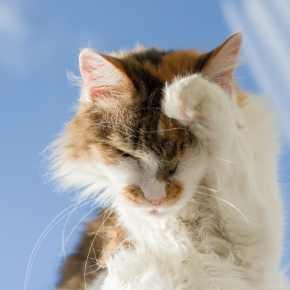
Scratching, nibbling, head shaking… sound familiar? Late August and September are peak times for itchy skin flare-ups in pets, and our team at Avenues Vets are expecting to see an influx of cases.
While many causes are mild, some will need treatment from our vets in Glasgow to stop them from becoming serious – or seriously uncomfortable. Book an appointment if you’re concerned for your pet.
So, why do some pets itch more in late summer?
Temperatures in Lanarkshire often have a surge during late August and September, creating the perfect conditions for skin irritation. Here’s why late summer heat can prove tricky:
- Fleas love the heat: Fleas and flea eggs thrive in warm, humid conditions and some dogs and cats are allergic to their bites.
- Grass seeds are lurking: These sharp little nuisances can work their way into the paws, ears and even eyes of pets, causing discomfort or infection.
- Pollen allergies peak: Just like us, pets can have seasonal allergies. Late summer weeds and grasses may be the culprits.
- More time outdoors: Trips to the park and woods around Lanarkshire, or at home in your garden, mean more contact with irritants and insects.
Signs your pet may be struggling
Our team at Avenues Vets advise that if you spot any of these signs, it’s worth booking a check-up:
- Constant scratching or licking
- Red, sore or flaky skin
- Bald patches or thinning fur
- Head shaking or ear scratching
- A bad smell from the coat or skin
How you can help your pet at home
There are a few things pet parents can do to stay ahead of late summer skin problems:
- Use regular, vet-approved flea treatments from Avenues Vets
- Check paws and ears after walks – especially in grassy areas
- Wipe down fur with a damp cloth after outdoor time to remove pollen
- Groom regularly to remove loose hair and keep the coat healthy
When to see the vet
Persistent itching or sore skin can lead to infections or ongoing discomfort, so it’s best not to wait. A check-up with our vets at Avenues Vets can help identify the cause – whether it’s fleas, allergies, grass seeds or something else – get an appointment booked and your pet feeling more comfortable fast.

As apples start to drop and ferment around Lanarkshire in late summer and early autumn, your garden might smell sweet – but for pets it can be a sticky trap of sour tummies, stings and unexpected hazards.
Got apple trees or fruit on the ground near you? Keep reading to help your pet steer clear of seasonal trouble. If you’re concerned about a sting or a scavenged snack, don’t hesitate to reach out to Avenues Vets for more advice.
Why rotting apples are troublesome for pets
Fallen fruit may seem harmless, but once it starts to rot, it can pack a punch. The Avenues Vets’ Nicola Armstrong explains how as apples break down, they begin to ferment naturally and that’s where the problems start.
For dogs and cats: A quick bite of fermenting fruit might cause digestive upset, vomiting or diarrhoea. In larger amounts, it can even lead to alcohol poisoning, especially in smaller pets.
For rabbits and guinea pigs: Rotting apples are far too sugary and acidic for their sensitive systems. If your rabbit or guinea pigs’ hutch or outdoor run is near to fruit trees and can’t be moved, Nicola advises owners to regularly check for fallen fruit and immediately remove any to prevent accidental ingestion.
The wasp problem: drunk, stingy and unpredictable
As if the apples weren’t enough trouble, their sugary scent attracts wasps in large numbers. Once they start feeding on the fermenting fruit, the wasps can become a bit tipsy themselves. That means:
- They’re clumsier and slower, so easier for pets to catch
- They’re more aggressive, so more likely to sting when startled
- They hang around low to the ground, right at pet-sniffing level
Veterinary Surgeon Nicola warns that wasp stings in the mouth or throat can be dangerous and painful!
Signs your pet may have eaten something dodgy
Look out for these common symptoms:
- Vomiting or diarrhoea
- Weakness or wobbliness
- Excessive drooling
- Seeming ‘drunk’ or disoriented
- Pawing at the mouth or swelling after a sting
Don’t wait to see if it passes – call our vets in Glasgow on 0141 643 0404 for advice.
Easy ways to protect your pets
- Clear up fallen fruit daily – especially apples, plums and pears
- Keep outdoor runs and play areas away from fruit trees
- Supervise dogs on walks around Lanarkshire – many love a good forage!
- Block access to compost heaps – especially if they include food waste or fermenting fruit
- Know the signs of wasp stings – swelling, licking, or sudden discomfort
Worried about your pet?
Late summer and early autumn bring beautiful sights and smells around Lanarkshire, but they also bring some unexpected hazards. Keeping your garden clear of rotting fruit and your pet away from drunken wasps helps to avoid unplanned trips to the vet. Got a question for our team at Avenues Vets about something your pet has eaten or an insect sting?
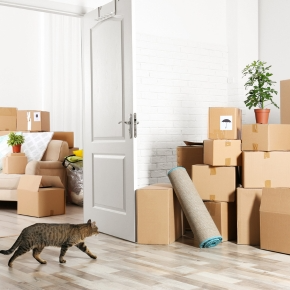
Moving house can be exciting – but it’s also a big upheaval, especially for your pets. With August being the UK’s busiest month for house moves, now is a good time to think ahead and make the transition as smooth as possible for your faithful friends.
Our vets in Glasgow have shared tips to help you prepare below, but don’t hesitate to call us for more tailored support. They can also talk to you about whether using a calming pet plug-in at least a month before your big move could help your pet keep calm.
The Avenues Vets’ 5 top tips for calm pets during house moves
1. Keep routines consistent
The Avenues Vets’ vets reveal that pets feel safest when their day-to-day routine stays the same. In the lead-up to your move, try to feed them, walk them, and settle them for the night at the usual times. Even if boxes are piling up around them, this predictability helps reduce anxiety.
Play sessions are important for reducing anxiety and keeping things normal too; our team encourage you to throw a ball or dangle a feather teaser toy in between the maze of boxes!
2. Prepare a safe travel plan
Whether your pet is travelling in a carrier, crate or car seat harness, our vets in Glasgow advise that it’s important make sure they’re comfortable and secure. Dogs and cats may benefit from short trial runs before moving day, especially if they don’t travel often. For smaller pets like rabbits or guinea pigs, make sure carriers are well-ventilated and shaded from heat.
3. Set up a quiet space on arrival
Unpacking can be chaotic. Our vets at Avenues Vets suggest creating a calm, enclosed area for your pet with familiar blankets, toys, and their usual food and water bowls. For cats, it’s usually best to keep them indoors for at least two weeks while they adjust to their new surroundings.
4. Let them explore gradually
Allow your pet to explore the new space at their own pace. Start with one room and slowly open up access as they grow in confidence. Cats, in particular, will appreciate this steady approach – rushing can cause stress or lead them to try to escape.
5. Don’t forget registration and microchips
Once you’re settled, remember to update your pet’s microchip details with your new address. You’ll also want to register with your new local vet or update your details if you’re staying with Avenues Vets.
Need help preparing for the move? Get in touch with our experienced vets in Glasgow if you’d like advice tailored to your pet’s needs – and ask about calming products for dogs and cats if your think your pet will be particularly anxious.


