
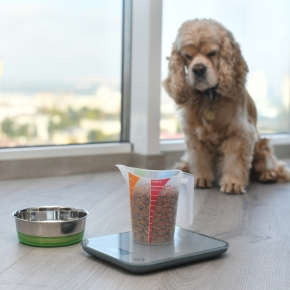
Keeping an eye on your pet’s weight is about safeguarding their overall health and happiness. When pets are overweight or underweight, they can suffer from a range of preventable health problems.
In this article from our nursing team at Avenues Vets, we’ll explore why weight management is so important for different types of pets and how nutrition plays a key role in keeping them healthy. Contact us to book a nutrition and weight review appointment with our experienced nursing team.
Why being over or underweight is a big issue
Dogs
According to our nursing team in Glasgow, excess weight in dogs can lead to serious health conditions such as arthritis, diabetes, and heart disease. It can also reduce their quality of life, making them less mobile and in some cases, suffer from skin-fold infections.
On the flip side, underweight dogs may struggle with low energy and weaker immune systems. Feeding a balanced diet tailored to their size, breed, and activity level is essential. Regular exercise, like daily dog walks in Lanarkshire or play sessions, works hand-in-hand with good nutrition to keep them at a healthy weight.
Cats
For cats, being overweight increases the risk of diabetes and liver disease, while underweight cats may face muscle loss and poor coat condition. The Avenues Vets’ nursing team recommend feeding portion-controlled meals that suit their age and activity level to help maintain a healthy weight. Active playtime and the right mix of wet and dry foods also support their overall health – contact us to book a nutrition and weight review with one of our nurses.
Rabbits and guinea pigs
Weight management in rabbits and guinea pigs is a delicate balance. Overweight small pets are more prone to joint problems and overgrown teeth, as excess fat can make grooming and chewing challenging. Underweight animals may struggle to regulate their body temperature and become frail. A diet rich in hay, fresh vegetables, and a small amount of high-quality pellets is ideal. Fresh water and good feeding habits ensure these small pets stay healthy.
Small furries
Hamsters, gerbils, and other small pet mammals can also face issues if their weight isn’t properly managed. According to The Avenues Vets’ nurses, overweight small furries may become less active, while being underweight could be a sign of underlying health issues. Offering appropriate foods, encouraging natural foraging behaviour, and providing exercise opportunities like wheels or tunnels can keep them in top form.
Why nutrition matters
A proper diet is the foundation of good health for every pet. It affects their weight, energy levels, and dental health. Overweight pets often consume high-calorie treats or unsuitable foods, which can lead to further health issues. Underweight pets may not be receiving the nutrients they need for healthy growth, strong teeth, and overall wellbeing.
If you’re unsure about your pet’s nutritional needs or would like tailored advice, contact us to book a weight and nutrition appointment with our vet nurses in Glasgow today.

The Avenues Vets’ Nicola Armstrong is highlighting fire dangers to pet owners in Lanarkshire, after a variety of new gadgets will have entered homes over the holiday season.
Pets are naturally curious creatures, and their inquisitiveness can sometimes lead to dangerous situations, particularly when it comes to electrical items and lithium-ion batteries. Found in everyday devices that you may have bought or received recently, like mobile phones, power banks, laptops, and vapes, these batteries can become a significant fire hazard if damaged.
Call 999 for the Emergency Services
If you’re registered with Avenues Vets, call us for Emergency Pet Care in Glasgow on 0141 643 0404.
For an out of hours emergency vet in Glasgow,
See our emergency care information
Why lithium batteries pose a danger
Lithium-ion batteries power many household gadgets due to their compact size and high energy output. However, if punctured or damaged, they can release toxic gas and trigger a process called thermal runaway. This reaction causes the battery cells to overheat and collapse in a domino effect, leading to intense fires that can spread rapidly.
Do you know what type of batteries are in your new gadgets?
Be prepared with The Avenues Vets’ Fire Evacuation Plan – download now.
Potential risks for pets
Vet Nicola Armstrong explains that dogs and cats explore their surroundings with their mouths and paws. A pet might mistake a battery-powered device left on a sofa or table, such as a mobile phone or vape, for a chew toy. If bitten or punctured, the battery could release a harmful gas and spark a fire, putting the whole family and homes at serious risk.
Pets can also accidentally cause fires in other ways. For example, dogs have been known to turn on electric hobs, and cats can knock over electronic devices, blocking ventilation and causing overheating.
Steps to minimise risks
To help you protect your human and pet family, the team at Avenues Vets have put together a list of actions you can take. Plus,
Download our Fire Evacuation Plan
1. Secure devices
- Nicola advises you to first understand which gadgets in your home have lithium-ion batteries in them, such as laptops, power banks, and vapes.
- Keep gadgets out of reach – store them in secure drawers or high shelves when not in use.
- Avoid leaving items with batteries on sofas, tables, or other areas accessible to pets.
2. Unplug and turn off appliances
- Turn off appliances like electric hobs and portable heaters at the mains when leaving your home in Lanarkshire.
- Avoid running washing machines or dishwashers unattended, as curious pets might interfere with these devices.
3. Inspect cables and chargers
- Check regularly for frayed wires or damaged plugs, as these can pose both fire and electrical risks to pets.
- Secure loose cables to prevent chewing.
4. Store batteries safely
- Keep spare lithium batteries in secure cases or containers.
- Avoid exposing batteries to extreme temperatures, which can increase the risk of malfunction.
5. Create a pet-safe environment
- Provide appropriate chew toys to deter pets from nibbling on dangerous objects.
- Nicola says it is also wise to set up cosy spots away from warm electronics like laptops or gaming consoles.
For more advice on how to keep your pet safely entertained, contact our vet practice in Glasgow on 0141 643 0404.
Why prevention matters
Fires caused by damaged lithium-ion batteries can spread faster than traditional fires, leaving little time to react. Nicola stresses the importance of creating a safe environment for both people and pets, as proactive measures can help prevent disasters and protect lives. A few simple adjustments can make your home a safer place for everyone. Having an effective evacuation plan for the whole family is a wise move too.
See our emergency care information

Starting the year with a focus on your pet’s health is a fantastic way to ensure they’re happy, comfortable, and active all year long. At Avenues Vets, we’re here to support pet owners in Lanarkshire with everything from check-ups to tailored nutritional advice, helping to start the year right. Below are some of the key steps for effective pet health planning.
Book your pet’s next appointment
Scheduling annual health checks
One of the best ways to ensure your pet’s ongoing health is to schedule an annual wellness exam with one of our highly experienced vets. A health check allows us to assess your pet’s overall condition, check for any underlying issues, and keep vaccinations up to date. Regular visits help identify potential health concerns early, making it easier to manage and prevent issues over time.
Make sure to book a wellness appointment at Avenues Vets to give your pet a great start to the new year.
Nutrition and weight management
Nutrition plays a big role in your pet’s health, and the new year is a great time to check their diet. Obesity in pets is common and can lead to problems such as joint issues and diabetes.
Nutritional appointments with The Avenues Vets’ nursing team
At Avenues Vets, our nursing team are here to provide tailored nutritional advice suited to your pet’s age, breed, and lifestyle. During a nutrition appointment, we’ll discuss meal portions, feeding habits, and any specific dietary needs. If your pet has weight concerns, we can help create a diet plan that supports their health throughout the year. A quick nutrition review could make a big difference in their quality of life – contact us to book this.
Additional health considerations
Our vets in Glasgow advise that these are a few more health checks to consider when planning for the year ahead:
- Dental Checks: Dental health is essential for your pet’s overall wellbeing. Our vets can check your pet’s dental health at their next wellness check-up. Then, regular dental checks and oral care can help prevent plaque build-up and other oral health issues.
- Parasite Prevention: Ensure your pet is up-to-date on parasite control for fleas, ticks, and worms. Book an appointment for a parasite prevention review.
- Mobility Assessments: As pets age, joint health can become a concern. Discuss any mobility issues with our team, particularly if you have an older pet.
Book an appointment to start your pet’s health plan
Getting organised with your pet’s health in January is a great way to support their wellness all year round. Our team at Avenues Vets are here to help you develop a personalised health plan that’s just right for your pet. From routine check-ups to tailored diet plans, we’ve got you covered.
Book your pet’s next appointment now
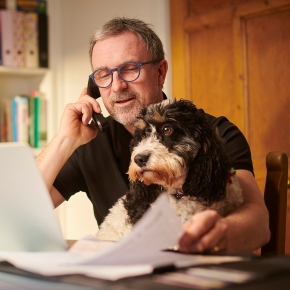
Following the recent rise in heating bills this autumn, keeping you and your pets cosy as the temperatures drop has become more challenging. To help pet owners in Lanarkshire, our team at Avenues Vets have come up with some affordable and creative ways to stay cosy without cranking up the heating. Below are our top tips for keeping your whole family comfortable this winter.
To help your money go further, sign up to our Avenues Health Plan and benefit from savings on your pet’s routine care, if you haven’t already.
Affordable ways to keep warm
1. Layer up – for both you and your pets
Layering isn’t just for humans! The Avenues Vets’ team recommend jumpers or coats for short-haired or older pets but be sure to supervise them, so they don’t overheat or get tangled. For pets who dislike clothes, or when you’re not home, an insulated bed with blankets works wonders. Thermal clothing and socks for yourself can also reduce the need for extra heating.
2. Create a cosy space
Set up a warm corner for your pets, away from draughty areas. Add extra blankets or a thermal pet mat to reflect their body heat. If your pet loves to burrow, consider a covered pet bed or a self-warming blanket to keep them snug. For smaller pets, our veterinary nurses in Glasgow recommend adding extra bedding material.
3. Use natural warmth
Open curtains on sunny days in Lanarkshire to let natural heat in and move your pet’s bed to a sunlit spot. At night, close the curtains to retain the warmth. This simple step can significantly reduce the need for additional heating.
4. Pet-safe heating options
If using alternative heat sources, choose pet-safe options like electric blankets or heating pads designed for animals. For small pets, consider pet-safe heat lamps or microwavable heat pads – but always ensure proper safety measures are in place. If wrapping the sides of your pet’s cage or hutch in a duvet, ensure they have adequate ventilation.
5. Minimise draughts
The Avenues Vets’ team suggest keeping your home insulated by sealing draughty windows and doors using these methods:
- Install weatherstripping around door and window frames.
- Apply self-adhesive foam tape to fill gaps in windows.
- Use thermal curtains to block drafts and retain heat – look for a bargain set in charity shops and car boot sales in Lanarkshire, or on Facebook marketplace.
- Seal cracks with caulking or silicone sealant.
- Add door sweeps to the bottom of exterior doors.
- Use draught excluders along the bottom of doors – rolled-up towels can work too.
Plus, keeping unused rooms closed off will trap heat in smaller spaces, and putting another layer under pet beds or cages on the floor (a foam mat, reflective thermal pads, carpet remnants, a rug, or fleece blankets) will help to keep the cold away too.
6. Stay active indoors
Our team at Avenues Vets also suggest encouraging indoor playtime to keep your pets active and generate warmth. Interactive toys, puzzle feeders, or a game of fetch can raise their body temperature and keep them engaged, especially when outdoor exercise isn’t an option.
Signs your pet is too cold
Some of the following signs can also be attributed to other health issues so please call us on 0141 643 0404 if you are concerned:
- Shivering or trembling
- Curling up tightly, hiding, or seeking warmth
- Cold ears, paws, or tail
- Lethargy or reluctance to move
- Whining, anxious behaviour, or restlessness
With The Avenues Vets’ tips, you and your pets can stay comfortable without relying too much on extra heating. If you’re worried about your pet’s health during the colder months or need more advice on keeping them warm, don’t hesitate to reach out to our vet practice in Glasgow.
And remember, you could be making your money stretch further this winter by signing up to our Avenues Health Plan – find out more and sign up.


