

What do dog fleas look like? Could my dog have worms? Why are ticks so dangerous? These are just some of the questions we get asked by Lanarkshire dog owners at our Glasgow vet practice.
In this article, our Head Vet Nicola Armstrong invites all dog owners to take a closer look at common dog parasites as we head into spring. Nicola shares what you need to know about dog fleas, worms, and ticks below, and you can download our handy infographic highlighting the common signs to look out for here:
Get our Spotting Pesky Parasites guide
Dog fleas
As well as making your dog feel itchy, sore, and uncomfortable, fleas pose a serious health risk. They lay flea eggs on dogs and in your home, multiplying rapidly. A flea infestation can lead to anaemia (due to the volume of blood they consume), which can be fatal especially in puppies or unwell dogs.
Nicola advises owners that fleas do not spend all their time on pets. Fleas can also survive in cracks and crevices, on furniture, and in carpets for up to a year. If your dog gets fleas you will need to treat them, your home, and other pets – never share flea treatments between pet species.
How do dogs get fleas?
Fleas are common in the environment and can be easily picked up in the garden, on walks, and from other pets carrying them. The only way to avoid your dog getting fleas is to treat them (and cats if you have them) regularly throughout the year with vet-recommended preventative flea treatments. One-off treatments might remove existing fleas but won’t protect your pets going forward, neither will many over-the-counter products.
What do dog fleas look like?
Dog fleas are small, black/brown in colour, and swell after feasting on blood. You can sometimes spot them crawling or jumping on your dog, or you. To help you spot other tell-tale signs of fleas, get Nicola’s dog parasite guide here.
Dog worms
To give your dog ongoing protection throughout their life, they will need a vet-recommended worming treatment every 1-6 months, depending on your Vet’s guidance. Some worms can have devastating consequences for your dog, and some can be passed to humans, so Nicola stresses the importance of preventative worm treatments.
- Roundworms: higher risk to younger dogs – can be passed to humans
- Tapeworms: exposure risk higher in dogs who scavenge for food and those with fleas – children at risk of contracting from infected faeces
- Hookworm & whipworm: like tapeworms, these are common intestinal worms that can cause health complications
- Lungworm: often fatal, picked up from the slime of infected slugs and snails – increased risk if dog toys and food/water bowls are left out overnight
- Heartworm: dogs travelling abroad can be at risk
To help you spot the tell-tale signs of dog worms, download our parasite guide here.
Ticks
Ticks mostly live in woodland, long grasses, and fields where livestock or deer graze. Although most prevalent in spring and summer, they can be problematic throughout the year in some areas.
Ticks are usually small, oval, and flat in appearance, about the size of a sesame seed. They can swell to the size of a coffee bean after a feast of blood. Nicola advises dog owners to check for small lumps on their dog’s skin (and their own) after walks.
Why are ticks so dangerous?
Ticks latch on by inserting their mouthparts into the skin to suck blood. A tick bite can cause irritation, anaemia, and temporary paralysis in rare cases. Ticks can also spread Lyme disease, which affects humans too and can lead to a serious, debilitating chronic illness with complications for life.
How do you remove a tick safely?
It is important to use a special tick removal tool in a twist and pull motion instead of pulling a tick straight out, which could leave the head in and increase the risk of disease transmission. Ask our team about tick removal tools.
With pets being outside more in spring they are more at risk of picking up parasites. To help you spot the signs of tick bites in dogs as well as worms and fleas, check out Nicola’s handy dog parasite guide:
If you found our article on dog parasites useful, why not share it with your dog-owning friends and family by email, WhatsApp, messenger or on Facebook?
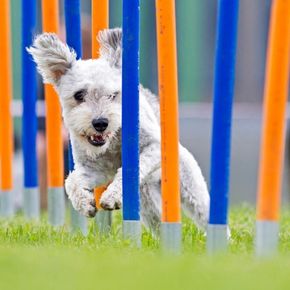
Nutrition and exercise go hand in hand when you are trying to lose weight or just live more healthily. At Avenues Vets in Glasgow, we love dogs, and we love helping owners improve their dog’s health and happiness. Our team have put together some proactive dog nutrition and exercise tips to help you make a plan.
You can help other dog owners in Lanarkshire by sharing your dog wellness tips on our Facebook page:
10 top tips for creating a dog nutrition & fitness plan
- Choose a good quality, nutritionally complete, dry dog food that will support your dog’s health, life-stage, activity levels, and dental health.
- Some owners like to add wet food, look for one with good quality ingredients.
- Measure/weigh your dog’s food portions to ensure they are getting the right amount for their daily needs. Remember that more exercise may need more food. Ask us if you are unsure.
- Ensure your dog drinks plenty of water, you can always put some in with their food.
- Reduce treats and switch to healthier options like carrots and cooked green beans.
- Write down the exercises you want your dog to do and when, so you have a clear guide to keep you bothon track.
- Even if weight loss isn’t the focus, it is a good idea to write down weight goals (lose/gain/maintain) and measure changes every 2 – 4 weeks. This way, you can adjust the exercises or nutrition quickly if any issues arise. Pop into our Woodside Avenue practice to get your dog’s starting weight. We can also do a body condition score to understand where your dog is at on the scale – just request a Nurse appointment.
- Increase the time, speed, and/or incline of your dog’s daily walk to burn more calories, give muscles more of a workout, and mix-up their regular routine.
- Try something new like dog agility if your dog is up to the challenge – be careful with older dogs and take it slow to start with.
- Consider a dog fitness app that lets you track routes, activities, and achievements.
Now you are ready to create your dog’s ‘healthier in 2022’ plan.
Don’t forget to make time for rest and recovery in your plan to avoid injury, burnout, or loss of interest for you both. Dogs do need daily exercise, so it is a good idea to do standard walks on some days (or all days if you have a very energetic dog) and try something more up-tempo on others. We hope you enjoy your new plan as much as your dog will!
Call us if you would like more advice or to book a body condition score appointment with our Vet Nurses on 0141 643 0404.
Help your friends and family, and other Lanarkshire dog owners by either sharing our article on your social media profiles or,

We’re all for new year resolutions that will help pets and planet. Head Vet Nicola Armstrong and the rest of our dog-loving team in Glasgow, have some thought-challenging ideas to share with you on the topic of dog treats.
Before we dig in, if you think your dog could be overweight, our Woodside Avenue nursing team can help. Book a weight check and get a body condition score, advice, and support for your dog’s weight-loss journey ahead.
What are overweight dog problems
Carrying excess weight will affect your dog’s health and quality of life. Overweight dogs can struggle with mobility, sore joints, and injuries. They are also at risk of developing diabetes and other serious health complications. A large contributing factor to weight gain is treats – to be more accurate, people giving dogs treats.
As January is a common time for new year weight-loss resolutions, we thought we’d encourage pet owners to focus on their dog’s weight too… whilst trying to live more sustainably of course. Read Nicola and our team’s top tips below for better treat options.
Seven dog treat ideas for 2022
- Dogs don’t ‘need’ treats; there’s an interesting thought! Here’s another – your dog won’t love you any less if you don’t give them a treat. Be more purposeful with them i.e., use treats in training and to reward positive behaviour, such as recall on walks. Keep an eye on how many you’re giving as they quickly add up when you’re having fun.
- Your dog will still enjoy a treat if it’s not of the high-calorie, artificially coloured variety. Choose a low-fat dry kibble to use as treats, or, switch to carrots, cucumber, apple (not the core), and other healthy fruit and vegetables that aren’t toxic to dogs. Here’s a guide on fruit & veg your dog can eat from the PDSA.
- When buying dog food and treats from a shop check for eco-friendly packaging. Is it recyclable? Is there a better option? Also ask yourself, “does my overweight dog need it?”
- Avoid the pick & mix stand in your local pet shop as you can’t always check the ingredients and fat/sugar content and it’s easy to get carried away. If you do use it, take your own tubs.
- If you’re switching to carrots and other healthy veg & fruit treats, buy loose items without plastic packaging. Alternatively, why not buy some seeds and grow your own in Lanarkshire?
- Can you walk to the shop for treats? Lower your carbon footprint and give your overweight dog some exercise. You could also take a backpack to avoid plastic shopping bags.
- Have you thought about making dog treats at home? You’d be in control of the ingredients and baking goods often come in recyclable packaging (flour, eggs, etc.). Search for ‘healthy dog treat recipes’ and grab your apron.
If you have any more tips for switching to healthier and more sustainable dog treats, we’d love you to share them on our Facebook page to help other dog owners. Share on Facebook.
Not sure if your dog is overweight? Book a weight check with our Glasgow nursing team and let us help you make 2022 a healthier year for your dog.
Should you give your dog human foods like roast dinner, mince pies, Christmas pudding, and trifle? No, is the short answer, as our team of Vets will tell you.
If you think your dog may have eaten something concerning, call us for advice or to arrange emergency care straight away.
Call us on 0141 643 0404
Many foods and drinks we consume over Christmas are toxic to dogs. Depending on the item, amount consumed and how long ago, combined with the size and health of your dog, the situation could be life-threatening. To put it into context, a single raisin could potentially kill a dog – they are that toxic.
To help you avoid harmful foods and find treats your dog can have this holiday season, our Glasgow Vets have created these lists to help you.
Christmas foods your dog SHOULD NOT eat:
- Christmas roast dinner – Skinless, plain turkey is fine in small quantities. However, most festive dinners are laden with fat and can include onion (gravy), chives, garlic, pepper, and lots of salt – none of which will do your dog any good. Likewise, your dog shouldn’t chew on cooked bones as these can splinter and damage your pet’s mouth and gut.
- Pigs in blankets – The sausage meat may contain onion and spices, and along with the bacon will be very fatty. Eating foods high in fat can lead to a painful condition called pancreatitis.
- Mince pies and Christmas pudding – These usually contain dried fruits like raisins and sultanas, which are highly toxic to dogs and consumption can be fatal.
- Chocolate – All chocolate is toxic to dogs. However, dark and cooking chocolate are the most toxic as they contain the most theobromine per gram. Call 0141 643 0404 immediately and keep the wrapper if they didn’t eat that too.
- Trifle and other sweet treats – Many dogs are lactose intolerant, and an overdose of dairy cream can cause an upset stomach. Fatty and sugary foods can cause weight, dental, and other health issues so it’s best to just avoid these types of human foods as dog treats.
- Other harmful Christmas goodies include macadamias and other nuts, bread dough (yeast), cookie dough, grapes, corn-on-the-cob, alcohol, and anything containing Xylitol – an artificial sweetener that is highly toxic to dogs.
Treats your dog CAN have:
- Dog treats! It might sound simple, but dog treats are typically made to be nutritionally balanced, tasty, and safe for dogs. You can usually buy festive-themed treats at most pet shops in and around Cambuslang, Laurieston, and Giffnock, or make your own!
- Safe human foods like raw carrots, cucumber, banana, and blueberries, and cooked butternut squash, green beans, and plain pasta in small amounts can make excellent dog snacks. They can also be heathier alternatives to some manufactured dog treats.
Try to remember that your dog won’t love you any less if you don’t give them some of your food, or if you swap cream cakes for carrots. And most importantly, dogs are cunning enough to help themselves if you leave them and food unattended…
Some final tips from our Glasgow Vets – Always research new foods online to check they are safe for dogs – if in doubt, leave it out. Give new foods in small amounts first to check they agree with your dog.
If you have any dog food health scares over the festive season, contact us straight away.

If you are thinking about breeding your female dog for the first time, or there has been an ‘unexpected incident’, you’ll need to know some facts about dog pregnancy.
The Avenues Vets’ head vet Nicola Armstrong, is here to help. Read Nicola’s answers to frequently asked questions on the subject, from pet owners in Lanarkshire.
Book a dog pregnancy consultation
How did my dog get pregnant? – Besides the obvious ‘birds & bees’ explanation, it’s helpful to know that female dogs can’t get pregnant all the time. An unneutered female’s ‘heat’ season typically starts between 6 – 36 months of age, lasting 3 weeks at a time, about twice a year.
Female dogs ‘in heat’ can be impregnated by an ‘in-tact’ male dog when you least expect it i.e., out on a walk, visiting someone’s home, doggy day-care, and even in your home or garden. Unneutered male dogs are known to stop at nothing to reach a female.
How long are dogs pregnant for? – A dog pregnancy can vary between 56 – 70 days. Typically, puppies should arrive about 63 days (just over 2 months) after conception.
Are there any tell-tale dog pregnancy symptoms? – Like humans, some dogs can suffer from ‘morning sickness’ and will vomit in the early stages of pregnancy. Other early dog pregnancy symptoms can be subtle including changes to appetite, slightly enlarged nipples, clear vaginal discharge, increased tiredness, and more affectionate behaviour.
During the latter stages, expect weight gain, increased appetite, and behaviour changes. Her teats may become darker, stand out more, and produce a semi-clear discharge. An enlarged abdomen with visible puppy movement is a great sign that puppies are on the way.
Can I buy a dog home pregnancy test?
There is no shop-sold home dog pregnancy test available, like those you can buy for humans. One of our experienced vets may use a hormone test, ultrasound, or a physical examination of the abdomen, to confirm whether your dog is pregnant.
How can I prepare for my dog giving birth?
- Create a nest: Make a quiet, relaxing, and private space for your dog to give birth and nurse puppies in. Line a large cardboard box or whelping box with puppy pads and clean bedding. Add her own clean toys/bedding to get her used to it.
- Prep in advance: Gather clean towels, nail scissors, and small blankets. Microwavable bean bags can provide warmth if you need to move puppies away from mum for any reason.
- Talk to our experienced vets: Know the signs of labour and distress to look out for. You should be as hands off as possible, but always there to support and intervene if needed.
- Be ready for an emergency: Dogs often give birth at night, and sometimes an emergency caesarean is required. Nicola recommends a) popping our emergency contact information in your phone, b) having transport available, and c) packing anything you’ll need to take with you (wallet, keys, blankets, puppy carrier etc.), in advance.
How long is a dog in labour?
Depending on the number of puppies, labour normally lasts between 3 – 12 hours. When you book your dog pregnancy appointment at our Glasgow practice, ask us about the three stages of dog labour.
Think your dog could be pregnant? Book a vet consultation so we can run some tests and help you understand what happens next.

Not all cases of travel sickness in dogs result in car seats being redecorated. There are other symptoms that show your dog is feeling unwell on your journey, and even before you start. Our experienced head vet, Nicola Armstrong, explains what to look out for, and how you can help your dog cope with car travel.
Visit our Vet Nurses for advice
Causes and symptoms of travel sickness in dogs
Travel, or motion sickness in dogs is more commonly seen in puppies and young dogs because the ear structures used for balance aren’t fully developed yet. Most puppies should outgrow motion sickness by the time they are about 12 months old.
Some older dogs, however, will start to fret as soon as you open the car door. A common reason for this is stress. If your dog is only ever in the car for a trip to somewhere they have associated with a negative experience, anxiety can lead to nausea and vomiting.
When it comes to the symptoms of motion sickness, Nicola advises dog owners to watch for any signs of inactivity, yawning, whining, excessive drooling, smacking or licking lips, and vomiting.
10 steps to treating motion sickness in dogs
If your dog suffers from sickness while travelling, don’t panic. There are plenty of steps you can take to minimise suffering.
- Take your pet back to basics to build up their tolerance level. Try just sitting in your car with them for a while, before embarking on a trip to the end of the road and back. Gradually progress a little further each time and give them extra praise after each session, so they associate car travel with a positive experience.
- Make the car journey as comfortable as possible; ensure your dog is facing forwards while travelling rather than looking out of side windows. Buy a dog seatbelt to keep them secure.
- Keep your vehicle cool and well ventilated. Lower windows slightly when the car is moving to balance air pressure in the car.
- Limit their food consumption before travelling.
- Give them their blanket and favourite toy in the car to try and pacify them.
- A natural remedy you can try for dog car sickness is placing a cotton ball with a few drops of lavender or chamomile oil on, inside your car 30 minutes before you set off. This fills the car with a soothing aroma. Be sure to remove the cotton ball so your dog doesn’t eat it.
- Spray a small amount of Dog Appeasing Pheromone inside the car. Ask us about this.
- Vary destinations so your dog doesn’t just associate car travel with vet visits, or wherever else they are uncomfortable. Why not throw in some trips to an exciting new park?
- Try using desentisation techniques at the places where your dog seems nervous (if it’s safe for them). For example, you can bring your dog to our Woodside Avenue clinic just to get a treat and some fuss from our team. Weigh-ins make good interim visits too. Several positive experiences in a row will help your dog learn that not all vet visits involve a thermometer up their…
- If your dog’s travel sickness isn’t improving, talk to Nicola or one of our vets about whether a prescription tablet could help. Never give your dog human travel sickness tablets.
Good luck, and we hope you enjoy an incident-free journey with your dog soon. If you need any further advice or support, we recommend making an appointment with one of our friendly Vet Nurses by calling 0141 643 0404.
Canine infectious diseases can be hard to avoid during summer as they spread where there are large concentrations of dogs. This could be at the park, on dog-friendly holidays, in boarding kennels, day care, and at dog shows.
Our head vet Nicola Armstrong, recommends that pet owners should know how to spot the symptoms of common canine diseases, but also how to prevent them. Vaccinating your dog annually reduces the risk of contracting most harmful diseases not only for your dog, but for other dogs as well. That’s why Nicola always explains the importance of vaccinations to pet owners in Lanarkshire.
If you’re not sure when your dog was last vaccinated, and you’re registered with Avenues Vets, give us a call on 0141 643 0404 and we can check and book them in.
The facts about five dog diseases that are common in summer:
Kennel cough (canine tracheobronchitis)
- Airborne, highly contagious and infectious.
- Can be picked up anywhere infected dogs have been, not just in kennels.
- Symptoms of kennel cough: a dry hacking/honking cough, retching, nasal discharge, and lack of appetite in some dogs.
- Can progress to secondary pneumonia with a high temperature and lethargy – can be fatal.
Canine parainfluenza:
- Contagious respiratory virus in dogs that often leads to kennel cough.
- Spread via contact with an infected dog, shared food and water bowls, and bedding.
- Symptoms of canine parainfluenza: a cough, temperature/fever, nasal discharge, appetite loss, lacking energy.
- Sometimes mistaken for canine influenza, which is a different virus and less common.
Parvovirus:
- Unvaccinated dogs (especially puppies) can catch parvovirus from an infected dog, their faeces, and anything they’ve touched e.g., lead, bowl, bedding, human hands, clothes, other objects. The virus can live outside of the body for up to a year.
- Symptoms of parvovirus: attacks the intestines causing vomiting, reduced appetite, diarrhoea (foul smelling, bloody & watery), extreme lethargy, fever (hot or cold to touch).
- Can be fatal if left untreated, and sometimes fatal even if prompt treatment is sought.
Canine Coronavirus Infection (CCoV) – not related to COVID-19:
- Highly infectious virus, attacks part of the small intestine causing gastrointestinal issues.
- CCoV can remain in the body and be shed in faeces for up to 6 months. It can survive in the environment for a couple of days. Transmission is via exposure to an infected dog’s faeces.
- Stress and poor hygiene can make a dog susceptible to CCoV.
- It can be most problematic for puppies and dogs with other infections like parvovirus.
- Symptoms of CCoV: sometimes none, vomiting, diarrhoea, dehydration, depression, fever, appetite loss. CCoV can be fatal.
Lyme disease isn’t contagious, but it is the most common tick-borne disease in the UK. Lyme disease can be contracted by dogs, humans and other pets when bitten by an infected tick. Ticks are always around, mostly in grassy and heathland areas, but are most active in warmer months. It’s important to check for ticks after walks and keep an eye out for common symptoms: fever, lethargy, appetite loss, lameness, and joint swelling. Lyme disease can progress and become debilitating.
To combat these diseases there are two things Nicola recommends to dog owners: 1) know the symptoms, and 2) learn how to prevent them in the first place.
Thankfully, you can protect your dog from the above diseases by keeping them up to date with vaccinations, and parasite treatments for ticks.
If your dog is registered with us, our Woodside Avenue team can check if they are up to date with vaccinations and parasite control. To help you, both are included in our pet health plan – just ask our team for information.
As a side note, according to the RSPCA, imports of puppies doubled in the previous year last summer thanks to the ‘lockdown puppy trend’. Do you know someone who adopted a new pet in the last 12 months? You can help their dog and the wider dog population by encouraging them to check up on vaccinations too.

Like many people, did you try to socialise a puppy bought in lockdown and weren’t able to cover all aspects? The Avenues Vets’ nurses want you to know it’s never too late to socialise a puppy, or an older dog, and explain how below.
So you can get 1-2-1 puppy advice from our fully trained vet nurses, take a moment to register your new best friend and tell us all about them.
Puppy socialisation is an important part of early development, and helps them grow into confident and well-mannered adults. After 6-8 weeks of ‘training’ with mum & siblings, it’s over to you. Ideally, socialising a puppy should be done by 16 weeks. Socialising an older dog is still worth doing, just allow more time & patience. Our nurses have created this handy puppy socialisation checklist to help you:
Post-Lockdown Puppy Socialisation Checklist
- The basics: Build up to collar wearing in the house and lead walking in the garden. Once fully vaccinated, do daily walks around your neighbourhood (start with 5 mins for each month of age twice a day). Get them used to being examined all over at home, and bring them to see our Woodside Avenue team to get weighed regularly. Happy experiences will reinforce a positive association, before they need a veterinary procedure.
- At home: Check your puppy is relaxed and happy. Then let your puppy get used to seeing and hearing things like the washing machine, hoover, TV, hairdryer, doorbell/knocker, and post arriving through the letterbox. Toys can be used to introduce different movements and textures in a non-threatening way.
- Summer sounds: There’s lots for your puppy to get used to in the garden this time of year such as the lawnmower, kids playing, and the hosepipe. Your puppy can of course have fun outdoors, but what you don’t want is for them to be afraid or bark uncontrollably.
- People: Your puppy may not have had much interaction with people outside your household yet. Now they can get used to friends, family, different age groups, and people wearing face masks, hats and glasses. Don’t forget postal workers and people in high-vis clothing.
- Animals: Socialising your puppy with other dogs is very important. Stay close enough to remove your puppy from the situation if needed, but don’t overcrowd so they can build confidence. Most dogs will teach puppies what is/isn’t acceptable to them, and owners may ask you to leave their dog alone. When introducing cats, small furries, horses, sheep, and cows, go slowly and be careful. A calm puppy around squirrels & birds would be beneficial.
- Out & about: Get your puppy used to traffic, busy highstreets, pet-friendly shops, and the ice-cream van of course!
- Car travel: Use a dog crate or a harness and seatbelt. Build up to longer car rides now you can go further afield – remember water & toilet breaks. Ask us for help if this isn’t going well.
- Home alone: If you’ve spent a lot of time at home, your puppy could develop separation anxiety when you go out. Try crate training or dedicate a safe corner in a quiet room for your puppy’s bed. Leave them alone for a bit longer each time.
The Avenues Vets’ nurses recommend involving everyone in your household, including children. Plus, stay calm, be consistent, and keep sessions short & frequent. Try not to overload your puppy with new experiences all at once and always reward calm behaviour towards new things. Finally, stay strong and resist the urge to cuddle your puppy if they get wary.
For more helpful puppy socialisation advice, register your new puppy and book a chat with our nurses.

Whatever you do, don’t yank that pesky tick straight out of your dog! It might seem like the obvious thing to do especially if your dog is agitated, but pulling a tick straight out can cause the head to detach, which can lead to more irritation and increases the risk of disease transmission.
This may sound horrible, but it’s a common problem during spring and summer. Our head nurse, Linsey Wallace explains.
What you need to know about ticks:
- Ticks mostly live in woodland, long grasses and fields, more so where sheep or deer graze. Although most prevalent in spring and summer, they can be problematic throughout the year in some areas.
- Ticks can vary but are typically small, oval & flat. Unfed they’re about the size of a sesame seed and can swell to coffee bean size after a feast of blood.
- They latch onto pets (and people) by inserting their mouthparts into the skin to suck blood. Many produce a sticky glue-like substance to stay attached.
- A tick bite can cause irritation, as well as anaemia and temporary paralysis in rare cases. Ticks can also spread lyme disease, which affects humans too. Left untreated, lyme disease can lead to a serious, debilitating chronic illness with complications for life. Headaches are a common initial symptom in humans.
How to tell if your dog has been bitten by a tick:
After walks, check your dog all over for ticks (they’ll feel like small bumps), especially under the tummy, armpits, ears, head, neck, groin and feet. Your dog might:
- be excessively scratching or biting at an area, or shaking their head.
- have an initial ‘bullseye’ rash around the bite site.
- have intermittent lameness.
- show fever or lethargy.
To remove a tick safely you’ll need a tick removal tool that’s been specially designed to help you perform the necessary motion needed to get it out in one piece. These tools typically come in a pack of two sizes and can be purchased from most vet practices, pet stores, and some online retailers. Linsey recommends having a set in your pet first aid kit, and even your handbag and car.
The longer the tick is in your pet, the bigger the risk of disease transmission. If you’re struggling to get it out yourself, contact our nursing team for advice.

If your dog could make new year’s resolutions, what would they be? More snacks… more slippers to chew… more squirrels to chase… more fox poop to roll in… As dogs rely on their owners to make decisions on their behalf, we wanted to help you to make some new year’s resolutions for your dog with their best interests at heart.
5 top new year’s resolutions for your dog:
1. Get into an exercise routine whatever the weather – Exercise is essential for your dog’s health & happiness, and that doesn’t stop because it’s cold and wet outside. Weight gain and boredom are two common outcomes from a lack of exercise, and can lead to further problems. Find out how much exercise your breed of dog needs each day here and try to stick to it: https://www.thekennelclub.org.uk/search/breeds-a-…
2. Spend more quality time together – Whether you choose to play with your dog, groom them, watch the squirrels together from the window, take them with you on errands, or sit and stroke them while you read a book or watch TV, your dog will truly benefit from spending more time by your side – even better if you’re doing something they enjoy. Commit to 20-30 minutes each day to be with your dog.
3. Break up the boredom – Mental stimulation is just as important as physical exercise. You can break up your dog’s day with a variety of activities such as:
- Make meal times more interesting with activity feeders or hiding food.
- Make an indoor agility course with cardboard boxes and toys.
- Introduce mind challenging toys to your dog’s routine.
- Teach them some commands for rewards.
Check out these boredom busting ideas on www.amazon.co.uk
4. Swap snacks to healthier ones – Your dog will still love you if you swap the calorific dog treat you give them every day for a carrot to chew on. Swapping your dog’s snacks to healthier options like carrots, apples (excluding the core & pips), green beans, and cucumber, will improve their health and help with weight loss.
Here’s some more fresh healthy snacks your dog might enjoy: https://www.thefarmersdog.com/digest/top-14-dog-friendly-snacks/
5. Enrol them in a pet health plan – Most people these days have busy lives, and sometimes it can be hard to remember things like locking the back door, buying toilet roll, and applying the dog’s monthly flea treatment. A pet health plan is designed to send you regular reminders about your dog’s health needs, and provide the home and veterinary treatments to fulfil these needs.
Talk to our head nurse Linsey about how a pet health plan can benefit you & your dog this new year – get in touch.


