

Starting the year with a focus on your pet’s health is a fantastic way to ensure they’re happy, comfortable, and active all year long. At Avenues Vets, we’re here to support pet owners in Lanarkshire with everything from check-ups to tailored nutritional advice, helping to start the year right. Below are some of the key steps for effective pet health planning.
Book your pet’s next appointment
Scheduling annual health checks
One of the best ways to ensure your pet’s ongoing health is to schedule an annual wellness exam with one of our highly experienced vets. A health check allows us to assess your pet’s overall condition, check for any underlying issues, and keep vaccinations up to date. Regular visits help identify potential health concerns early, making it easier to manage and prevent issues over time.
Make sure to book a wellness appointment at Avenues Vets to give your pet a great start to the new year.
Nutrition and weight management
Nutrition plays a big role in your pet’s health, and the new year is a great time to check their diet. Obesity in pets is common and can lead to problems such as joint issues and diabetes.
Nutritional appointments with The Avenues Vets’ nursing team
At Avenues Vets, our nursing team are here to provide tailored nutritional advice suited to your pet’s age, breed, and lifestyle. During a nutrition appointment, we’ll discuss meal portions, feeding habits, and any specific dietary needs. If your pet has weight concerns, we can help create a diet plan that supports their health throughout the year. A quick nutrition review could make a big difference in their quality of life – contact us to book this.
Additional health considerations
Our vets in Glasgow advise that these are a few more health checks to consider when planning for the year ahead:
- Dental Checks: Dental health is essential for your pet’s overall wellbeing. Our vets can check your pet’s dental health at their next wellness check-up. Then, regular dental checks and oral care can help prevent plaque build-up and other oral health issues.
- Parasite Prevention: Ensure your pet is up-to-date on parasite control for fleas, ticks, and worms. Book an appointment for a parasite prevention review.
- Mobility Assessments: As pets age, joint health can become a concern. Discuss any mobility issues with our team, particularly if you have an older pet.
Book an appointment to start your pet’s health plan
Getting organised with your pet’s health in January is a great way to support their wellness all year round. Our team at Avenues Vets are here to help you develop a personalised health plan that’s just right for your pet. From routine check-ups to tailored diet plans, we’ve got you covered.
Book your pet’s next appointment now
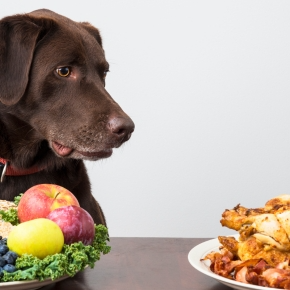
Each January, the Veganuary campaign inspires people across the UK to embrace plant-based eating for the month, often driven by ethical beliefs or health considerations. You might be wondering if your pet can join you on this initiative. To help pet owners in Lanarkshire understand what diet is safe for their pets this January, our team have put together the following advice.
Get tailored nutritional advice for your pet by contacting us to book an appointment with our experienced registered veterinary nurses at Avenues Vets.
Book a pet nutrition nurse appointment
Choosing the right diet for your pet
The Avenues Vets’ veterinary surgeons and registered veterinary nurses are highly trained when it comes to providing guidance on proper pet nutrition and care. While humans can choose dietary preferences, it’s crucial to prioritise the wellbeing and health of our pets by providing them with diets that meet their nutritional and health requirements.
The protein in your pet’s diet provides them with amino acids, and these are essentially the building blocks of your pet’s body. Our team at Avenues Vets can advise you on the protein sources and levels your pet needs, as well as all other aspects of pet nutrition. Each type of pet will need a slightly different diet based on their size, exercise levels, age and health condition. So, consulting with our team at Avenues Vets is the best way to ensure your pet is receiving the right balance of nutrition for their individual needs.
Can dogs eat a vegan diet?
Advice for dog owners in Lanarkshire is that a dog’s diet must provide the right balance of essential nutrients like proteins, vitamins, and fats. Unlike their ancestors, today’s dogs are omnivores, able to gain nutrients from both animal and plant sources. It’s important to be aware that insufficient nutrition may lead to health conditions impacting your dog’s heart, skin, coat, and immune system. While animal proteins provide high-quality ‘complete’ proteins with optimal amino acid ratios, plant proteins can be more complex. They often contain compounds like tannins, which can bind to the protein and make it harder for your dog to absorb.
That said, it’s all about getting the right balance for your dog’s individual needs. If you’re considering trying a diet that’s very different, such as a plant-based diet, your vet at Avenues Vets will work with you to ensure your dog’s new diet contains everything they need for optimum health.
Can cats eat a vegan diet?
Cats are obligate carnivores, meaning their bodies are specifically adapted to thrive on a diet rich in animal-based protein – quite the opposite of the Veganuary challenge. They require nutrients found only in animal tissue, and insufficient intake of these nutrients can lead to serious health issues.
Nicola explains that cats need 11 essential amino acids in their diet, which they cannot produce on their own. These amino acids – lysine, arginine, phenylalanine, histidine, isoleucine, leucine, methionine, taurine, valine, tryptophan, and threonine – are crucial for various aspects of health, including vision, heart function, muscle growth, and hormone balance. Without adequate amounts of these nutrients, cats are at risk of health conditions like vision impairment, heart disease, hormonal imbalances, and overall malnutrition.
Due to this, Nicola highly recommends that cats should not eat a vegan diet, to avoid putting their health at risk.
To learn more about your pet’s individual nutritional needs, contact us to book an appointment with our experienced veterinary nurses in Glasgow.
Talk to our nurses about pet nutrition
Following the recent rise in heating bills this autumn, keeping you and your pets cosy as the temperatures drop has become more challenging. To help pet owners in Lanarkshire, our team at Avenues Vets have come up with some affordable and creative ways to stay cosy without cranking up the heating. Below are our top tips for keeping your whole family comfortable this winter.
To help your money go further, sign up to our Avenues Health Plan and benefit from savings on your pet’s routine care, if you haven’t already.
Affordable ways to keep warm
1. Layer up – for both you and your pets
Layering isn’t just for humans! The Avenues Vets’ team recommend jumpers or coats for short-haired or older pets but be sure to supervise them, so they don’t overheat or get tangled. For pets who dislike clothes, or when you’re not home, an insulated bed with blankets works wonders. Thermal clothing and socks for yourself can also reduce the need for extra heating.
2. Create a cosy space
Set up a warm corner for your pets, away from draughty areas. Add extra blankets or a thermal pet mat to reflect their body heat. If your pet loves to burrow, consider a covered pet bed or a self-warming blanket to keep them snug. For smaller pets, our veterinary nurses in Glasgow recommend adding extra bedding material.
3. Use natural warmth
Open curtains on sunny days in Lanarkshire to let natural heat in and move your pet’s bed to a sunlit spot. At night, close the curtains to retain the warmth. This simple step can significantly reduce the need for additional heating.
4. Pet-safe heating options
If using alternative heat sources, choose pet-safe options like electric blankets or heating pads designed for animals. For small pets, consider pet-safe heat lamps or microwavable heat pads – but always ensure proper safety measures are in place. If wrapping the sides of your pet’s cage or hutch in a duvet, ensure they have adequate ventilation.
5. Minimise draughts
The Avenues Vets’ team suggest keeping your home insulated by sealing draughty windows and doors using these methods:
- Install weatherstripping around door and window frames.
- Apply self-adhesive foam tape to fill gaps in windows.
- Use thermal curtains to block drafts and retain heat – look for a bargain set in charity shops and car boot sales in Lanarkshire, or on Facebook marketplace.
- Seal cracks with caulking or silicone sealant.
- Add door sweeps to the bottom of exterior doors.
- Use draught excluders along the bottom of doors – rolled-up towels can work too.
Plus, keeping unused rooms closed off will trap heat in smaller spaces, and putting another layer under pet beds or cages on the floor (a foam mat, reflective thermal pads, carpet remnants, a rug, or fleece blankets) will help to keep the cold away too.
6. Stay active indoors
Our team at Avenues Vets also suggest encouraging indoor playtime to keep your pets active and generate warmth. Interactive toys, puzzle feeders, or a game of fetch can raise their body temperature and keep them engaged, especially when outdoor exercise isn’t an option.
Signs your pet is too cold
Some of the following signs can also be attributed to other health issues so please call us on 0141 643 0404 if you are concerned:
- Shivering or trembling
- Curling up tightly, hiding, or seeking warmth
- Cold ears, paws, or tail
- Lethargy or reluctance to move
- Whining, anxious behaviour, or restlessness
With The Avenues Vets’ tips, you and your pets can stay comfortable without relying too much on extra heating. If you’re worried about your pet’s health during the colder months or need more advice on keeping them warm, don’t hesitate to reach out to our vet practice in Glasgow.
And remember, you could be making your money stretch further this winter by signing up to our Avenues Health Plan – find out more and sign up.
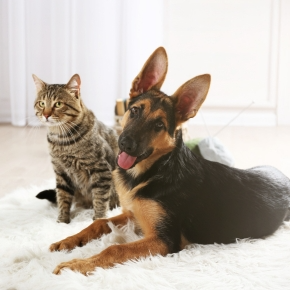
Vet Nicola Armstrong is sharing important information this month about Dilated Cardiomyopathy (DCM), a serious heart condition affecting pets that can lead to heart failure or sudden cardiac death. Nicola feels it’s important for dog and cat owners in Lanarkshire to understand what DCM is, which breeds are predisposed, and the steps to take if they suspect their pet may be affected.
Book a heart health consultation
Understanding Dilated Cardiomyopathy
What is DCM?
Vet Nicola Armstrong explains that DCM is a condition in which the heart becomes enlarged and weakened, affecting its ability to pump blood efficiently. This can lead to fluid build-up in the lungs and other parts of the body, resulting in symptoms such as coughing, lethargy, reduced exercise tolerance, and abdominal swelling. In some cases, DCM can develop silently, making regular veterinary check-ups essential for early detection. DCM typically occurs, but is not limited to, older male dogs.
DCM in Dogs – predisposed breeds
Nicola shares that this condition typically affects large-breed dogs, and that certain dog breeds are genetically predisposed to DCM. These include:
- Doberman Pinschers
- Boxers
- Great Danes
- Irish Wolfhounds
- Saint Bernards
- German Shepherd Dogs
- Newfoundlands
- Labrador Retrievers
While these breeds are at a higher risk, DCM can occur in other breeds as well, including mixed-breeds. Nicola says being proactive in monitoring you pet’s health is important.
Dogs, especially small breeds or those on grain-free diets or diets low in taurine, can also sometimes experience taurine-responsive DCM. Taurine is an essential amino acid for heart health and some grain-free diets (especially those high in legumes or potatoes) have been suspected of contributing to taurine deficiency, which can lead to DCM. However, this remains a topic of ongoing research.
DCM in cats
Since the discovery in the 80’s that a lack of taurine caused most cases of DCM in cats, the condition has become much less common. This is because taurine is now added to all commercial cat foods. Today, most DCM cases in cats are due to other underlying causes and don’t respond to taurine. However, DCM can still occur in cats fed non-commercial diets like vegetarian or home-cooked meals.
Signs and symptoms of DCM
Nicola wants pet owners in Lanarkshire to be aware of the following symptoms that may indicate DCM:
- Coughing or Difficulty Breathing: This could be due to fluid accumulation in the lungs.
- Lethargy: A noticeable decrease in energy or interest in activities they previously enjoyed.
- Exercise Intolerance: Reluctance to walk or play, or excessive panting after minimal activity.
- Abdominal Swelling: This may indicate fluid build-up due to heart failure.
- Fainting or Collapse: A serious sign that requires immediate veterinary attention.
Cats with DCM often show severe breathing issues and symptoms can progress quickly, making the condition difficult to manage. If you notice any of these signs, Nicola says it’s important to consult with one of our vets in Glasgow promptly for a thorough examination.
Advice for pet owners
1. Schedule Regular Vet Check-Ups: Your vet at Avenues Vets will listen to your pet’s heart for signs of irregularities. This is especially important for breeds at higher risk.
2. Watch for Weight Changes: Maintaining a healthy weight is vital for heart health. Obesity can exacerbate heart conditions, so monitor your pet’s diet and exercise routine.
3. Feed a Balanced Diet: Studies have suggested a possible link between some grain-free/low-grain canine diets and DCM. Ask our vets for advice on the best diet for your dog, particularly if they are a predisposed breed.
4. Know Your Dog’s Family History: Nicola says if you adopt or purchase a pet from a breeder, inquire about their family history regarding heart conditions.
5. Be Prepared for Emergencies: Understand the signs of heart distress (above) and have an emergency plan in place – take note of The Avenues Vets’ emergency vet information.
In conclusion, Dilated Cardiomyopathy is a serious condition affecting dogs (mainly) and cats but being aware of the risks and symptoms can significantly improve outcomes. Vet Nicola Armstrong shares that staying informed and proactive about your pet’s heart health is very important.
If you have any concerns or questions about DCM or your pet’s health, please don’t hesitate to reach out to our vet practice in Glasgow.
Book a heart health consultation

Sadly, pets can’t communicate discomfort verbally, which makes recognising and addressing pain a crucial part of their care. September is Animal Pain Awareness Month. To support this, Avenues Vets’ Veterinary Surgeon Nicola Armstrong, is explaining the different types of pain, and the signs to look out for in your dog, cat, or rabbit so you can get them the treatment they need promptly.
Recognising different types of pain in pets
Vet Nicola Armstrong explains that acute pain is sudden and severe, typically resulting from an injury, surgery, or illness; it is often sharp and intense.
Neuropathic pain arises from damage to the nervous system and can be difficult to pinpoint – humans would probably describe it in themselves as burning or tingling.
Visceral pain is related to internal organs and is often harder to detect. It’s typically associated with conditions like gastrointestinal problems or bladder infections, some of which can be emergencies. Call us promptly on 0141 643 0404 if you spot signs of acute, neuropathic, or visceral pain in your pet.
Chronic pain is long-lasting and persists over time, often due to conditions like arthritis, dental issues, or chronic illness. Nicola recommends keeping a diary to log changes in your pet’s behaviour and demeanour, and contacting us to book a pet check-up at our practice in Glasgow as soon as possible.
Nicola shares that these are the signs of pain to look out for:
Is your dog in pain?
- Acute pain: Whining or barking more than usual, limping or favouring one leg, restlessness or difficulty settling down, avoidance of movement or play.
- Neuropathic pain: Unexplained twitching or muscle spasms, sensitivity to touch – even light pressure, difficulty walking or coordination problems, vocalisation in response to touch.
- Visceral pain: Vomiting or diarrhoea, restlessness or pacing, changes in appetite or drinking habits, abdominal tenderness or swelling.
- Chronic pain: Stiffness or difficulty getting up, reluctance to climb stairs or jump, behavioural changes such as irritability or aggression, changes in sleeping patterns or excessive sleeping.
Is your cat in pain?
- Acute pain: Hissing or growling when touched, increased hiding or withdrawal, reduced grooming or a scruffy coat, changes in eating or litter box habits.
- Neuropathic pain: Excessive grooming of a specific area, discomfort or sensitivity in certain parts of the body, unusual postures or movements, reluctance to be handled or touched.
- Visceral pain: Frequent urination or signs of straining, loss of appetite or vomiting, changes in behaviour such as hiding or aggression, abdominal swelling or sensitivity.
- Chronic pain: Decreased activity or reluctance to play, difficulty jumping onto surfaces, increased vocalisation – especially during movement, changes in litter box usage or grooming habits.
Is your rabbit in pain?
Anything that causes your rabbit to stop eating is an emergency in itself – see our emergency contact information.
- Acute pain: Rapid breathing or thumping, reluctance to move or hop, reduced appetite or refusal to eat, hiding or staying in a corner.
- Neuropathic pain: Abnormal movements or twitching, sensitivity to touch or grooming in specific areas, changes in posture or difficulty sitting normally, increased aggression or fearfulness.
- Visceral pain: Changes in droppings or gastrointestinal upset, signs of discomfort when touched around the abdomen, reduced food intake or changes in eating habits, lethargy or unusual behaviour.
- Chronic pain: Reduced activity and reluctance to hop, changes in behaviour such as aggression or timidity, difficulty grooming or poor coat condition, changes in eating habits or reduced food intake.
What to do if you suspect pain
If you notice any signs of pain in your pet, Nicola recommends contacting our vet practice in Glasgow as soon as possible. Early diagnosis and treatment can significantly improve your pet’s quality of life and address underlying conditions effectively.
Don’t hesitate to reach out to our team at Avenues Vets, with any concerns about your pet’s health or behaviour.
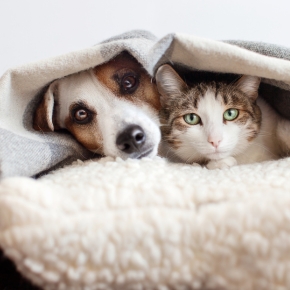
Noise phobia in dogs and cats is a common but distressing condition that can significantly impact their quality of life. This anxiety disorder causes pets to become extremely fearful of loud or sudden noises, leading to intense stress and behavioural changes. Our vets in Glasgow have created this guide to help you understand noise phobia and its causes, symptoms, and treatment options to better support your furry friend.
With fireworks season just around the corner, contact the team at Avenues Vets to discuss which calming products for dogs or cats may help your furry friend cope.
Understanding noise phobia in dogs and cats
What is noise phobia?
Noise phobia is an intense fear or anxiety triggered by specific sounds. Unlike a simple reaction to loud noises, noise phobia involves a heightened and persistent fear that can lead to severe behavioural issues. Common noises that might trigger this phobia include thunderstorms, fireworks, sirens, or even household appliances.
How does noise phobia present in pets?
Our vets in Glasgow share that pets with noise phobia may exhibit a range of distressing behaviours, including:
- Pacing and Restlessness: Pets may wander aimlessly or appear agitated.
- Hiding: They might seek refuge in enclosed spaces or under furniture.
- Vocalisation: Increased barking, whining, or meowing can be a sign of distress.
- Destructive Behaviour: Some pets may chew furniture or scratch walls.
- Shaking or Trembling: Physical signs of fear are common, particularly during loud noises.
These reactions can vary in severity depending on the individual pet and the intensity of the noise.
Contact us ahead of fireworks season to discuss calming aids for your pet.
Common causes of noise phobia in pets
Noise phobia can stem from a variety of causes:
- Lack of Early Socialisation: Pets who were not exposed to a range of sounds during their critical developmental period may be more susceptible to noise phobia.
- Traumatic Experiences: Past negative experiences related to loud noises, such as a frightening event during fireworks, can contribute to the development of this phobia.
- Genetics: Some pets may have a genetic predisposition to anxiety disorders, making them more prone to developing noise phobia.
- Environmental Factors: Changes in the environment, such as moving to a new home or experiencing sudden loud noises, can trigger or exacerbate the condition.
How to treat noise phobia in pets
Our team of experienced vets at Avenues Vets have dealt with many cases of noise phobia over the years. They advise that addressing it involves a combination of strategies to help reduce anxiety and manage symptoms:
- Create a Safe Space: Designate a quiet, secure area in your home where your pet can retreat during noisy events. Provide comfortable bedding and familiar items to help them feel safe.
- Desensitisation: Gradually expose your pet to recorded sounds of the noises that trigger their phobia at a low volume, increasing the volume over time. Pair these sessions with positive reinforcement to help them associate the sounds with rewards.
- Use Calming Products: Calming aids such as anxiety wraps, pheromone diffusers, or calming treats can help alleviate anxiety. Ask our vets in Glasgow to discuss the most suitable options for your pet with you – get in touch.
- Professional Help: For severe cases, book an appointment at Avenues Vets. The vet will examine your pet for any underlying health conditions that could be contributing to their anxiety, as well as provide a tailored treatment plan, and medication if necessary. They may also discuss behavioural therapy and enlisting the help of a veterinary behaviourist.
- Maintain Routine: Keeping a consistent routine can provide stability and comfort for your pet, helping to reduce overall anxiety.
In conclusion, noise phobia can significantly impact a pet’s wellbeing, but with the right approach, it is manageable. By understanding the causes, recognising the symptoms, and implementing effective treatment strategies, you can help your pet feel more secure and less fearful. If you have concerns about your pet’s behaviour, don’t hesitate to contact our team in Glasgow for advice.
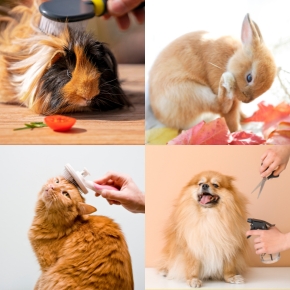
Sunshine, longer days, and summertime adventures are here. But as temperatures rise, so does the need to adjust your pet’s care routine. Grooming is no exception. Here at Avenues Vets, we’ve put together some tips to keep your furry friends cool and comfortable with our summer grooming strategies for dogs, cats, rabbits, and guinea pigs.
If you would like some more advice on pet grooming, or need any help with matting, nail clips and other pet care needs, our Registered Veterinary Nurses at Glasgow are here to help.
Top tips for summer grooming
Brushing up on the importance
Avenues Vets’ nursing team advise that regular brushing is essential all year round, but it becomes especially important during the summer months. Brushing removes loose fur, which can trap heat and make your pet uncomfortable.
- Long-haired pets: Brush daily to prevent matting, which can be a real problem in hot weather.
- Medium-haired breeds: Aim for a few brushes a week.
- Short-haired companions: Weekly brushing is still beneficial.
The summer trim
For some long-haired dog breeds, a summer trim can be a great way to help them stay cool. However, it’s important not to go overboard. A double coat actually provides natural insulation, which is good for temperature regulation, so avoid shaving your dog too short. Ask our nurses or a qualified groomer for advice on the right summer style for your dog breed.
Keeping smaller pets cool
Rabbits and guinea pigs don’t typically need haircuts, but regular brushing is still important. For long-haired rabbits, consider a trim around their rear end to keep them clean and comfortable. Never attempt to shave these small pets yourself, as their skin is delicate and easily injured.
Gentle on the go
Summer often means more outdoor adventures with your pet. After walks or playtime outside, Avenues Vets’ nursing team advise that owners should check their pet’s fur for ticks, fleas, and burrs (small, prickly seed pods or seed heads). Use a pet-safe flea comb and brush to gently remove any unwanted hitchhikers.
Top tips for all
- Hydration is Key: Ensure your pet has constant access to fresh, clean water.
- Beware the Midday Sun: Limit walks and playtime to the cooler parts of the day.
- Cooling Comforts: Provide shady areas for your pet to relax in and consider a cooling mat for them to lie on. Small furry pets may enjoy lying on a cold tile, or against a bottle of frozen water wrapped in a towel.
By following these simple summer grooming tips, you can help your dog, cat, rabbit, or guinea pig stay cool, comfortable, and looking their best all season long.
If you have any questions or concerns about your pet’s grooming needs, don’t hesitate to book a consultation with Avenues Vets’ nursing team at Glasgow. They’re always happy to help!
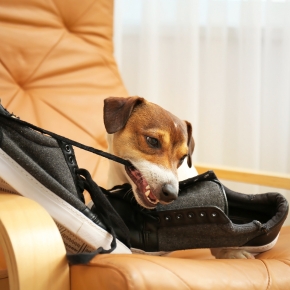
Like us, most dogs are social creatures and like it best when they are around others. This can lead to some dogs feeling anxious when left alone, even for short periods. While it’s important not to leave dogs alone for extended times, some – especially new pets and puppies – might struggle even with brief separations.
If you’re worried your dog might have separation anxiety, our Vet Nicola Armstrong at Avenues Vets can offer guidance and support.
Spotting the signs of dog separation anxiety
Nicola advises that you should look out for these signs that your dog might be getting anxious:
- Pre-departure Jitters: As you get ready to head out, your dog might become restless, or start panting or pacing. They might try to follow you around or scratch at doors and carpets.
- Vocalisations: Whining, howling, or barking are common signs of distress in dogs left alone.
- Destructive Behaviour: The first 15 minutes after you leave can be the toughest for your dog. Their fear might manifest in chewing on something with your scent, seeking comfort from your presence.
- Overly Excited Greetings: When you finally return home, your dog might be super happy to see you, showering you with attention and perhaps following you around the house. They may also urinate on the spot.
Nicola also advises that a pet camera can be extremely useful in spotting the signs of an anxious dog. A camera will allow you to monitor them from just outside your front door so you can assess what’s going on, before you leave for longer.
Helping your dog feel comfortable alone
Nicola wants Lanarkshire dog owners to know there is good news; separation anxiety in dogs can be managed. Here are some tips from Nicola to get you started:
- Ideally Start Them Young: Gradually introduce your dog to being alone for short periods from a young age. Pick a designated area to be their comfortable space. Don’t confine them there only when they’re going to be alone, as they will then associate it with isolation. Instead, make it part of their normal routine to hang out there while you are in the house.
- Create a Safe Haven: Use a baby gate to create a space where your dog can see and hear what’s going on in the house while still feeling secure. Leave them with a tasty chew toy when you pop out for a few minutes, gradually increasing the duration of your absences.
- Normalise Comings and Goings: Avoid over-fussing your dog when you are about to leave and when you return so they don’t associate it with being left alone.
- Make it Cosy: Ensure their safe space has a comfy bed, fresh water, and some chew toys to keep them occupied. Chewing can be calming for dogs.
- Drown Out Distractions: Consider leaving a quiet radio playing to mask any outside noises that might startle your dog.
- The Power of Scent: Leaving an item of clothing with your scent on it can provide comfort for your dog while you’re away.
- Diffuse the Excitement: Let your dog outside for “toilet time” as soon as you return home, before greeting them. This can help to diffuse their initial excitement and keep any ‘accidents’ outdoors.
Need More Help?
If you would like more advice on separation anxiety tailored to your dog, our Vet, Nicola Armstrong, is happy to help. Don’t hesitate to contact us at Avenues Vets.
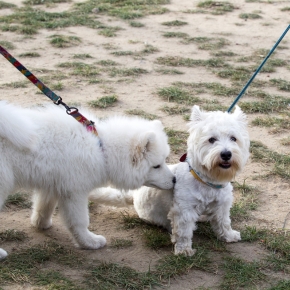
As our beloved dogs age, their behaviour and social skills can sometimes regress. It’s not uncommon for a previously well-socialised dog to develop new anxieties or react poorly in certain situations. This is where refreshing your grown-up dog’s social skills can make a significant difference. In this article, Vet Nicola Armstrong explains how you can help your adult dog regain their social confidence.
Before we dive in, Nicola stresses that it’s important for Lanarkshire dog owners to know that some changes in behaviour can also be linked to pain and illness, especially in older dogs. A vet health check can help identify any underlying issues that might be causing or contributing to your dog’s behaviour changes. Book a check-up at Avenues Vets before starting a re-socialisation journey with your dog.
Why refresh your dog’s socialisation skills
Nicola shares that a well-socialised dog is generally calm, confident, and comfortable in various environments and situations. They can interact peacefully with other dogs and people, displaying natural behaviours like sniffing, playing, and friendly barking. However, if a dog’s social skills deteriorate, they might become fearful or reactive, exhibiting behaviours such as cowering and trying to get away, or loud barking, growling, and even aggression.
Why a dog’s socialisation skills deteriorate over time
- Lack of Regular Practice: Over time, without consistent reinforcement, a dog’s training can slip.
- Life Stage Changes: Older dogs may develop physical issues like stiff joints, making them less eager for play and more prone to defensive behaviours – book a check-up.
- Traumatic Experiences: Negative experiences, such as being attacked by another dog, can lead to increased anxiety and fearfulness.
Try Nicola’s refresher socialisation tips for adult dogs
Before you begin, Nicola says it’s wise to remember that refreshing your dog’s socialisation skills requires patience, a structured approach, and positive reinforcement. Here are some effective strategies:
1. Refresh Basic Commands & Training: Before tackling socialisation, ensure your dog’s basic training is solid. They should respond well to commands like sit, down, stay, and walk nicely on the lead.
2. Acclimatise to New Sounds: If your dog reacts to specific sounds, such as the doorbell, hoover, thunder, or fireworks, you can desensitise them over time by playing recordings at a low volume. Reward your dog when they remain calm, gradually increasing the volume over time.
3. Experience Different Environments: Gradually reintroduce your dog to various environments. Start with calm, familiar places like a friend’s house or your local Lanarkshire park. Reward positive behaviour with treats and praise. Once your dog is comfortable, slowly introduce busier locations like town centres and dog-friendly shops. Garden centres can be an ideal outing for your dog to practice their socialisation skills.
4. Meet Other Dogs: If your dog used to be sociable but has started to regress, this strategy is crucial to re-master to ensure happy and safe adventures together. Introduce your dog to other dogs in a controlled setting. Begin with parallel walks, then progress to off-leash play in secure areas. Always monitor interactions closely to ensure they are positive. Nicola advises choosing a controlled environment away from home, as dogs are naturally territorial over their own space.
5. Join Dog Training Classes: Enrolling your dog in training classes can be beneficial for the both of you. These classes provide structured environments for social interaction and learning new commands, reinforcing positive behaviours.
We hope you found Nicola’s adult dog socialisation refresher tips easy to follow. If you have any queries, we’re always here to help. If you have concerns about your dog’s change in behaviour, book a health check with one of our vets before working through the guide, to find out if pain or an underlying illness could be a contributing factor.
And remember, patience, structure, and positive reinforcement are key. If you encounter challenges, don’t hesitate to consult a professional trainer for guidance.
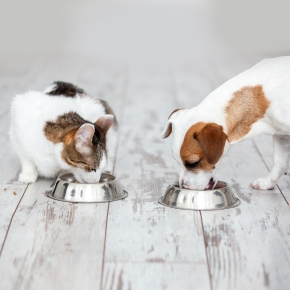
You’re not alone when it comes to having trouble choosing the best pet food for your dog or cat. With 10.5 million tonnes of pet food products sold annually across Europe and a 5.1% annual growth rate for this industry*, it’s no wonder you can feel flummoxed!
Our veterinary team at Avenues Vets have crafted a simple guide to help pet owners in Lanarkshire navigate the process of pet food shopping.
Book a Tailored Nutrition Appointment
As vets, we’re often asked about the vast array of pet food choices on the market. From kitten kibble to senior support, the options can be overwhelming. Yet, there’s a straightforward explanation for this diversity: a pet’s nutritional requirements evolve throughout their lifespan. Let’s delve into why life stage matters in pet food, decipher what “complete pet food” means, and underscore the importance of consulting with a veterinary professional for maintaining your pet’s health.
Life stages of your pet
- Growing Pains: Picture a lively puppy or kitten with endless energy and a hearty appetite, fuelling their adventures and growth. Puppy and kitten food is rich in protein, calcium, and essential nutrients to support their rapid development.
- The Prime of Life: Once your pet reaches adulthood (around 1 year for cats and varying for dogs depending on breed), their growth rate slows down. Adult pet food provides the balanced nutrition they need to maintain a healthy weight, support their immune system, and keep them active.
- Golden Years: As pets age, their bodies change. Senior pet food often has lower calorie content to help prevent weight gain, while containing glucosamine and chondroitin to support joint health.
Our experienced team at Avenues Vets can advise you on all of this – book a tailored nutrition appointment now.
What does “complete pet food” mean?
You might see the term “complete pet food” on packaging. Our vets in Glasgow advise that it signifies the food meets all your pet’s nutritional requirements for their life stage, as set by organisations like the European Pet Food Industry Federation (FEDIAF). This means you don’t need to add any supplements unless specifically recommended by your vet.
Why choose high quality pet food
Think of pet food as the foundation of your pet’s health. High-quality complete pet food, formulated for their life stage, provides the essential building blocks for a long and healthy life. It can also support digestion, skin and coat health, and even cognitive function.
Why consult your vet
While complete pet food offers a balanced base, every pet is an individual. Book a tailored nutrition appointment with one of our vets, who will consider your pet’s age, breed, activity level, and any specific health concerns to recommend the best pet food for their unique needs. They can also help with tricky transitions between life stages and advise on portion control to maintain a healthy weight.
Cats especially need a well-thought-out transition between different foods, as some changes in diet can negatively affect their health.
Our veterinary team at Avenues Vets want pet owners in Lanarkshire to remember: When it comes to pet food, a one-size-fits-all approach doesn’t exist. By understanding the importance of life stage nutrition, choosing good quality complete pet food, and consulting your vet, you’re giving your pet the nutritional foundation they need to thrive at every stage of their life.
Book a Tailored Nutrition Appointment
Did you know you can buy a range of top-quality, vet-recommended complete pet foods at Avenues Vets? Book a tailored nutrition appointment with our team to discuss your pet’s needs.
*Stats from www.europeanpetfood.org


