
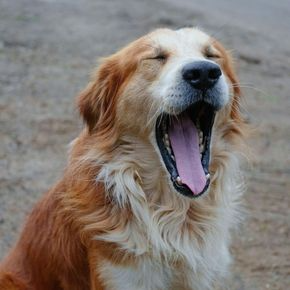
A healthy mouth is more than just a bright smile, it’s a key part of your dog’s overall health and wellbeing. Dental disease is one of the most common issues we see in dogs, yet it is often overlooked until it causes discomfort or visible problems. If you’re looking for dental care services for dogs in Lanarkshire, our veterinary team are here to help.
This Pet Dental Health Month, our vets in Glasgow are highlighting how oral care can directly affect your dog’s health and happiness. If your pet is displaying signs of dental pain or is due a dental check-up, book an appointment at Avenues Vets and our team will take care of them.
The link between your dog’s teeth and their overall wellbeing
Our vets at Avenues Vets explain that problems in the mouth, such as plaque, tartar or gum disease, don’t just stay in the mouth. Bacteria can enter the bloodstream and affect vital organs, including the heart, liver and kidneys. Chronic dental issues can also cause ongoing pain, which may be subtle. You might notice your dog eating more slowly, dropping food, pawing at their mouth, or becoming less playful.
Pain and infection in the mouth can impact behaviour and mood. A dog experiencing dental discomfort may become withdrawn, irritable or less interested in exercise and interaction. By contrast, a dog with healthy teeth and gums is more likely to be active, playful, and comfortable – a key part of their happiness.
Preventing dental problems
Regular dental care is essential. Brushing your dog’s teeth at home, providing vet-recommended dental chews, and scheduling routine check-ups with our vets in Glasgow can help prevent serious issues from developing. During a dental check, our vets can identify early signs of disease, provide professional cleaning if needed and give vital guidance on ongoing care tailored to your dog.
Signs of dental infection
It’s also important to be aware of warning signs. Bad breath, red or swollen gums, broken teeth, drooling or reluctance to eat can all indicate dental problems. If you notice any of these, contact our vet practice in Glasgow promptly as early intervention can prevent pain and more serious health complications.
At Avenues Vets, we believe dental health is one of the cornerstones of a happy, healthy dog. By keeping your dog’s teeth and gums in top condition, you’re not only protecting their mouth but supporting their overall wellbeing, longevity and quality of life.
Book an appointment with our veterinary team in Glasgow and we’ll make sure your dog’s oral health is in tip-top condition.
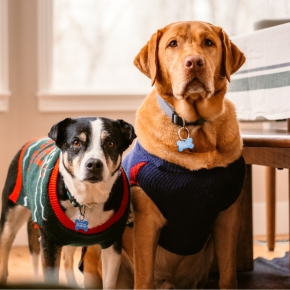
January is Walk Your Dog Month—your canine companion’s happiest time of year no doubt—but with that chill in the air comes challenges. Freezing temperatures and environmental hazards make it harder to keep your pup active and engaged, but not impossible.
If you’re looking for the best ways to keep your dog’s social butterfly status in check, these five activities—compiled by our dog-loving vets in Glasgow—will give you some inspiration!
Need more ideas about how to brush up on your four-legged friend’s social skills during these colder months in Lanarkshire? Book a winter check-up and have a chat with our team at Avenues Vets.
Book your pet’s winter health check
5 Activities for Dog Socialisation in Cold Weather
1. Short winter walks
The perfect activity for Walk Your Dog Month! During daylight hours, take your dog on a short—but exciting—journey through local surroundings, but make sure to be mindful of their unique needs. Small breeds, golden oldies and dogs with a short coat or little body fat feel the cold more than others so if your best friend is starting to slow down, or you see them shivering, it’s time to head back inside. If your dog has lung difficulties or an impaired immune system, consult with our vets in Glasgow about the best way to exercise your dog during colder weather.
2. Visit dog-friendly indoor spots
Dogs like the bustling atmosphere of public spots just as much as their owner, and with the steady rise of dog-friendly cafés, garden centres, shopping centres and pubs, it’s never been so easy to bring your pup along to your favourite spaces. This has a wealth of benefits, including positive social interactions with others—human and furry alike—bonding time between the two of you, and provides gentle exposure to new sights and sounds. So next time you’re on that short winter walk, The Avenues Vets’ team recommend taking a detour—your dog will thank you in the way they know best.
3. Head to an indoor dog park
Even when it’s too cold or raining outside, you don’t have to avoid saying those four important letters in the presence of your pooch – w-a-l-k. Instead, take them to an indoor dog park, so they don’t have to miss out on their favourite activity. Some have agility equipment and best of all, you’ll both be sheltered from the outdoor elements. If you don’t have an indoor dog play area near you in Lanarkshire, why not make one in your home? This leads us nicely onto…
4. Host an indoor playdate
If you have a close friend, neighbour or family member with a loving furry friend of their own, make a date of it. Knock back your dog’s winter blues by creating fun social interactions in a safe, controlled space, which can release endorphins, allow them to burn energy, and provide social opportunities, making this winter your dog’s happiest—and healthiest—one yet.
5. Boredom-busting outdoor activities
Sometimes, the best walk is in your very own back garden. Put your dog’s jumper or coat on and take them outside for a walk or provide unique play activities, such as hiding treats or an obstacle course. This also creates a valuable opportunity for exposing young pups to seasonal changes and sensory experiences, such as wet leaves, ice and snow in a safe, enclosed environment.
If you want to make sure your dog enjoys Walk Your Dog Month and the rest of the cold season as much as possible, book a check-up at Avenues Vets and we’ll help them be their winter best.
Book your pet’s winter health check
Whether you started on January 1st or you’re just getting going now, New Year’s resolutions are still fresh on many minds… and while you’re thinking of the goals you’d like to achieve, remember to share that positivity with your furry friend! It’s a chance to give them a healthier, more fulfilling life – and that means even more time soaking up the unique bond the two of you share.
The thought of writing those pesky resolutions can be daunting, so our vets in Glasgow have come up with a few strategies to make this year the best one yet for your pet. To get started, why not have get some tailored advice from our team at Avenues Vets? That’s one resolution already crossed off!
How to set Pet Health Goals for the New Year
Establish some ground rules
One of the biggest causes of failed New Year’s resolutions is setting unclear or unrealistic expectations – think taking your small pooch for an hour-long adventure in Lanarkshire when they’re used to small walks around the block! Instead, decide what health and wellness means for your pet along with the target areas, and identify specific, reachable goals within these, such as physical and emotional health, mental stimulation, dental routine and behavioural needs.
Healthy diet, happy pet
When it comes to shedding some excess pounds and changing diet, your pet needs you to do the heavy lifting. This means providing them with a well-balanced diet – especially one recommended by your vet – that meets their nutritional needs, sticking to the correct portions, and swapping out calorie dense treats for healthier alternatives. It also means avoiding giving them human food as although it may seem enticing, it can lead to a number of health issues and weight gain, according to our vets in Glasgow.
Get more physical
Doing regular exercise releases endorphins and helps keep your pet (and you) healthy in body and mind. Win-win. Avenues Veterinary Centre’s team recommend setting time aside every day where your pet can get physical – for dogs, this may mean a walk, playing fetch, or an obstacle course indoors if the weather in Lanarkshire is treacherous. For an added bonus, you’re getting involved too, helping you reach your own fitness goals and strengthening the connection between you and your beloved pet – the ultimate support network. For a cat, climbing structures and toys can helping them move more and have fun.
Support their mental health
To prevent boredom, keep them happy and lower the risk of destructive behaviours, it’s just as important to stay on top of your pet’s mental health as well as physical. Along with their much-loved – and half-eaten – toys, make this the year you try new enrichment ideas, such as new activities, training exercises, environments or a puzzle feeder, which supports their problem-solving abilities. Keep them on their furry toes, all year long.
Keep their health in check
It’s better to be too early than too late, and proactive healthcare helps to detect and tackle any health problems as they appear, resulting in better outcomes for your pet. Our vets in Glasgow recommend visiting every six months, but this can vary based on your pet’s age, breed, and health requirements. If you have any questions, just pop in to see us — here’s our opening times.
Book your pet’s new year health check with our caring and compassionate team at Avenues Vets and know you’re already making good progress with your resolutions!

‘Tis the season to be jolly… not stressed out due to a midnight dash to our emergency service in Glasgow!
Every year at Avenues Vets we see a spike in emergency vet visits over the holiday season as pets encounter dangers that can be prevented wth a few extra safeguards in place.
Keep our emergency details handy
Avoidable pet emergencies at Christmas – what owners need to know
It’s all too common…Christmas Eve and the dog’s eaten the chocolate yule log – time to call the emergency vet!
We want to help you avoid these dangers, so here are the three most common yet avoidable causes of emergency admissions that we see at Avenues Vets every year.
Accidental poisoning
Curious pets explore with their mouths. Sadly, many common festive items can be harmful. The Avenues Vets’ team advise that pet owners should keep harmful items out of reach:
- Human food & drink: Chocolate, grapes, raisins, onions, macadamia nuts, and alcohol (to name a few) are all toxic for pets.
- Medications: Keep all tablets and liquids locked away.
- Household chemicals: Wipe up spills of cleaning products or antifreeze straight away.
- Poisonous plants: Lilies, poinsettias, mistletoe and holly berries are festive but toxic.
Ingestion
At Christmas, it’s common to see pets who have swallowed things they shouldn’t. Decorations, ribbons, and tinsel can cause intestinal blockages, while dogs especially may chew and swallow toy parts or cooked bones. Our vets in Glasgow say it’s always important to be mindful of hazards, secure bins, and keep pets away from leftovers.
Table scraps & rich foods
Rich, fatty foods and festive leftovers are a recipe for tummy trouble.
- Cooked bones splinter easily and can puncture the gut.
- Foods high in sugar can lead to weight gain, dental problems and diabetes
- Fatty foods like gravy and roast trimmings may trigger pancreatitis.
A few simple precautions can mean a happier, safer holiday season for everyone—furry family members especially! Here’s our top advice:
- Keep tempting foods and hazards out of reach.
- Don’t leave pets unsupervised around christmas trees, gifts, and party food.
- Dispose of scraps safely.
- Offer pets their own safe festive treats instead!
Our team at Avenues Vets advise that if your pet shows signs of distress, vomiting, or weakness, or even if you suspect they have ingested something dangerous, contact our emergency vet service in Glasgow immediately.
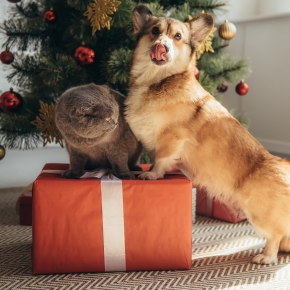
Real Christmas trees are beautiful, but are they the best option when you have pets? At this time of year, our vets in Glasgow often see cases where curious cats, dogs or rabbits have got a little too close to the tree, with unfortunate results.
If you do need urgent help, call our team at Avenues Vets on 0141 643 0404 straight away and we’ll arrange to see your pet as quickly as possible.
See our out of hours emegency vet service information
Which type of Christmas tree is best for pets?
Real Christmas trees
1. Pine needle problems
Pine needles may look harmless, but they’re sharp and non-digestible. If chewed or swallowed, they can cause irritation or even punctures to the mouth, throat, and stomach. Avenues Veterinary Centre’s team share that pets who eat pine needles may show signs such as drooling, vomiting or reluctance to eat. In severe cases, the needles can cause dangerous internal blockages that require emergency care.
Pine trees also contain natural oils (terpenes) that can upset your pet’s stomach or cause skin irritation. Cats are particularly sensitive to these oils and may develop drooling, weakness or tremors after exposure. If you’ve ever wondered “are pine needles toxic to cats and dogs?”, the answer is yes, they are.
2. Troublesome tree water
Our vets in Glasgow explain that Christmas tree water often contains sap and sometimes fertiliser that can cause tummy upsets if pets drink it.
Are plastic trees safe?
The short answer is, not really. If you have an artificial tree, remember they’re not risk-free either, as their plastic or tinsel-like needles can cause choking if chewed.
Call us on 0141 643 0404 straight away if you’re pet has ingested anything harmful.
Our verdict?
We don’t want to be bah-humbug, so our advice is always “think safety first!” Here are a few Christmas tree tips to reduce risk at home:
- Reduce pet access to the tree if you can.
- Failing that, sweep up fallen pine needles daily.
- Secure your tree to a wall if possible to prevent tipping.
- Avoid issues with tree water by securely covering the base of your tree.
- If buying a plastic tree, ensure there are no small detachable parts that could be chewed off and swallowed.
- Tie up loose cables.
- Always choose pet-safe decorations and avoid having tinsel or edible ornaments within reach of pets.
Taking a few simple precautions will maximise the chances of your pets staying healthy and your home festive. Our veterinary team at Avenues Vets love seeing your pets, but we’re sure an emergency admission on Christmas Eve isn’t on your wish list!
Call us for advice or pop into the practice if there’s anything you’re unsure about before the holidays.
Looking for more pet care news? Be sure to check our other seasonal articles for tips from our vets in Glasgow and things you need to know about winter pet care.

As pets get older, it’s natural for them to slow down, but that doesn’t mean they should stop moving altogether. Regular, gentle exercise around Lanarkshire can keep your senior pet’s joints supple, muscles strong, and heart healthy, while also helping to maintain a healthy weight.
Our team at Avenues Vets share easy ways to keep older pets active without overdoing it. Need some advice on putting a pep in your pet’s step? Book an appointment with our vets in Glasgow for a senior health check.
Why staying active matters for older pets
Exercise isn’t just for the young. For senior pets, gentle activity can:
- Support joint mobility and flexibility
- Maintain muscle mass for stability and balance
- Help control weight and reduce obesity risk
- Support heart health and circulation
- Provide mental stimulation and reduce boredom
These benefits can also help prevent or manage age-related conditions such as arthritis, heart disease, and diabetes.
Low-impact exercise ideas for senior dogs
- Short, frequent walks around Lanarkshire: Several 10–15 minute strolls can be easier on the joints than one long walk.
- Gentle games: Indoor fetch with a soft toy or slow-paced scent games keep the brain and body engaged.
- Swimming: A great joint-friendly exercise for dogs who enjoy the water (only in safe, warm conditions).
- Puzzle feeders: Encourage movement and problem-solving at mealtimes.
Keeping senior cats active
- Encourage climbing: Use low or ramp-accessed perches to make jumping easier.
- Interactive play: Wand toys, laser pointers, and rolling balls can get cats moving in short bursts.
- Food games: Scatter feeding or puzzle feeders encourage natural hunting behaviour.
Joint care tips
Older pets may need a little extra support to stay comfortable during and after exercise:
- Warm up with slow, gentle movement before activity
- Provide soft bedding and a warm resting spot
- Use ramps or steps to help them reach favourite spots
- Keep exercise surfaces non-slip to reduce the risk of falls
- At your next appointment ask our vets at Avenues Vets about supplements or medication to support joint health
Enjoy every stage together
Keeping your older pet active doesn’t have to mean strenuous exercise. It’s about gentle, regular movement and activities they enjoy. By staying in tune with their needs and abilities, you can help them stay healthy, happy and full of life for longer.
Regular vet checks are essential
Senior pets should have at least one full health check with our vets in Glasgow each year – ideally every six months – so any changes in mobility, weight or heart health can be spotted early. We can help you adapt their exercise plan as their needs change. Contact our friendly team to book your senior pet’s health check in Lanarkshire.

Dogs are beloved companions in households around Lanarkshire, but even the most devoted owners can face challenges when it comes to behaviour. From barking and chewing to anxiety and aggression, behavioural issues can affect the wellbeing of both dogs and their humans and some of these problems can become more noticeable during the colder months.
In this article, our vets have identified some of the most frequent behavioural concerns. Building a close bond with your dog can help you to cope with some behavioural issues, but it’s also important to get your dog checked by our vets so they can rule out any health issues that may be contributing to their behaviour. We’re always here to support you – just book an appointment with our vets in Glasgow.
Common behaviour problems in dogs
- Separation anxiety – dogs may bark, destroy furniture, or soil the house when left alone.
- Aggression – towards people or other animals, often stemming from fear, frustration, or poor socialisation.
- Recall problems – not coming back when called, which can be dangerous outdoors in Glasgow.
- Destructive behaviour – chewing furniture, digging, or tearing up belongings.
- Jumping up, barking, or attention-seeking – which can be frustrating or overwhelming for owners.
How winter can make things worse
Our vets at Avenues Vets explain that some dog behaviour issues can be exacerbated during winter, especially those linked to routine changes, reduced exercise and environmental stressors. Here’s how:
Separation anxiety
Shorter daylight hours and colder weather often mean fewer outdoor activities around Lanarkshire, and more time indoors. Dogs may get less stimulation, which can heighten anxiety when left alone. The lack of routine walks or playtime can make them restless and clingy.
Destructive behaviour
When dogs are under-exercised or bored due to bad weather, they may turn to chewing, digging or other destructive habits. Mental stimulation becomes even more important during winter months so our veterinary team at Avenues Vets suggest introducing more enrichment activities such as puzzle toys.
Recall and outdoor responsiveness
Cold, wet, or icy conditions can make dogs less responsive during walks. Some may be reluctant to go outside, while others may become overstimulated by snow or wind, affecting recall and focus.
Aggression or irritability
Just like humans, dogs can feel discomfort from cold or damp conditions. Joint pain from arthritis, for example, may worsen in winter, making some dogs more irritable or reactive. If you’re worried your pet may be suffering from arthritis, call us on 0141 643 0404 so we can arrange a check-up.
Attention-seeking behaviours
With less outdoor time and fewer social interactions, dogs may seek more attention indoors. You may witness more barking, jumping up, or pestering for play.
Supporting dogs and their owners
If you’re struggling with your dog’s behaviour, contact our vets in Glasgow. Many issues can be resolved with the right support, and professional guidance can help you understand the root cause of your dog’s actions. However, if necessary, we can recommend a certified behaviourist. Training classes, enrichment activities and positive reinforcement techniques can make a big difference. Even small changes – like adjusting your dog’s routine or providing more mental stimulation indoors – can lead to noticeable improvements.
Final thoughts
Behavioural challenges are part of pet ownership, but they don’t have to be overwhelming. With the right tools and support, most dogs can thrive in a loving home. Understanding and addressing behaviour is not just about solving problems, it’s about building a stronger bond with your dog, especially during the quieter winter months.
If you’re struggling with behavioural changes in your dog or need extra support, then book an appointment with our vets in Glasgow.

Winter car journeys require extra preparation when you’re travelling with furry passengers. Cold weather presents unique challenges that can affect your pet’s comfort and safety, making a few simple precautions essential for stress-free winter adventures.
Our vets at Avenues Vets have put together a list of pointers to check ahead of your trip. Before setting off on winter journeys, consider booking a check-up with our vets. A health assessment ensures your pet is fit for travel. Book an appointment with our vets in Glasgow to make sure your furry friend is ready for a safe and comfortable winter trip.
How to travel safely with pets in cold weather
Pre-journey preparation
- Start your car and allow it to warm up before bringing your pet outside. Our vets at Avenues Vets explain that cold interiors can shock sensitive pets, particularly elderly animals or those with thin coats.
- Check that heating vents aren’t blowing directly onto your pet’s carrier or usual spot, whilst warmth is welcome, direct hot air can cause overheating or dehydration.
- Pack extra blankets for longer journeys around Lanarkshire or further afield. Even with heating, some pets feel chilly during travel and familiar bedding provides comfort alongside warmth.
Safe restraint in winter conditions
Proper restraint becomes even more critical during winter driving. Icy roads increase the likelihood of sudden stops or skids, making unrestrained pets dangerous projectiles.
- Use appropriate harnesses, carriers, or car barriers depending on your pet’s size.
- Never transport pets in the boot during cold weather – temperatures can drop dangerously low and heating rarely reaches these areas effectively.
Temperature management
- Monitor your pet for signs of overheating once the car warms up. Our vets at Avenues Vets warn that panting, restlessness, or drooling suggest they’re too warm.
- Crack windows slightly for fresh air, but be mindful of creating draughts.
- Conversely, watch for shivering or lethargy that might indicate they’re still too cold. Adjust heating or add blankets accordingly.
- If using a dog coat, it’s wise to put this on your dog when you reach your destination to avoid overheating during the journey.
Journey planning considerations
- Check weather forecasts and road conditions before departing.
- Winter storms can extend journey times significantly, so pack extra water and any necessary medications.
- Plan for regular breaks – pets need toilet stops regardless of weather but keep these brief during harsh conditions.
- Keep emergency supplies in your boot: extra blankets, water, food, and basic first aid supplies. If you become stranded, these items could prove invaluable.
Arrival protocols
- Allow your pet time to adjust when reaching your destination. Moving from a warm car into cold outdoor air can be jarring.
- If staying overnight somewhere new, bring familiar bedding to help them settle comfortably.
- Our vets at Avenues Vets remind you to never leave pets unattended in cars during winter. Even with heating off, vehicles can become dangerously cold quickly, and condensation can create uncomfortable dampness.
Special considerations
Short-haired breeds, senior pets and small animals are particularly vulnerable to cold. Consider protective clothing for brief outdoor stops and keep journeys as short as possible during severe weather. Remember that paws can suffer from road salt exposure so wipe them clean after any outdoor breaks to prevent irritation or ingestion when grooming.
With thoughtful preparation, winter car travel with pets can remain safe and enjoyable for everyone involved.
If you’re planning a long trip, a quick vet visit beforehand can make all the difference to your pet’s comfort and safety. Book an appointment with our vets in Glasgow to get peace of mind before you leave.

A good diet doesn’t just keep your pet in shape – it can help them stay younger for longer. At Avenues Vets, we often say prevention is better than cure, and that couldn’t be truer when it comes to food. With more than half of UK dogs and cats now considered overweight or obese, the link between diet and ageing is abundantly clear.
In the article below, our vets in Glasgow offer guidance on choosing the right food and what to avoid. If you’re concerned about the weight of your cat or dog, book an appointment with our team at Avenues Vets and make a healthy start today!
Book a weight or diet check-up
Pet diet advice: how to avoid prematurely ageing your pet
According to our Glasgow vets, excess weight places a strain on your pet’s joints, heart, and other vital organs. It can speed up the onset of arthritis, diabetes, and even poses a higher risk for some types of cancer. But it’s not just about avoiding obesity – imbalanced nutrition can mean your pet misses out on key nutrients that support healthy ageing.
Are you feeding your pet the right food?
Life stage nutrition is important. Puppies and kittens need different nutrients to adult or senior pets, and nutritional needs can also depend on activity levels and a variety of other health factors. Our veterinary team at Avenues Vets recommend choosing a complete, age-appropriate food and adjusting portions based on your pet’s lifestyle and body condition – not just what the label says.
Book a nurse appointment at our Glasgow vet practice and we can help you create the right dietary plan for your pet’s individual needs.
What to avoid
Human food is often too salty, sugary or fatty for pets. It can also be toxic, especially items like grapes, chocolate, onions and some artificial sweeteners (xylitol). Even ‘pet-friendly’ treats should be given in moderation. Aim to keep treats to no more than 10% of daily calorie intake.
Why regular weigh-ins help
Weight gain can creep up unnoticed. Regular weigh-ins at our vet practice in Glasgow mean we can spot subtle changes before they become a bigger issue. Call us to book a weight appointment with our nurses on 0141 643 0404 and we can create a personalised weight-loss or maintenance plan tailored to your pet’s needs.
Keep them young at heart
Maintaining a healthy weight and balanced diet can improve your pet’s mobility, energy, and even lifespan. Think of food as medicine – it has the power to heal, support and prevent future problems. If you’d like to read more information about pet wellbeing, take a look at our pet care news.
For friendly advice on your pet’s diet and wellbeing, contact our team at Avenues Vets and we’ll help you with steps to keep your cat or dog on the road to great health through all life’s stages.

With Pet Diabetes Month on the horizon this November, it’s a great time to raise awareness of this increasingly common condition in cats and dogs. Our vets in Glasgow want to help you recognise the signs early and feel confident about supporting a diabetic pet.
To help you, our team at Avenues Vets have prepared some guidance on how to recognise the signs of pet diabetes and manage treatment. If you notice changes in your pet, don’t wait – book a check-up so we can test for diabetes and start any necessary treatment.
What is diabetes and how does it happen in pets?
Diabetes mellitus occurs when your pet’s body can’t produce enough insulin (or use it properly), meaning sugar builds up in the bloodstream instead of being used as energy. Dogs tend to develop insulin-dependent diabetes, while in cats, it’s often linked to obesity and insulin resistance.
Key signs to watch for:
Pet diabetes often creeps in gradually, so spotting it early is vital. Our vets at Avenues Vets advise to look out for:
- Increased thirst and urination
- Increased appetite with weight loss
- Lethargy
- Sweet-smelling breath
- Cloudy eyes (more common in diabetic dogs)
How is it managed?
Pet diabetes isn’t curable, but it is manageable with the right care. Many pets will need daily insulin injections (there are non-injection options for cats), a tailored diet and regular check-ins with our vets in Glasgow. Many diabetic cats and dogs live happy, active lives once stabilised.
Can pet diabetes be prevented?
Not all cases are preventable, but our team at Avenues Vets explain that maintaining a healthy weight plays a major role – especially in cats. Feeding measured, balanced meals, keeping your pet active, and coming in for annual health checks can all help reduce the risk. Call us on 0141 643 0404 to book your next check-up.
The support you need
Managing diabetes might sound overwhelming, but our vets in Glasgow are here to support you every step of the way. From showing you how to give injections to giving advice on diet choices, we’ll help you build a routine that works for your pet and for you. If you’d like to read more information about looking after your pet’s health and wellbeing, you’ll find further articles in our pet care news.
Worried your pet might have diabetes or be at risk? Book a diabetes check-up with our friendly team at Avenues Vets.


