
Ensuring the health and wellbeing of our canine companions is a top priority. In this article, our vets in Glasgow are emphasising how vaccination plays a crucial role in preventing the spread of infectious diseases and safeguarding the health of dogs everywhere.
So, let’s delve straight into essential information about canine infectious diseases below and our vets’ guidelines on which dog vaccinations are recommended for your furry friend.
Ready to take the first step in protecting your dog?
Book a Dog vaccination appointment today
Why vaccinate your dog
The Avenues Vets’ team of experienced vets know that vaccination is a cornerstone of preventive veterinary care, offering numerous benefits for your dog’s health:
- Disease Prevention: Vaccination helps protect your dog from potentially life-threatening infectious diseases.
- Community Health: By vaccinating your dog, you contribute to the overall health of the canine community in Glasgow and far beyond, helping to prevent the spread of diseases.
- Cost-Effective: Preventing diseases through vaccination is typically more cost-effective than treating illnesses and their complications.
- Peace of Mind: Knowing your dog is protected against common infectious diseases provides peace of mind for you as a pet owner.
Common canine infectious diseases and recommended vaccinations:
When our vets in Glasgow meet a new puppy or adult dog, they want to help them thrive. This includes talking to their owner about the importance of preventative vaccinations that cover the following diseases:
- Canine Distemper: A highly contagious viral disease affecting a dog’s respiratory, gastrointestinal, and nervous systems. Vaccination against distemper is a core vaccination for all dogs.
- Canine Parvovirus: A severe and often fatal disease that primarily affects the gastrointestinal tract. Puppies and unvaccinated dogs are particularly susceptible, making vaccination essential.
- Canine Adenovirus (Hepatitis): A viral infection that targets the liver, causing severe damage. Vaccination against adenovirus is part of the core vaccination protocol for dogs.
- Canine Parainfluenza: This respiratory virus contributes to kennel cough and is often included in the core vaccines, especially for dogs in group settings.
- Kennel Cough (Bordetella): Kennel cough is a contagious respiratory disease, particularly common in dogs who spend time in close quarters, such as boarding facilities, doggy day care, or at dog parks. Vaccination is recommended for at-risk dogs so you should discuss this with one of our vets – book an appointment.
- Leptospirosis: A bacterial infection that can affect the liver and kidneys. The vaccine is often recommended, especially for dogs with outdoor exposure or those in regions with a higher risk.
Tailored vaccination plans:
The specific vaccinations your dog requires can depend on various factors, including:
- Lifestyle: Dogs with active outdoor lifestyles or those frequently in contact with other dogs may require additional vaccinations.
- Age: Puppies require a series of vaccinations to build immunity, and core vaccination booster shots are necessary throughout their lives.
- Medical History: Some dogs may have individual health considerations that impact their vaccination needs. Our vets in Glasgow will consider your dog’s health history when creating a vaccination plan.
- Location: Geographic location can influence the prevalence of certain diseases. Discuss your dog’s environment in and around Lanarkshire with our vets to determine the appropriate vaccinations.
Book a Dog Vaccination appointment:
To ensure your dog is protected against common canine infectious diseases, we recommend booking a dog vaccination appointment with our veterinary practice in Glasgow. Our experienced team are dedicated to providing personalised care tailored to your dog’s individual needs.
Don’t wait – take the proactive step in safeguarding your dog’s health now.
Cat owners cherish the companionship and love their feline friends bring into their lives. However, with the joy of having a cat comes the responsibility of ensuring their wellbeing and contributing to the welfare of the feline community.
One of the most responsible choices cat owners in Lanarkshire can make is to opt for neutering their cats. In this article, the team at Avenues Vets will explore why and how it benefits both individual cats and the larger feline population.
Cat neutering – why it’s the responsible choice
1. Preventing unplanned litters & curbing overpopulation
Perhaps the most compelling reason to neuter your cat is to prevent unplanned litters of kittens, not just for your home, but for the wider cat population. Cats are prolific breeders, and one unspayed female cat and her offspring can produce hundreds of kittens in just a few years. Overpopulation is a serious issue in the cat world and so by neutering your cat, you are actively contributing to controlling the feline population and reducing the number of homeless kittens in and around Lanarkshire.
2. Promoting health and longevity
According to Vet Nicola Armstrong, cat neutering offers several health benefits. It significantly reduces the risk of uterine infections and certain cancers in females and eliminates the risk of testicular cancer in males. Neutered cats are also generally healthier and live longer lives.
3. Behavioural improvements
Neutering can lead to positive changes in a cat’s behaviour. Male cats tend to be less aggressive and territorial, while females are less likely to yowl or exhibit restlessness during their heat cycles. Neutered cats often make for more pleasant and well-adjusted pets.
4. Reducing roaming tendencies
Unneutered male cats have a strong instinct to roam in search of mates. Nicola wants owners to know that this behaviour puts them at risk of accidents, injuries, and encounters with other animals. Neutering can reduce this desire to roam, keeping your cat safer.
5. A more peaceful home
Unspayed female cats can exhibit vocalisations and behaviours that can be disruptive during their heat cycles. Neutering can create a more peaceful and harmonious living environment for both cats and their owners! If you have a multi-cat household, our team can advise you of more ways to keep the peace.
6. Responsible Ownership
Being a responsible pet owner means taking steps to ensure the health and wellbeing of your cat, as well as being considerate of the broader feline community. Neutering is a responsible choice that aligns with these principles.
The take-away message from our article is that neutering your cat is about more than controlling the feline population; it’s also about promoting the health, happiness, and longevity of your beloved pet. It’s a choice that reflects your commitment to responsible pet ownership and compassion for the welfare of cats in Lanarkshire and beyond. Thanks for reading!
If you found our article informative, why not share it with your cat-loving friends?
Spring marks the beginning of a beautiful season in Lanarkshire. It also marks the onset of ‘puppy season’ when the attraction between unneutered male and female dogs will undoubtedly ramp up.
Unplanned litters can be a challenging responsibility. That’s why dog neutering is a crucial step to prevent these. In this article, our Vet Nicola Armstrong will explore the reasons why dog neutering is essential for responsible pet ownership and the wellbeing of our furry friends.
Call Avenues Vets on 0141 643 0404 to chat about dog neutering appointments available at our Woodside Avenue location.
Book a dog neutering consultation
Preventing unplanned litters
Spring is a time when dogs are more likely to roam in search of mates. This increases the chances of pregnancies, which can lead to a number of issues for owners of female dogs, as well as overcrowded animal shelters and homeless puppies (mostly) from strays. To help reduce the influx of spring puppies, Vet Nicola Armstrong says being proactive with neutering will actively contribute to reducing the strain on animal shelters and charities across Lanarkshire.
Health benefits for dogs
Neutering can provide several health benefits for dogs. Nicola advises that it can help to reduce the risk of certain reproductive cancers and eliminates the possibility of uterine infections in females. Neutered males are less likely to roam, reducing their risk of accidents and injuries and becoming separated from you. Contact us to book a neutering consultation.
Behavioural improvements for dogs
Neutering can also lead to positive changes in your dog’s behaviour, according to Nicola. It can often reduce territorial marking, aggression, and the desire to roam. This can result in a happier, more well-adjusted pet. Also, without having to worry about pregnancies or mating behaviours, you can provide better daily care and attention to your pet. Being ‘in season’ and phantom pregnancies are no fun for pet or owner.
Financial & health problems
Unplanned litters can lead to unexpected financial burdens, including giving them the best puppy nutrition – ask our team about this. Plus, you will need to ensure they are in good health to be adopted by a new a family, and you will have to carry out the correct research to find their perfect homes. This can be a strain on finances and time. Neutering your dog is a cost-effective way to avoid these unexpected expenses and potential health problems for your female dog during the birth.
In conclusion, neutering your dog is an essential aspect of responsible pet ownership, and it becomes even more critical during puppy season. So as spring arrives, Avenues Vets is asking owners to consider the benefits of dog neutering and to play their part in creating a better future for our four-legged friends. Contact us on 0141 643 0404 to discuss dog neutering today.
Bringing a small furry pet into your home is an exciting and rewarding experience. However, if you notice that your new pet has a pregnancy bump, it can be a surprising and concerning discovery.
Vet Nicola Armstrong at Avenues Vets advises that whether you adopted a guinea pig, a hamster, a mouse, or another small furry friend, it’s crucial to understand what’s happening and how to handle the situation responsibly. In this article, we’ll explore what to do when your new small furry pet has a pregnancy bump and provide guidance for a smooth and safe journey ahead.
Contact our team for more advice
- Confirm the pregnancy: The first step is to confirm whether your small furry pet is indeed pregnant. Observe any changes in their behaviour and body shape. Look for a noticeable increase in abdominal size. If you have any doubts, contact us to book a check-up with one of our vets. If your guinea pig is pregnant, it is wise to get them checked over as soon as possible as females over six months of age can experience birthing difficulties if this is their first litter.
- Separate the sexes: Nicola wants to stress to new owners that if you have multiple small furry pets, it’s crucial to separate the sexes immediately to prevent further pregnancies. Some small furry species are known for their rapid breeding capabilities, so swift action is essential.
- Provide proper housing: Ensure that your pregnant pet has a suitable and stress-free environment. Provide them with a clean, comfortable, and spacious cage or enclosure with adequate bedding and nesting materials. A quiet and dimly lit area can help reduce stress.
- Offer a balanced diet: Pregnant small furry pets require a well-balanced diet rich in nutrients. Contact our small animal team for dietary recommendations tailored to your pet’s species. Fresh water should always be available.
- Limit stress: Nicola advises that you should minimise handling and disturbances during the pregnancy, as stress can negatively impact the mother and her offspring. Allow her to nest and prepare for the arrival of her babies in peace.
- Prepare for birth: Research the specific needs of your small furry pet species during labour and birth. Different species have different requirements, so ensure you are well-informed about what to expect and how to assist if necessary. Get in touch if you’d like advice on this from our team.
- Seek professional advice: If you are unsure about caring for a pregnant small furry pet or the birthing process, book an appointment with our vets who can provide valuable advice and assistance.
- Finding homes for offspring: Be prepared for the arrival of baby animals. Make arrangements to find responsible and caring homes for the offspring once they are weaned and ready to leave their mother.
Discovering that your new small furry pet is pregnant can be a surprise, but with responsible care and proper guidance, you can ensure the wellbeing of both the mother and her offspring. To summarise the points above, Vet Nicola Armstrong recommends that you take steps to confirm the pregnancy, provide suitable housing and nutrition, and be prepared for the arrival of baby animals.
Responsible pet ownership extends to all aspects of your small furry pet’s life, including unexpected situations like pregnancy. By taking the right actions, you can ensure a safe and healthy experience for your pet and their babies. We’re here to help – contact our Woodside Avenue team for advice.

As winter coats the roads of Lanarkshire with ice, you will often see the flashing orange lights of salt spreaders out and about to make the roads safe. You will also likely see salt being spread on pavements and car parks for the same reason, however, some of it can be difficult to spot.
While this solution is effective for human safety, it poses a hidden danger to our four-legged friends. Road salt, or rock salt, may keep roads and pavements clear and preventing slipping, but its impact on dogs can be quite hazardous.
Contact Avenues Vets on 0141 643 0404 if you have any concerns about your dog’s health.
What is road salt?
Road salt is typically composed of sodium chloride, calcium chloride, or magnesium chloride. It is used to lower the freezing point of water. When sprinkled on icy roads and paths, it prevents the formation of ice and helps make surfaces safer for vehicles and walkers.
The dangers of road salt for dogs
Paw irritation & dehydration
According to our vet Nicola Armstrong, the most immediate risk for dogs is the irritation road salt can cause to their paws. When dogs walk on salted surfaces, their paw pads can become cracked, dry, and painful. This can lead to discomfort, limping, and difficulty walking.
Road salt is a desiccant, which means it can absorb moisture from a dog’s paws and skin. Extended contact with road salt can lead to dehydration and skin issues.
Oral ingestion
Dogs are known for their inquisitive nature and may lick or chew their paws after walking on salted surfaces. In doing so, they can ingest road salt, which is toxic to dogs when consumed in significant quantities causing:
a) Digestive issues
Ingesting road salt can lead to gastrointestinal upset in dogs. Symptoms may include vomiting, diarrhoea, drooling, and abdominal pain.
b) Salt toxicity
Nicola stresses that the most severe risk is salt toxicity, which can occur if a dog consumes a large amount of road salt. This can lead to symptoms such as excessive thirst, tremors, seizures, and, in severe cases, even death.
How to prevent road salt related issues
- Protective Paw Balm: Nicola suggests considering using a paw balm or wax to create a protective barrier on your dog’s paw pads before going outside.
- Booties: Dog booties provide excellent protection from road salt, keeping paws dry and safe.
- Avoid Salted Areas: Whenever possible, avoid walking your dog on salted surfaces. Choose areas with minimal salt use.
- Wipe Paws: After walks, wipe your dog’s paws with a damp cloth to remove salt and prevent ingestion.
- Indoor Rinsing: Rinse your dog’s paws with warm water when returning home to remove salt residue.
- Pet-Friendly Salt: If you need to use salt on your property, choose pet-friendly, non-toxic alternatives.
- Supervision: Always supervise your dog when they’re outside, especially around areas treated with road salt.
In conclusion, road salt is essential for human safety during winter but it poses several risks to dogs in Lanarkshire. By taking proactive measures to protect your dog’s paws and avoid salted areas, you can ensure their safety and wellbeing during the winter months. Remember that Nicola and the team at Avenues Vets recommend that a little extra care can go a long way in keeping your furry companion healthy and happy.
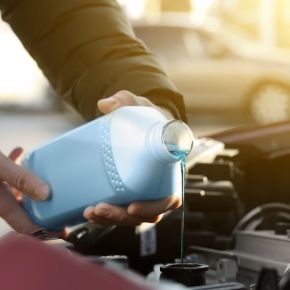
Antifreeze is something that most pet owners living in Lanarkshire will have around their house once it comes to winter. However, even the smallest amount can be highly dangerous for your cat. The primary danger comes from ethylene glycol which is toxic to cats.
This substance is highly dangerous for dogs too and can have the same affect.
If you even suspect your pet could have ingested antifreeze then contact Avenues Vets immediately on 0141 643 0404.
Why cats like to lick antifreeze
The reason antifreeze is so appealing to cats (and dogs) is the sugary taste. They tend to try and lick it off the driveway and once ingested, ethylene glycol is rapidly absorbed into their bloodstream. Once your cat’s liver metabolises the toxin, the by-products produced, which include oxalate crystals and acids, cause severe damage to the kidneys and other organs. Acute kidney failure in cats due to antifreeze poisoning, can be fatal and painful – prompt treatment is best to provide your pet with the best chance of recovery.
Call our team immediately on 0141 643 0404.
Symptoms of antifreeze poisoning in cats
All of the symptoms of antifreeze poisoning can occur within 24 – 72 hours of ingestion. Symptoms to look for include:
- Vomiting
- Diarrhoea
- Lethargy
- Loss of coordination
- Seizures
- Signs of kidney failure including increased thirst and urination
If your cat is admitted to Avenues Vets with suspected antifreeze poisoning, treatments can include induced vomiting, administering activated charcoal and providing intravenous fluids to support kidney function.
Protect your cat
To protect your cats (and dogs), be diligent about keeping antifreeze containers securely closed and stored out of reach. Clean up any spills immediately, and consider using antifreeze products that contain propylene glycol, which is less toxic but still not entirely safe if ingested in large quantities. Contact Avenues Vets immediately if you are concerned about your pet or if you know they have been exposed to antifreeze.

Just like with all mammals, keeping your small furry pets exercised is essential for their physical and mental wellbeing. The nurses at Avenues Vets have put together their advice on how best to exercise your small furry pets.
Our team love seeing your small furry pets thriving – share photos with us on Facebook of how you exercise your small furry pets for the chance of having your pet shared on our page!
Exercise in their enclosure
Whether you have a hamster, gerbil, pet mouse or a fancy rat, most small furries love to play and explore. Check out our Glasgow vet nurses’ exercise suggestions below.
- Exercise wheels: A wheel is a must-have for most small furry pets*. Choose an appropriate-sized exercise wheel that allows your pet to run without arching their back and make sure the surface is solid to prevent injuries.
- Climbing structures: Our vet nurses recommend providing climbing opportunities, such as ropes, branches and ladders to help your pet exercise and explore vertical spaces.
- Toys: opt for interactive toys specifically for hamsters, gerbils, mice and rats, and rotate them regularly to avoid boredom. Enrichment toys and tunnels/balls will provide your pet with hours of entertainment.
*It’s important to know that exercise wheels are too dangerous for guinea pigs and should not be used, nor should climbing structures that cannot support their body shapes and weight.
Exercise outside of their enclosure
All small furry pets can become bored which is why it’s essential to vary your hamster, gerbil, guinea pig, rabbit and pet mice and rats’ exercise activities. You can achieve this through time outside of their housing with these aids:
- Playpen: Setting up an external playpen or enclosure where your pet can explore and play outside of their cage. Use tunnels, hideouts, and toys to create an enriching environment.
- Obstacle course: Create a mini obstacle course using cardboard boxes, tunnels, and small toys. Encourage your pet to navigate through the obstacles for mental stimulation and exercise.
- Hide and seek: Our vet nurses advise that your small furries will love this one – hide small treats or pieces of fresh vegetables around your pet’s enclosure. This stimulates their natural foraging instincts and keeps them active and happy.
- Supervised outdoor time: If your pet can safely enjoy outdoor time, consider taking them outside in a secure, escape-proof playpen or harness. Ensure they are protected from predators lurking in and around Glasgow and environmental hazards.
- Social interaction: Many small furry pets are social animals (usually except hamsters) and benefit from interacting with their owners. Gently handle and play with your pet to provide mental and physical stimulation.
Remember that small furry pets have varying exercise needs and preferences and it is important to tailor their exercise routine to their species and individual personalities. For personalised advice on your own pet’s exercise requirements, contact Avenues Vets on 0141 643 0404.

A house move is a big change for the whole family to process. The team at Avenues Vets understand that this is often a stressful and turbulent time, but Veterinary Surgeon Nicola Armstrong is urging dog owners to not forget how their pets could be coping with the upheaval.
To help dog owners in Lanarkshire with a house move, Nicola and our veterinary team at Avenues Vets have put together advice on how your canine companion can learn to accept a house move. This will make the process a lot smoother for owners and their dogs. Our experienced team of dog vets are available to advise on an individual basis too, just book an appointment ahead of the big day.
Why not share this article with friends and family that might be moving house soon? Copy the URL or use the social sharing buttons in this article.
1. Keeping to your dog’s routine
Our Glasgow team know that most dogs and their owner have a daily routine. This may fluctuate slightly, but on the whole, it is highly likely your dog is fed, walked, played with and cuddled at a similar time every day.
As you are moving house, it will help your dog to adjust if you stick closely to this routine. Your behaviour and feelings will also have an impact on your dog’s stress levels. Trying to remain calm will in turn help your dog to react and behave as normal.
If you have the option of introducing them to your new home beforehand, it could help them to settle in more quickly. If not, then try to take them on some new local walks to get them used to the neighbourhood.
2. Your old home
Packing your home up into cardboard boxes can often be emotional and time consuming. Especially if there is a dog ‘trying to help’!
Vet Nicola Armstrong recommends packing gradually so your dog will get used to the changes in their living environment over time. Also, keep their bedding and toys out for as long as possible. These familiar belongings will help to provide them comfort if their old home is starting to look a little different in the run up to the move.
3. Moving day
Once you arrive at the new house, you need to ensure your dog is safe and secure as your belongings are unloaded. If possible, set up a safe space in your new house immediately for your dog. Use their normal bed, blankets, toys and bowls and work on positive associations. The scents of their items will help to make them feel at ease in an unfamiliar environment. You will need to be patient with your dog during this transition period. Work on establishing their routine in the new home and stick to it as closely as possible in the beginning.
4. After you have moved in
There will undoubtedly be a lot of administration to complete once you have officially moved into your new home. On this list, make sure you include updating your pet’s microchip details and also updating your account details here at Avenues Vets.
Nicola believes that if you follow the guidance set out in this article, you are providing your dog with the best chance to become happy and settled in their new home as quickly as possible. If your dog suffers from anxiety, or you are concerned that a house move could affect them more seriously, contact us so we can help you make a plan.
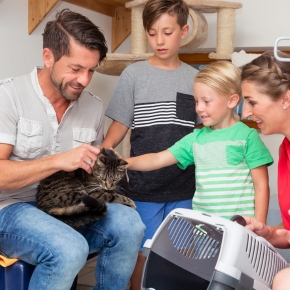
Adopting a cat from a rescue centre can be a wholesome way to introduce a new feline friend to your family. To help this process run smoothly, the team at Avenues Vets have put together advice on what you should be asking rescue centres during the adoption process.
Please remember, adopting a cat is a big responsibility that should not be taken on lightly. Avenues Vets urges owners to do plenty of research on cat care before making any big decisions.
The team at Avenues Vets are happy to answer any questions you may have about caring for a cat, just contact our team on 0141 643 0404.
What should I ask the rescue centre when adopting a cat?
Before heading to a rescue/rehoming centre, it’s important you sit down and gather some ideas as to what type of cat would be most suitable for your family. Research different breeds and their typical characteristics, as well as if there are any that are predisposed to certain medical conditions. Avenues Vets also recommends discussing your needs with the rescue centre staff. They know each of the cats in their care and want to ensure that they go to the correct home. Opening the discussion will help both you and the centre to match the perfect cat to your family.
1. Background information
Avenues Vets recommends asking what is known about the cat’s history and how they ended up at the rescue centre. This will give you valuable insight into their past experiences and whether they could have any behavioural or medical issues. It could also identify whether the cat is used to other cats, pets, or children.
2. Assessments for health and wellbeing
One of the benefits of rehoming a cat from a rescue centre is the fact they will have a full assessment done prior to any adoption process. This assessment will cover things like their behaviour and any potential or underlying health conditions that may need treating. This information will help you and your family make an informed decision when choosing your new cat.
3. Medical conditions and preventative care
Avenues Vets wants to urge new cat owners to research the benefits of vaccinations and neutering. Most rescue centres will have policies in place to protect the animals, which typically include having them neutered and vaccinated prior to rehoming. However, by understanding why this happens, it shows that you understand the practical side of pet ownership.
4. Training
Make sure you ask the rescue centre about your chosen cat’s training. Whether they are house trained and are happy being groomed and petted will make a big difference to the start of your journey together.
5. Special considerations for your chosen cat
Does your chosen feline require a certain type of living environment? Do they seem frightened of loud noises? Are they purely a house cat or do they need to roam?
Understanding what the cat needs before you go through the adoption process will help you to understand if your feline friend is the right fit for your home and family.
When it comes to rehoming cats, our knowledgeable team of cat vets are happy to advise you about how to care for your cat once you get them home, as well as what veterinary care they will need at this stage of their life. Contact us on 0141 643 0404 and don’t forget to register your new cat with Avenues Vets – we can’t wait to meet them!

Once all the hustle and bustle of Christmas is over and you’ve had time to decompress, you will be able to consider whether adding a new small furry pet to your family is a wise decision. Our team at Avenues Vets want to make your decision a little bit easier by providing potential new pet owners in Lanarkshire information on each small furry pet!
What to know about owning a small furry pet
Don’t let their physical size fool you – small furry pets require a lot of time but in return, they will provide you with loving companionship and hours of fun every day.
Responsibilities
Before you decide on which small furry pet could join your family, make sure you have discussed their care regime and responsibilities. As well as daily fresh food and water, your pet will also need regular enclosure cleaning, enrichment, and exercise – all of which must be tailored to the individual pet and their needs. You must invest into a safe and secure enclosure for them and keep on top of preventative care to ensure your small furry pet will stay happy and healthy.
Families with small children will also have to take extra care when it comes to handling and exercising their small furry pet – as pure as their intentions may be, sometimes younger children are rougher when it comes to handling and they could easily injure your pet.
The veterinary team at Avenues Vets urge those who are considering a small furry pet to do plenty of research on the care needs of that pet before purchasing. This way, you can set up the perfect environment for them before they even arrive at your home!
Popular small furry pets
Here are some of the most popular small furry pets we treat at our Glasgow clinic. For more information on any of these pets, contact us on 0141 643 0404 and we can arrange a discussion with one of our knowledgeable and experienced veterinary nurses.
Rabbits
Rabbits are popular pets and can be kept both indoors and outdoors. They need ample space, social interaction, and proper care to thrive. While rabbits can be great family pets, they often have delicate spines and can become stressed by improper handling, which can lead to injuries. They require careful and gentle interaction.
Guinea pigs
Guinea pigs are sociable and vocal animals that enjoy interaction. The Avenues Vets’ veterinary nurses advise that they require spacious enclosures and should ideally be kept in pairs or groups. They will definitely keep you entertained with their range of noises!
Hamsters
Different species of hamsters, such as Syrian hamsters and Dwarf hamsters, are popular choices. They are relatively low-maintenance and can be kept in cages. Some dwarf hamster species, such as Roborovski hamsters, are incredibly small and quick, making them difficult for young children to handle safely without accidentally injuring or losing them.
Gerbils
According to our pet-loving team at Avenues Vets, gerbils are active and social animals that thrive in pairs or small groups. They require a larger cage with plenty of space for burrowing and digging.
Mice
Pet mice are known for their playful and curious nature. They require a secure enclosure and social interaction.
Rats
Domestic rats are intelligent and friendly pets that can form strong bonds with their owners. They need socialisation, mental stimulation, and a larger cage. Did you know that pet rats are called ‘fancy rats’?
Share photos of your ‘fancy rats’ on our Facebook page and make our day!
Ferrets
Ferrets are energetic and inquisitive pets that require mental and physical stimulation. They need a specialised diet and regular playtime, but their energy levels might be overwhelming for young children.
Chinchillas
Chinchillas are known for their soft fur and playful personalities. They require specialised care, including dust baths and proper nutrition. Chinchillas have delicate bones and are easily stressed by loud noises or rough handling, which may not be suitable for young children.
Degus
Degus are social and active animals that require companionship and a larger cage with opportunities for climbing and exploration. They can be sensitive to handling and may not be suitable for young children who might not understand their needs.
Please note: many of these small furry pets are social animals, which means you will have to think about pet neutering or only keeping pets of the same sex to avoid unwanted pregnancies.
Our vets can advise on neutering and other care for small furry pets. Contact our team on 0141 643 0404 for more information.


