
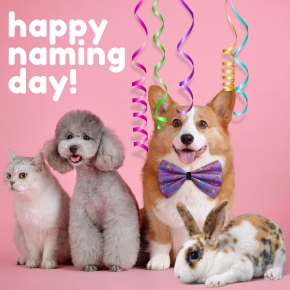
Choosing a name for your new companion is an exciting milestone in pet ownership, but with so many options to choose from, where do you start? Fear not, fellow pet lovers! Our nursing team at Avenues Vets have pulled together some fun ideas to help you find the perfect name to get your pet wagging, purring, or hopping with approval!
Call 0141 643 0404 and tell us all about your new pet and their snazzy name, and we’ll get them registered right away. You can also register via our website:
Five Fun Ways to Choose Your Pet’s Name
Have fun with our vet nurses’ ideas below, and let us know if your new pet is a “Rachel” or a “Phoebe”, or if “Sir Wriggle Bottom” gets the vote!
- Let Their Personality Shine: Our nurses recommend taking a moment to observe your pet’s unique quirks & characteristics. If your cheeky kitten has a mischievous streak, maybe “Cheeky Chops” suits them to a tee. If your dapper dog is always ready for an adventure, “Captain Pawsome” could be the paw-fect name!
- Get Inspired by Their Appearance: Does your long-haired cat’s luxurious coat resemble a lion’s mane? If so, “Simba” might be just the name to match their regal presence. Is your bouncy bunny blessed with floppy ears that could rival Dumbo’s? How about “Nelly”?
- Think Outside the Box: Don’t be afraid to get creative and think beyond the usual pet naming conventions. Consider naming your pet after your favourite book character, a beloved movie star, or even your favourite food! Just imagine calling for “Spaghetti” at the dog park or snuggling up with “Princess Paws – Breaker of Biscuits” on the sofa. Our Glasgow veterinary nurses do love it when they see a “Piglet” (the dog) or a “Badger” (the hamster) too!
- Keep It Simple: While a unique and creative name can be fun, a name with easy pronunciation can sometimes work best. Shorter names with distinct sounds may be easier for pets to recognise and respond to, such as “Bella” and “Teddy”. Consistency of use and association with positive experiences will help your pet to learn their name.
- Trust Your Instincts: When it comes down to it, the most important thing is choosing a name that feels right for you and your pet. Trust your instincts and go with the name that makes your heart sing and your pet’s face light up. If that means calling your vocal cat “Dolly Parton” or your miniature dachshund “Sausage Roll”, so be it!
We hope you love these ideas from our Glasgow nursing team as much as we do. Unleash your creativity and let the naming adventure begin!
We can’t wait to meet your new best friend! Register their new name via our website, or give us a call on 0141 643 0404.
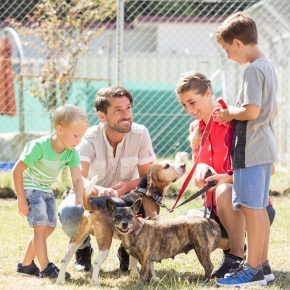
Welcoming a new pet into your home is an exciting and rewarding experience. Whether you’re considering a dog, cat, or a smaller pet, finding the perfect companion requires careful consideration and observation. In this guide from Avenues Vets, we’ll explore the positive traits to look for in a new pet to ensure a happy and harmonious relationship for years to come.
Our veterinary team in Glasgow can’t wait to meet your new bundle of joy! Register them with us and book their first appointment for unrivalled pet care from day one.
What to consider when choosing a new pet
Compatibility with your lifestyle & costs
When choosing a new pet, our Glasgow vets and nurses stress the importance of compatibility with your lifestyle. Factors such as species, size, energy levels, grooming needs, and nutrition should align with your routine for a seamless fit. Remember, pets for children often become parental responsibilities. Consider all costs, including healthcare, housing, and insurance. Plus, how would a new pet fit in with any current pets? Our team are here to discuss the care needs of different pet species before you commit – reach out.
Where to get a new pet from
From dogs, cats, rabbits, small furies and even exotic pets, there’s an abundance of loveable pets just waiting to be adopted in Glasgow and beyond. Professional rescue centres typically conduct home checks to ensure ideal pet-owner matches. Alternatively, opt for reputable breeders showcasing both mother & offspring in a caring environment and enquire about medical history and upbringing practices. Be cautious of breeders unwilling to provide necessary information – a red flag. Buying a small furry or an exotic pet from a pet shop? Check the shop’s reputation online and look for cleanliness and good practices in-store before you buy from them.
What to lookout for in a new pet
- Confidence & Sociability: A confident and sociable pet adapts well, interacts positively, and enjoys a fulfilling life. Look for curiosity, friendliness, and ease of interaction when choosing. Temperament and behaviour issues are crucial considerations.
- Good Health & Vitality: Our vets in Glasgow recommend that you assess potential pets for health & vitality. Look for clear eyes, a shiny coat, and a healthy weight. Check for signs of alertness, energy, and enthusiasm. Ask about medical history and vaccinations too.
- Healthy Parents & Genetics: Consider the health and genetics of the pet’s parents, as they significantly influence the pet’s future wellbeing. Responsible breeders provide information about lineage and health screenings, ensuring a strong foundation for the pet’s health.
- Responsiveness to Training & Handling: Observe how they respond to training and handling during interactions. Look for signs of attentiveness and eagerness to learn. A pet who responds positively to training and handling is easier to bond with, teach new skills, and integrate into your life.
Finding the perfect pet requires a thoughtful assessment of various factors, so, take your time, do your research, and trust your instincts. And, we’re here to help if you’d like more advice – just get in touch!
Register and book your pet’s first appointment with us right away.
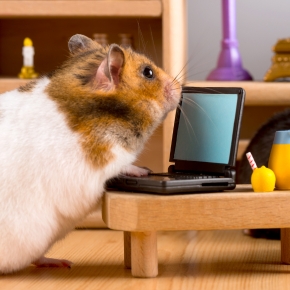
So, you’re about to embark on that long-awaited holiday, but what about your furry friends left behind? Don’t fret; Avenues Vets have got you covered with a prep guide so thorough that your small animal(s) will be in safe paws!
Whether it’s guinea pigs, hamsters, gerbils, fancy rats, or pet mice holding down the fort, there are a few things you can do before you go to ensure their comfort and care. From summer-proofing their digs to briefing the pet sitter, here’s your ultimate small pet pre-holiday check list from our Glasgow team.
3 things you can prepare before you go away:
- Summer Care: If it’s going to be warm, move your pet’s hutch/cage to a cool, shaded area away from direct sunlight. Protect it with flyscreens or netting to keep mozzies & flies away.
- Pre-holiday Checkup: Schedule a check-up for health, teeth and nails before your trip with Avenues Vets and let our team know who will be in charge of your pet’s care while you’re away.
- Boredom Busters: Ensure your guinea pig, hamster, gerbil, fancy rat or pet mouse has plenty to keep them entertained. Choose enriching toys like treat balls, tunnels, foraging trays and digging boxes. For guinea pigs, avoid items that require climbing to avoid injury.
4 things you should provide your small animal pet sitter with:
- Your Pet’s Housing: If your sitter is caring for your pet at their house, have them take your pet’s cage or at least their bedding as small pets like familiarity.
- Food & Water Bowls/Bottles: Provide enough for the length of your trip and spares for cleaning-out days.
- Medication: Provide any medication and instructions on how to administer it.
- Vet Information: Include the address & phone number and your vet’s name if you see the same one regularly.
5 things you want your pet sitter to take care of:
- Routine: Document your pet’s daily routine including feeding, exercise, grooming and essential cleaning tasks such as daily poop & dirty bedding removal. Let your holiday sitter know when your pet is most active and when they like to sleep. Limiting changes to your pet’s routine will help to reduce any potential stress they may feel when you’re away.
- Nutrition & Hydration: Stock up on food and create a meal plan for your pet sitter, including treats, to maintain your pet’s health & happiness. Water should be changed daily and water bottles checked for blockages. If you have any questions about small pet nutrition, our Glasgow team are happy to help – call us on 0141 643 0404.
- Cleaning: Cleanliness should be maintained by replacing bedding and removing faeces daily, and conducting weekly hutch/cage cleaning sessions to prevent health issues. If your guinea pig sometimes needs their bottom cleaning, be sure to demonstrate this too.
- Gentle Handling & Separation: Instruct your pet sitter on proper handling techniques to prevent falls and ensure safety by keeping your pet close to their chest or lap. Also, if you have unneutered girls and boys, ensure your pet sitter knows to keep them apart!
- Health Awareness: Educate your pet sitter on signs of common guinea pig illnesses like flystrike, loss of appetite, and bacterial pneumonia. Emphasise the importance of prompt veterinary care if symptoms arise. If you would like advice on any of these, just ask our team.
So that’s it, your ultimate guide to pre-holiday planning that should ensure your Lanarkshire small animal pet sitter is well informed and your pet has everything they need for a trouble-free time.
Any questions, we’re always here to help! Before you go, remember to book a visit to our Glasgow vet practice to ensure your guinea pig, hamster, gerbil, fancy rat or pet mouse is in tip top condition.
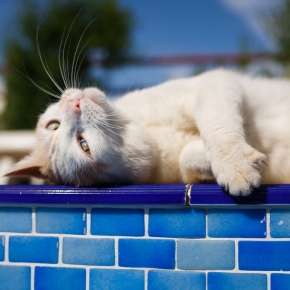
The purrrfect scenario for your cat’s summer holiday (the one they have when you go on yours) is a live-in butler taking care of their every need, while they nibble on a tuna platter and bask in the sunshine… #CatGoals
The more likely scenario is for a friend or family member to stay at your house or a neighbour who will pop in a few times a day. If you don’t have anyone to do this, a professional pet sitter in Lanarkshire is another option.
To get the best holiday cat care and limit changes that could unsettle your feline friend, we surveyed a number of cats (may have been cat owners) in Glasgow to find out what they really want from a pet sitter.
Before you go away, it’s wise to book a health check for your cat to ensure they’re ready for ‘their’ vacation.
Book a pre-holiday cat check-up
What your cat really wants from a pet sitter
According to our Glasgow veterinary team’s findings, here are the seven top things your cat would benefit from when you’re away:
- Usual Meal Times (or as close as possible): This is so your cat knows when to arrive (probably from upstairs) for food. Keeping to their normal routine will reduce potential stress and encourage wanderers to come home at their normal hour.
- A Bowl of Tap Water or Rainwater: A fresh supply of your cat’s drink of choice is a must.
- Litter Trays Cleaned Daily: Especially important in warm weather to avoid flies laying eggs.
- Companionship & Cuddles: These can calm your cat when their favourite humans are away.
- Kitty Playtime: Let the sitter know what your cat likes to play with, and how, to keep your cat active and mentally stimulated.
- Wellbeing Checks: Did your cat come home for their evening meal? Do they have any obvious signs of discomfort or illness? Do they have a chunk missing from their tail following a cat fight – we’ve seen this many times… Your pet sitter can call us if they are concerned on 0141 643 0404.
- Vet Care: Give your sitter any current medication and instructions, as well as the details of our vet practice just in case a ‘cat-astrophe’ should occur!
If you don’t have anyone close you can ask to look after your cat while you’re away, you might be wondering how to choose a responsible pet sitter in Lanarkshire? Your cat is most likely the centre of your universe, so you’ll feel better while you’re away if you know that someone trustworthy and knowledgeable is taking care of their needs. Our Glasgow team recommend checking:
- References: Can they provide contact details for other pet owners they have worked with?
- Knowledge: The sitter should be able to spot signs of ill health and be aware of any specific issues. If your cat needs regular medication, they should be capable of administering it.
- Quality Time: The person should be willing to offer adequate companionship.
- Insurance: If your pet sitter is a professional, they should be insured so check their documents.
Feel free to call us on 0141 643 0404 if you would like any further advice about ensuring the best holiday care for your cat’s needs, and wants!
And remember to book a cat health check before you go away.

If you haven’t booked your dog-friendly UK holiday for 2024 yet, The Avenues Vets’ team have pulled together some fantastic destination ideas that your whole family can enjoy.
A UK staycation has many benefits including an abundance of pet-friendly accommodations, parks and days out, they’re cost-effective compared to travelling abroad and you’ll likely have easy access to veterinary care (just in case).
Although, to help you avoid an emergency vet visit when you’re on holiday, check out The Avenues Vets’ quick guide:
How to avoid vet visits on holiday
Best UK dog-friendly holiday spots for 2024
As voted for by The Avenues Vets’ vets & nurses:
1. Dog Friendly Holidays in Bude
Bude in Cornwall is a fantastic place to take your dog on holiday. There are several Bude beaches packed with soft sand for your dog to roll about in. Summerleaze Beach and Crooklets Beach do have restrictions between May and September (10am-6pm), but that just means if you go outside of these times, you’ll have more beach space to enjoy! Bude has lots of dog-friendly restaurants and cafes, and you can take your dog into many shops. Here’s a look at more dog friendly beaches in Bude and more things to enjoy: Dog friendly Bude
2. Dog Friendly Holidays in Anglesey
Anglesey is a real treat. Situated on the tip of North Wales, you and your dog will have over 125 miles of coastal paths to explore. Set your dog’s senses alight with walks through fishing villages, woodlands, over cliff tops, and head down to the many dog-friendly beaches. Here are even more things to do in Anglesey with your dog: Dog Friendly Anglesey
Have you been to Bude or Anglesey with your dog? Share your experiences with other Lanarkshire dog owners on our Facebook page.
3. Dog Friendly Holidays in the Peak District
The Peak District has so much to offer, including over 100 dog-friendly pubs to enjoy a hearty meal and a refreshing drink in after your adventures. Visit the Peak District National Park with your dog for an excellent choice of walks such as the Monsal Trail between Chee Dale and Bakewell, and the challenging Kinder Scout, with Mermaid’s Pool and Pym’s Chair along the way. Check out these Dog-Friendly Pubs in the Peak District.
Want to know how to avoid vet visits on holiday?
4. Dog Friendly Holidays in the Brecon Beacons
The Brecon Beacons National Park might not seem like your typical summer holiday destination, but this really is a hidden gem with plenty of dog-friendly walks and attractions. Plus, it’s the perfect base to explore the Welsh countryside and places like Rhossili Bay (which dogs are allowed on all year round) on the south coast. There’s plenty of dog-friendly accommodation in the Brecon Beacons too. For something extra special, our Glasgow team suggests looking at Sugar & Loaf Cottages
Have you been to the Peak District or Welsh Brecon Beacons with your dog? Share your experiences with other Lanarkshire dog owners on our Facebook page.
5. Dog Friendly Holidays in Northumberland
The UK’s northeast coast has it all – long stretches of golden beaches, stunning scenery, and a seemingly endless choice of unique walking trails for you all to enjoy. Northumberland’s dog-friendly beaches all year round include Alnmouth Beach, Beadnell Bay, Embleton Bay, Seahouses and Spittal Beach.
6. Dog Friendly Holidays in Galloway & Dumfries
Southern Scotland is a beautiful destination for your 2024 dog-friendly holiday. Choose from acres of forest, sandy beaches, river walks and plenty of castles to explore. Dumfries & Galloway is an ideal place to stay as it gives easy access to the surrounding areas. Read this guide on top things to do in Dog Friendly Dumfries & Galloway
Been to Northumberland or Galloway & Dumfries, or have a favourite dog-friendly destination you think Lanarkshire dog owners would love? Share your holiday hot spots on our Facebook page.
Before you go, remember to download The Avenues Vets’ quick guide:
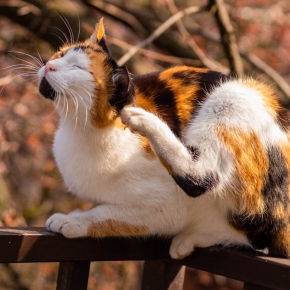
As pet owners, we strive to provide the best possible care for our feline friends, but sometimes even the most diligent cat parents may overlook one common issue: fleas. These tiny parasites can quickly become a nuisance for both cats and their human companions. In this article from the veterinary team at Avenues Vets, we’ll explore the signs that your cat may have fleas and what you can do to help keep them comfortable and flea-free.
Order your cat’s flea treatment
Five signs your cat may have fleas
- Excessive scratching and grooming: According to veterinary surgeon Nicola Armstrong, one of the most common signs of a flea infestation in cats is excessive scratching, biting, or licking of the skin. If you notice your cat constantly grooming themselves or scratching at certain areas of their body, particularly around the neck, head, or base of the tail, it could be a sign that fleas are present.
- Visible fleas or flea dirt: Fleas are small, fast-moving insects that can be challenging to spot, especially in cats with dense fur. However, you may be able to detect them by parting your cat’s fur and looking for tiny, dark brown insects crawling close to the skin. Additionally, you may notice small dark specks, known as flea dirt, on your cat’s fur or bedding. Flea dirt is actually flea faeces composed of digested blood and is a telltale sign of flea infestation. Ask the team at our Glasgow vet practice about the best type of flea comb to help you with this task.
- Skin irritation and redness: Flea bites can cause irritation and even allergic reactions in some cats, leading to redness, inflammation, and even hair loss in severe cases. If you notice any signs of skin irritation or dermatitis in your cat, Nicola advises that you should consider fleas as a potential cause.
- Restlessness and irritability: Cats with fleas may exhibit signs of restlessness, irritability, or discomfort, especially if the infestation is severe. They may be more agitated than usual and may have difficulty relaxing or sleeping peacefully.
- Presence of tapeworms: Fleas can transmit tapeworm eggs to cats, leading to the development of tapeworm infections. If you notice small, rice-like segments around your cat’s bottom or in their faeces, it could indicate a tapeworm infestation secondary to flea exposure.
Order flea treatment from us
Nicola recommends that if you suspect your cat has fleas, you should take action promptly to address the infestation and provide relief for your furry friend. Order vet recommended prescription-only flea treatment from Avenues Vets to help eliminate fleas from your cat’s environment and prevent future infestations. We offer a variety of safe and effective flea control products designed specifically for cats.
Nicola and the rest of our experienced veterinary team can provide personalised recommendations for flea treatment based on your cat’s individual needs and lifestyle.
Don’t let fleas disrupt your cat’s life, order flea treatment from us today. If you have any questions or concerns about fleas or flea control, don’t hesitate to contact our friendly team.
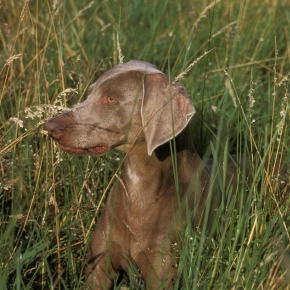
It’s that time of year again, when spring sunshine and warmer temperatures mean ticks become more of a problem. Whether you’re out and about in Lanarkshire or taking your dog on trips further afield, now is the time to be vigilant. Take a look at our article below in which Vet Nicola Armstrong, answers some commonly asked questions about ticks and the danger they pose to dogs and humans.
Guide to removing a tick safely
Avenues Veterinary Centre’s Tick FAQs
What are ticks?
Ticks are tiny arachnids that feed on the blood of mammals, including our beloved canine companions. While they may be small in size, ticks can pose significant health risks to dogs and their owners.
Why are ticks on dogs such a problem?
Avenues Veterinary Centre’s highly experienced Veterinary Surgeon Nicola Armstrong, explains that ticks are more than just a nuisance – they’re vectors for a variety of diseases that can affect both dogs and humans. When a tick attaches to a dog and feeds on their blood, it can transmit pathogens such as bacteria, viruses, and parasites. Some of the most common tick-borne diseases in dogs include Lyme disease, babesiosis, and anaplasmosis. Dogs travelling abroad may also be at risk of contracting ehrlichiosis from ticks, a bacterial infection that affects the white blood cells. It is rare in the UK, but could be transmitted by ticks if your dog is travelling to Europe, the USA and Africa.
Nicola shares that ticks are also highly adaptable creatures, capable of thriving in a wide range of environments, from wooded areas to urban parks. This makes it challenging to avoid exposure to ticks, especially for dogs who enjoy spending time outdoors. Additionally, ticks can be difficult to detect, as they often attach themselves to areas of the dog’s body that are hard to see, such as between the toes, inside the ears, or under the tail.
What are the health implications of tick infestations?
Nicola wants Lanarkshire dog owners to be aware that tick infestations can have serious health implications for dogs. In addition to transmitting diseases, ticks can cause local irritation and inflammation at the site of attachment. Some dogs may develop allergic reactions to tick saliva, leading to symptoms such as itching, redness, and swelling.
If left untreated, tick-borne diseases can cause a range of symptoms in dogs, including fever, lethargy, lameness, joint pain, and organ damage. In severe cases, untreated tick-borne diseases can be fatal. Moreover, certain tick-borne pathogens, such as those that cause Lyme disease, can also affect humans, posing a risk to pet owners and their families.
Ask our team to explain the specific symptoms of Lyme disease, babesiosis, anaplasmosis, and also ehrlichiosis if you’re taking your dog abroad.
Can you prevent dogs getting ticks?
Fortunately, there are several steps you can take to protect your dog from ticks and the diseases they carry:
- Use tick preventatives: Our vets can advise you about the best tick prevention products for your dog’s individual needs. There are many safe and effective options available, including topical treatments, oral medications, and tick collars.
- Perform regular tick checks: After spending time outdoors, it is wise to thoroughly check your dog for ticks, paying close attention to areas where ticks are likely to hide such as between the toes, inside the ears, or under the tail. If you find a tick, it’s essential to remove it promptly and safely to reduce the risk of disease transmission – download our guide on removing a tick safely here.
- Avoid tick-infested areas: When possible, avoid areas where ticks are typically prevalent, such as tall grass, wooded areas, and brushy vegetation. Stick to well-maintained trails and keep your dog on a lead to minimise exposure to ticks.
- Maintain a clean environment: Keep your garden free from tall grass, leaf litter, and other debris where ticks may thrive. Regularly mow the lawn, trim vegetation, and remove potential tick habitats to reduce the risk of infestation.
Download our guide on removing a tick safely
If you find a tick on your dog, it’s crucial to remove it properly to minimise the risk of infection. Download our guide on removing a tick safely for step-by-step instructions and helpful tips. With our guide, you’ll have the knowledge and confidence to handle tick removal quickly and effectively, helping to protect your dog’s health and wellbeing. We’re here to help if you have any difficulties with this – call us on 0141 643 0404.
Get our guide to removing a tick safely
By taking proactive measures to prevent tick infestations and promptly remove any ticks that may attach to your dog, you can help keep your furry friend safe from the dangers of tick-borne diseases. If you have any concerns about ticks or tick prevention, don’t hesitate to get in touch with our helpful team at Avenues Vets.
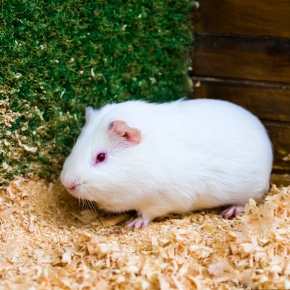
Pet owners in Lanarkshire need to be vigilant this spring about protecting their rabbits and guinea pigs from a potentially deadly threat: flystrike, warns Vet Nicola Armstrong.
What is flystrike?
Flystrike, also known as myiasis, occurs when flies lay eggs on an animal’s fur or skin, which then hatch into maggots that feed on the animal’s flesh. This condition can quickly escalate into a life-threatening situation if left untreated. In this article, Nicola discusses how to prevent flystrike and what to do if you suspect your rabbit or guinea pig is affected.
Four ways to prevent deadly flystrike
- Maintain clean living conditions: According to vet Nicola Armstrong, the key to preventing flystrike is to keep your pet’s living environment clean and dry. Regularly remove soiled bedding and faeces from cages or hutches, and provide fresh, dry bedding material to help minimise the attraction of flies.
- Check your pet regularly: Perform daily health checks on your rabbits and guinea pigs, paying close attention to areas where flies are likely to lay eggs, such as around the tail, hindquarters, and genitals. Look for signs of fly eggs (small white or yellow dots) or maggots, as well as any signs of skin irritation or inflammation. If you notice anything like this, contact our team at Avenues Vets on 0141 643 0404 straight away.
- Protective measures: Nicola suggests using fly screens or protective covers on outdoor enclosures to help keep flies away from your pets. You can also use pet-safe insect repellents or fly strike prevention products – ask our team at our Glasgow vet practice for their recommendations.
- Regular grooming: This can help keep your pet’s fur clean and free from mats or tangles, which can attract flies. Pay special attention to long-haired breeds, as they may be more prone to developing flystrike.
Recognising the 4 Signs of Flystrike
If flystrike does occur, early detection and intervention are crucial for your pet’s survival. Nicola lists the four signs to watch for below:
- Foul odour: Flystrike often produces a strong, foul odour due to the presence of maggots feeding on the flesh. If you notice an unusual smell coming from your pet’s enclosure, it could be a sign of flystrike.
- Loss of appetite: Flystrike can cause pain and discomfort, leading to a loss of appetite in affected animals.
- Lethargy: Infected rabbits or guinea pigs may become lethargic and unwilling to move or eat due to pain and discomfort.
- Visible maggots or wounds: If you see maggots or open wounds on your pet’s skin, Nicola advises that you should seek veterinary care immediately. Do not attempt to remove the maggots yourself, as this can cause further injury to your pet.
Call us in an Emergency:
If you suspect your rabbit or guinea pig has flystrike, it’s crucial to act quickly. Contact our team at Avenues Vets immediately for emergency veterinary care by calling 0141 643 0404.
Flystrike is a serious condition that requires prompt, professional treatment to remove the maggots, clean the affected area, and provide supportive care to the affected pet. Sadly however, a high proportion of flystrike cases require euthanasia to stop the animal from suffering.
Remember, prevention is always best when it comes to flystrike. By taking proactive measures to keep your pet’s living environment clean and minimising their exposure to flies, you can help reduce the risk of this potentially deadly condition. If you have any questions or concerns about flystrike prevention or treatment, don’t hesitate to contact us for guidance. We’re here to help you keep your rabbits and guinea pigs safe and healthy.
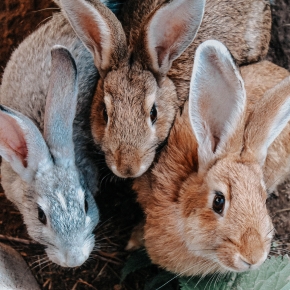
Rabbits are adorable companions, but like all pets, they are susceptible to certain diseases that can impact their wellbeing. According to Avenues Vets, the most effective ways to protect your furry friend is through vaccination.
In this article, we’ll explore the significance of rabbit vaccination, the common diseases they are at risk of, and why it’s essential to book a rabbit vaccination appointment with our veterinary practice in Glasgow right away if your rabbit is overdue or hasn’t had one yet.
Book a Rabbit Vaccination today
Why vaccinate your rabbit
The team at Avenues Vets wholeheartedly agree that rabbit vaccinations are a vital aspect of responsible ownership, providing several benefits for your furry friend:
- Disease Prevention: Vaccination helps protect rabbits from infectious diseases that can be challenging and often impossible to treat once contracted.
- Longevity & Quality of Life: By preventing diseases, rabbit vaccinations contribute to a longer and healthier life for your rabbit.
- Community Health: Vaccinating your rabbit not only safeguards their health but also helps prevent the spread of diseases within the rabbit community in Lanarkshire and beyond.
- Peace of Mind: Knowing that your rabbit is protected against common diseases brings peace of mind, allowing you to enjoy your bond with your pet without unnecessary worry.
- Cost Effective: Vaccinations are also the most cost-effective approach to your rabbit’s healthcare as disease prevention often costs less than treating illnesses and their potential complications.
Common rabbit diseases & vaccination guidelines
At Avenues Vets, our vets know only too well the devastating prognosis of these two killer diseases:
Myxomatosis:
Myxomatosis is a viral disease transmitted by fleas and mosquitoes. It causes swelling and discharge around the eyes, nose, and genitals, leading to severe illness. Vaccination against myxomatosis is essential for all pet rabbits.
Rabbit Viral Haemorrhagic Disease (RVHD):
RVHD is a highly contagious and often fatal viral infection that affects the liver and other organs. There are two strains of RVHD – RVHD1 and RVHD2. Vaccination against both strains is recommended to ensure comprehensive protection.
Don’t delay, book a rabbit vaccination today.
When to vaccinate your rabbit
- Initial Vaccination: Rabbits are typically vaccinated against myxomatosis and RVHD from around 5-6 weeks of age.
- Booster Vaccinations: After the initial vaccination, rabbits require regular booster shots to maintain immunity. Booster schedules may vary, so ask our Glasgow team to help you ensure your rabbit stays up-to-date with vaccinations.
Book a Rabbit Vaccination appointment
To help ensure your adorable companion enjoys a happy, healthy, and hop-filled life, protect them against these deadly contagious diseases now. Book a rabbit vaccination appointment with our veterinary practice in Woodside Avenue, Glasgow.
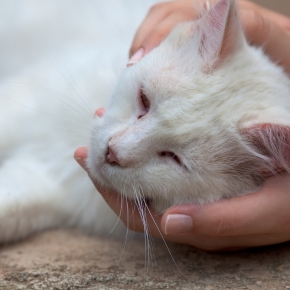
As responsible cat owners, it’s crucial to stay informed about potential health threats that could impact our feline companions. One such concern is Feline Leukaemia Virus (FeLV), a serious and contagious disease that can affect cats of all ages. In this article, our Vet Nicola Armstrong explores essential facts about cat leukaemia, discusses common symptoms, and emphasises the importance of prevention through vaccination. To ensure your cat’s wellbeing, we encourage you to take the proactive step of booking a cat vaccination appointment with our veterinary practice in Glasgow.
Facts about Feline Leukaemia:
What is Feline Leukaemia? Vet Nicola gets asked this question by many cat owners and so is sharing these facts below.
- Viral Infection: Feline Leukaemia Virus is a retrovirus that can affect cats worldwide. It primarily spreads through close contact with an infected cat, such as mutual grooming, shared food and water bowls, or bite wounds.
- Highly Contagious: FeLV is highly contagious among cats, making it crucial for owners of multiple cats or those whose cats interact with outdoor felines in and around Lanarkshire to be especially vigilant.
- Various Strains: FeLV comes in different strains, each affecting cats differently. Some cats may effectively fight off the infection and become immune, while others may succumb to the disease.
Common symptoms of Cat Leukaemia:
- Lethargy: Cats infected with FeLV often exhibit increased fatigue and a lack of interest in activities they once enjoyed.
- Weight Loss: Unexplained weight loss can be a sign of various health issues, including FeLV. Nicola advises to monitor your cat’s weight and contact us if you notice significant changes.
- Recurrent & Secondary Infections: FeLV suppresses the cat’s immune system. Cats with FeLV may experience frequent respiratory or gastrointestinal infections. They are also more susceptible to secondary infections and diseases such as leukaemia (cancer of the white blood cells), lymphoma, and anaemia.
- Swollen Lymph Nodes: Enlarged lymph nodes are a common symptom of FeLV. If you notice any unusual lumps or bumps on your cat, Nicola stresses that you should contact us as soon as possible.
- Pale Gums and Mucous Membranes: FeLV can cause anaemia, leading to pale gums and mucous membranes. Our cat vets in Glasgow can perform blood tests to check for anaemia and assess overall health.
Prognosis, treatment & management:
Feline leukaemia virus (FeLV) is potentially life-threatening. Nicola explains that the prognosis for a cat diagnosed with feline leukaemia can vary depending on several factors, including the cat’s overall health, age, immune system status, and any concurrent medical conditions.
Cats can be classified into three main categories based on their FeLV infection status:
- FeLV Negative (no infection): Cats testing negative for FeLV typically have a good prognosis, as they are not infected with the virus.
- FeLV Positive (persistent infection): Cats testing positive for FeLV are infected with the virus. The prognosis for FeLV-positive cats varies depending on the stage of infection and the presence of associated health problems.
- FeLV Exposure (transient infection): Some cats may initially test positive for FeLV due to exposure to the virus but may clear the infection over time. These cats may have a better prognosis compared to persistently infected cats.
Sadly, while there is no cure for FeLV, Nicola wants owners to know that supportive care and management can help improve the quality of life and extend survival in affected cats. This may include addressing secondary infections with antibiotics, managing symptoms such as anaemia or dehydration, providing a balanced diet, and minimising stressors. Regular veterinary check-ups at Avenues Vets are essential for monitoring health and so your vet can adjust treatment as needed.
Preventing Cat Leukaemia:
- Vaccination: Vaccination is by far the most effective way to prevent Feline Leukaemia Virus. Our veterinary practice in Glasgow offers safe and reliable vaccines that can significantly reduce the risk of infection. Book a cat vaccination appointment to ensure your feline friend is protected.
- Testing and Isolation: If you’re introducing a new cat to your household or have concerns about an outdoor cat’s health, it’s essential to conduct Feline Leukaemia testing and isolate any infected cats to prevent the spread of the virus. Contact Avenues Vets for more information.
- Indoor Living: Keeping your cat indoors can significantly reduce their exposure to potential sources of infection in Lanarkshire. If your cat enjoys the outdoors, you might want to consider creating a secure and enclosed outdoor space.
- Regular Veterinary Check-ups: Routine examinations allow our vets to monitor your cat’s health and detect any potential issues early on so be sure to schedule regular check-ups.
Book a Cat Vaccination appointment:
To ensure your cat’s protection against Feline Leukaemia Virus, Avenues Vets strongly recommends booking a cat vaccination appointment at our Woodside Avenue veterinary practice. Our experienced team are dedicated to providing the best care for your feline friends, and vaccinations play a crucial role in preventing and managing infectious diseases.
Don’t wait until it’s too late – take the proactive step of safeguarding your cat’s health.


