
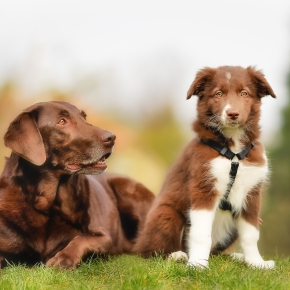
If you’ve recently welcomed a new puppy or adult dog into your home, you’re hopefully having a magical experience so far. However, now is the perfect opportunity to focus on their socialisation before things go awry.
Why not register your new pet and then book an appointment with our friendly team in Glasgow to discuss their individual needs?
Why socialisation is essential
Our team at Avenues Vets explain that socialisation helps puppies and adult dogs feel confident and relaxed in various situations. It’s not just about meeting other dogs in and around Lanarkshire, but also getting used to different environments, people, and sounds.
Not socialising your dog could result in nervous or reactive behaviours, which can be challenging to address later. The most effective socialisation period is during those early puppy months, when their brain is like a sponge and they are learning from everyone and everything around them. Socialising an adult dog can be more challenging but it is worth persevering with. In some cases, finding an experienced dog trainer may be helpful.
Key areas to focus on for socialisation
Interacting with other dogs
Allowing your dog to meet other dogs in a controlled environment is vital for teaching them how to communicate and behave appropriately. Dogs will learn from each other as well as taking cues from you as to what is deemed acceptable behaviour.
Exposure to different environments
Our nursing team in Glasgow have many years of experience talking to new pet owners about puppy and dog socialisation. Their advice is that socialising your pet means gradually introducing them to various settings, such as:
- Parks: A great place to meet other dogs and people.
- High Streets: Helps with getting used to crowds.
- Shops & Cafes: Helps them navigate indoor social scenes.
- Transport: Familiarise your dog with cars, trains, or buses.
There are some excellent places in and around Lanarkshire to socialise your puppy or adult dog. Help other local dog owners by sharing your experiences and favourite doggy spots on our Facebook page.
Handling and grooming
Handling exercises can help your dog get used to being touched, which is essential for grooming and visits to our vet practice in Glasgow.
Sounds and sights
Gradually expose your dog to new experiences, such as household appliances, firework noises (you can do this using pre-recorded sounds available from various places online), door knockers and bells, and anything else that could unsettle them if they’re not taught to be calm around it.
January is Walk Your Dog Month!
The cold winter weather in Lanarkshire can be challenging at times, but if it’s safe, a brisk walk can be excellent for heart health (for you both) and socialisation! January is Walk Your Dog Month – a great motivator to spend time outside, help your dog burn off energy, and build their confidence in the wider world.
Remember, if you have a puppy, once they are fully vaccinated, you’ll need to limit their walks to suit their breed, size, and age so as not to overwork and potentially damage their growing limbs. Talk to our team in Glasgow about your puppy’s specific exercise needs if you’re unsure – get in touch.
Need help with socialisation?
At Avenues Vets, our team can offer you guidance on the socialisation process. Whether it’s your first time owning a puppy or an adult dog, or you’re looking for new tips, we’re happy to help.
Why not register and then book an appointment to chat with our nurses?

Starting the year with a focus on your pet’s health is a fantastic way to ensure they’re happy, comfortable, and active all year long. At Avenues Vets, we’re here to support pet owners in Lanarkshire with everything from check-ups to tailored nutritional advice, helping to start the year right. Below are some of the key steps for effective pet health planning.
Book your pet’s next appointment
Scheduling annual health checks
One of the best ways to ensure your pet’s ongoing health is to schedule an annual wellness exam with one of our highly experienced vets. A health check allows us to assess your pet’s overall condition, check for any underlying issues, and keep vaccinations up to date. Regular visits help identify potential health concerns early, making it easier to manage and prevent issues over time.
Make sure to book a wellness appointment at Avenues Vets to give your pet a great start to the new year.
Nutrition and weight management
Nutrition plays a big role in your pet’s health, and the new year is a great time to check their diet. Obesity in pets is common and can lead to problems such as joint issues and diabetes.
Nutritional appointments with The Avenues Vets’ nursing team
At Avenues Vets, our nursing team are here to provide tailored nutritional advice suited to your pet’s age, breed, and lifestyle. During a nutrition appointment, we’ll discuss meal portions, feeding habits, and any specific dietary needs. If your pet has weight concerns, we can help create a diet plan that supports their health throughout the year. A quick nutrition review could make a big difference in their quality of life – contact us to book this.
Additional health considerations
Our vets in Glasgow advise that these are a few more health checks to consider when planning for the year ahead:
- Dental Checks: Dental health is essential for your pet’s overall wellbeing. Our vets can check your pet’s dental health at their next wellness check-up. Then, regular dental checks and oral care can help prevent plaque build-up and other oral health issues.
- Parasite Prevention: Ensure your pet is up-to-date on parasite control for fleas, ticks, and worms. Book an appointment for a parasite prevention review.
- Mobility Assessments: As pets age, joint health can become a concern. Discuss any mobility issues with our team, particularly if you have an older pet.
Book an appointment to start your pet’s health plan
Getting organised with your pet’s health in January is a great way to support their wellness all year round. Our team at Avenues Vets are here to help you develop a personalised health plan that’s just right for your pet. From routine check-ups to tailored diet plans, we’ve got you covered.
Book your pet’s next appointment now
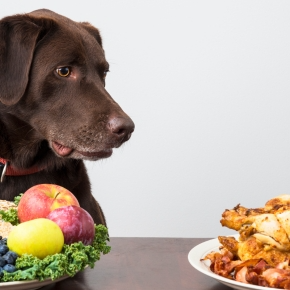
Each January, the Veganuary campaign inspires people across the UK to embrace plant-based eating for the month, often driven by ethical beliefs or health considerations. You might be wondering if your pet can join you on this initiative. To help pet owners in Lanarkshire understand what diet is safe for their pets this January, our team have put together the following advice.
Get tailored nutritional advice for your pet by contacting us to book an appointment with our experienced registered veterinary nurses at Avenues Vets.
Book a pet nutrition nurse appointment
Choosing the right diet for your pet
The Avenues Vets’ veterinary surgeons and registered veterinary nurses are highly trained when it comes to providing guidance on proper pet nutrition and care. While humans can choose dietary preferences, it’s crucial to prioritise the wellbeing and health of our pets by providing them with diets that meet their nutritional and health requirements.
The protein in your pet’s diet provides them with amino acids, and these are essentially the building blocks of your pet’s body. Our team at Avenues Vets can advise you on the protein sources and levels your pet needs, as well as all other aspects of pet nutrition. Each type of pet will need a slightly different diet based on their size, exercise levels, age and health condition. So, consulting with our team at Avenues Vets is the best way to ensure your pet is receiving the right balance of nutrition for their individual needs.
Can dogs eat a vegan diet?
Advice for dog owners in Lanarkshire is that a dog’s diet must provide the right balance of essential nutrients like proteins, vitamins, and fats. Unlike their ancestors, today’s dogs are omnivores, able to gain nutrients from both animal and plant sources. It’s important to be aware that insufficient nutrition may lead to health conditions impacting your dog’s heart, skin, coat, and immune system. While animal proteins provide high-quality ‘complete’ proteins with optimal amino acid ratios, plant proteins can be more complex. They often contain compounds like tannins, which can bind to the protein and make it harder for your dog to absorb.
That said, it’s all about getting the right balance for your dog’s individual needs. If you’re considering trying a diet that’s very different, such as a plant-based diet, your vet at Avenues Vets will work with you to ensure your dog’s new diet contains everything they need for optimum health.
Can cats eat a vegan diet?
Cats are obligate carnivores, meaning their bodies are specifically adapted to thrive on a diet rich in animal-based protein – quite the opposite of the Veganuary challenge. They require nutrients found only in animal tissue, and insufficient intake of these nutrients can lead to serious health issues.
Nicola explains that cats need 11 essential amino acids in their diet, which they cannot produce on their own. These amino acids – lysine, arginine, phenylalanine, histidine, isoleucine, leucine, methionine, taurine, valine, tryptophan, and threonine – are crucial for various aspects of health, including vision, heart function, muscle growth, and hormone balance. Without adequate amounts of these nutrients, cats are at risk of health conditions like vision impairment, heart disease, hormonal imbalances, and overall malnutrition.
Due to this, Nicola highly recommends that cats should not eat a vegan diet, to avoid putting their health at risk.
To learn more about your pet’s individual nutritional needs, contact us to book an appointment with our experienced veterinary nurses in Glasgow.
Talk to our nurses about pet nutrition
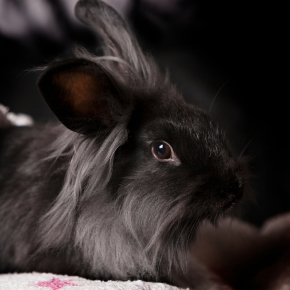
As a rabbit owner, ensuring your pet’s health and happiness is a top priority. One condition that often goes unnoticed but can seriously impact rabbits is E. cuniculi. Avenues Vets are sharing what you need to know about E. cuniculi, including its symptoms, treatment options, and how you can help you protect your rabbit by picking up on early signs of infection.
Book a rabbit health check now
What is E. cuniculi?
Our vets in Glasgow share that E. cuniculi, or Encephalitozoon cuniculi, is a microscopic parasite that can infect rabbits and affect their overall health. It primarily targets their kidneys, brain, and nervous system, potentially leading to severe health issues if left untreated.
How do rabbits contract E. cuniculi?
Rabbits typically contract E. cuniculi through exposure to infected urine, which contains spores of the parasite. These spores can spread to other rabbits in multi-rabbit homes or outdoor environments, where wild animals may introduce the parasite. Once infected, a rabbit may carry E. cuniculi throughout their life.
Symptoms of E. cuniculi
The symptoms of E. cuniculi vary, with some rabbits showing no signs at all. However, common symptoms include:
- Head Tilt: A common sign of neurological involvement.
- Loss of Balance: Rabbits may struggle to hop or sit steadily.
- Incontinence: Issues with bladder control due to kidney damage.
- Seizures: Though rare, seizures can occur if the infection severely affects the brain.
If you observe any of these symptoms, make sure you book an appointment with one of our vets at Avenues Vets as soon as possible for a thorough check-up.
Diagnosing E. cuniculi in rabbits
E. cuniculi can be challenging to diagnose, as its symptoms overlap with other conditions. Our vets in Glasgow may perform a combination of blood tests, urinalysis, and neurological examinations to confirm the presence of the parasite.
Treatment options
Treatment for E. cuniculi often involves a combination of antiparasitic medication and supportive care for any neurological symptoms. Your rabbit’s treatment plan may vary depending on their specific health needs, so working with your vet at Avenues Vets is essential. In addition to medications, your vet may recommend physical therapy to help regain mobility or alleviate other symptoms.
Support from The Avenues Vets’ veterinary team
Our veterinary team at Avenues Vets are always here to support rabbits with E. cuniculi, helping with medication administration, advice on home care, and follow-up assessments.
Preventing E. cuniculi in your rabbit
Preventing E. cuniculi involves managing environmental hygiene and limiting exposure to infected rabbits. Regular vet check-ups can also help detect signs early, especially for those with multiple rabbits.
Understanding this condition is crucial for any rabbit owner to try and first prevent it, but then also to notice the symptoms and get their pet the help they need quickly. If you have any questions about this topic or are concerned about your rabbit’s health, get in touch with our team in Glasgow.
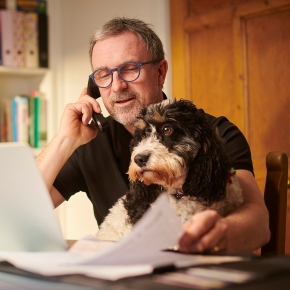
Following the recent rise in heating bills this autumn, keeping you and your pets cosy as the temperatures drop has become more challenging. To help pet owners in Lanarkshire, our team at Avenues Vets have come up with some affordable and creative ways to stay cosy without cranking up the heating. Below are our top tips for keeping your whole family comfortable this winter.
To help your money go further, sign up to our Avenues Health Plan and benefit from savings on your pet’s routine care, if you haven’t already.
Affordable ways to keep warm
1. Layer up – for both you and your pets
Layering isn’t just for humans! The Avenues Vets’ team recommend jumpers or coats for short-haired or older pets but be sure to supervise them, so they don’t overheat or get tangled. For pets who dislike clothes, or when you’re not home, an insulated bed with blankets works wonders. Thermal clothing and socks for yourself can also reduce the need for extra heating.
2. Create a cosy space
Set up a warm corner for your pets, away from draughty areas. Add extra blankets or a thermal pet mat to reflect their body heat. If your pet loves to burrow, consider a covered pet bed or a self-warming blanket to keep them snug. For smaller pets, our veterinary nurses in Glasgow recommend adding extra bedding material.
3. Use natural warmth
Open curtains on sunny days in Lanarkshire to let natural heat in and move your pet’s bed to a sunlit spot. At night, close the curtains to retain the warmth. This simple step can significantly reduce the need for additional heating.
4. Pet-safe heating options
If using alternative heat sources, choose pet-safe options like electric blankets or heating pads designed for animals. For small pets, consider pet-safe heat lamps or microwavable heat pads – but always ensure proper safety measures are in place. If wrapping the sides of your pet’s cage or hutch in a duvet, ensure they have adequate ventilation.
5. Minimise draughts
The Avenues Vets’ team suggest keeping your home insulated by sealing draughty windows and doors using these methods:
- Install weatherstripping around door and window frames.
- Apply self-adhesive foam tape to fill gaps in windows.
- Use thermal curtains to block drafts and retain heat – look for a bargain set in charity shops and car boot sales in Lanarkshire, or on Facebook marketplace.
- Seal cracks with caulking or silicone sealant.
- Add door sweeps to the bottom of exterior doors.
- Use draught excluders along the bottom of doors – rolled-up towels can work too.
Plus, keeping unused rooms closed off will trap heat in smaller spaces, and putting another layer under pet beds or cages on the floor (a foam mat, reflective thermal pads, carpet remnants, a rug, or fleece blankets) will help to keep the cold away too.
6. Stay active indoors
Our team at Avenues Vets also suggest encouraging indoor playtime to keep your pets active and generate warmth. Interactive toys, puzzle feeders, or a game of fetch can raise their body temperature and keep them engaged, especially when outdoor exercise isn’t an option.
Signs your pet is too cold
Some of the following signs can also be attributed to other health issues so please call us on 0141 643 0404 if you are concerned:
- Shivering or trembling
- Curling up tightly, hiding, or seeking warmth
- Cold ears, paws, or tail
- Lethargy or reluctance to move
- Whining, anxious behaviour, or restlessness
With The Avenues Vets’ tips, you and your pets can stay comfortable without relying too much on extra heating. If you’re worried about your pet’s health during the colder months or need more advice on keeping them warm, don’t hesitate to reach out to our vet practice in Glasgow.
And remember, you could be making your money stretch further this winter by signing up to our Avenues Health Plan – find out more and sign up.
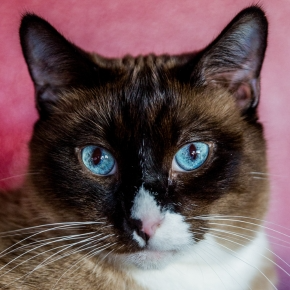
Did you know that November is National Adopt a Senior Pet Month and November 13th is World Kindness Day? At Avenues Vets, we believe adopting a rescue cat of any age is one of the kindest things a person can do! We also understand that some rescue cats can be challenging and may take a while to settle in. Hopefully that’s not the case, but if it is, there are steps you can take to ease the path.
Our cat-loving vets in Glasgow have put together some advice for anyone finding themselves in a challenging situation with their rescue cat, or those of you who are considering cat adoption. Keep reading and get in touch if you’d like more tailored advice, or to register your new feline friend.
Why some rescue cats display difficult behaviour
Sometimes rescue animals may exhibit behavioural problems as a result of experiences they’ve had in their previous home and the rehoming centre may not have had access to this information.
Common problems and possible solutions
There are a few issues that commonly crop up in rescue cats, so our vets in Glasgow have some solutions to help you:
1. Scratching: Scratching is natural for cats, but it can be frustrating when they target furniture. A simple fix is providing a scratching post and encouraging its use with a bit of catnip.
2. Going outside the litter tray: The Avenues Vets’ team suggest trying a different location for the litter tray. If that doesn’t help, your cat may prefer a different size or shape, so consider switching trays.
3. Aggression: If your cat isn’t neutered, this could lead to aggressive behaviour – talk to us about cat neutering options. Alternatively, past experiences may play a role. If your cat hurts you during play, make a loud noise to signal it’s unacceptable and then walk away. Remember, building a bond with your rescue cat takes time, so patience is key.
4. Being overweight: If your cat is overweight, it could be due to a sedentary lifestyle or a reluctance to play or go outside. It’s advisable to have them checked for any underlying health issues by our vets in Glasgow and get tailored weight-loss advice from our experienced nursing team.
5. Health issues: While some health issues are common in all cats, your new pet may face specific challenges if they haven’t lived in a healthy environment before adoption. Cats from poor conditions can be more prone to respiratory infections, parasites, dental issues, and nutritional deficiencies. The Avenues Vets’ team advise watching for signs like a large or small appetite, lethargy, odd grooming habits, or unusual behaviour. Regular veterinary check-ups are vital for early identification of health concerns and keeping your cat happy and healthy – book now.
Why adopt a senior cat
Adopting a senior cat brings mutual benefits: for the cat, it means a loving home in their golden years; for the owner, it offers a calm, mature companion with an established personality, often requiring less training and settling in quickly. Common health issues in senior cats to know about include arthritis, dental disease, kidney disease, hyperthyroidism, and obesity. Reputable cat rescue centres will have had a health check done prior to adoption, and some may even help with the cost of long-term medications if a condition has been diagnosed. With appropriate veterinary care, many older cats can enjoy happy and fulfilling senior years.
In the end, adopting a rescue cat of any age requires love, patience, perseverance, and the support of a great veterinary practice by your side. Contact Avenues Vets now to book your rescue cat in with one of our vets in Glasgow for tailored advice.
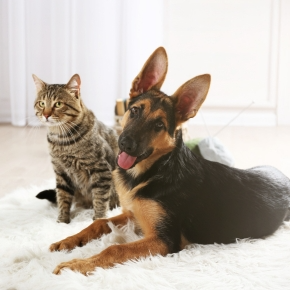
Vet Nicola Armstrong is sharing important information this month about Dilated Cardiomyopathy (DCM), a serious heart condition affecting pets that can lead to heart failure or sudden cardiac death. Nicola feels it’s important for dog and cat owners in Lanarkshire to understand what DCM is, which breeds are predisposed, and the steps to take if they suspect their pet may be affected.
Book a heart health consultation
Understanding Dilated Cardiomyopathy
What is DCM?
Vet Nicola Armstrong explains that DCM is a condition in which the heart becomes enlarged and weakened, affecting its ability to pump blood efficiently. This can lead to fluid build-up in the lungs and other parts of the body, resulting in symptoms such as coughing, lethargy, reduced exercise tolerance, and abdominal swelling. In some cases, DCM can develop silently, making regular veterinary check-ups essential for early detection. DCM typically occurs, but is not limited to, older male dogs.
DCM in Dogs – predisposed breeds
Nicola shares that this condition typically affects large-breed dogs, and that certain dog breeds are genetically predisposed to DCM. These include:
- Doberman Pinschers
- Boxers
- Great Danes
- Irish Wolfhounds
- Saint Bernards
- German Shepherd Dogs
- Newfoundlands
- Labrador Retrievers
While these breeds are at a higher risk, DCM can occur in other breeds as well, including mixed-breeds. Nicola says being proactive in monitoring you pet’s health is important.
Dogs, especially small breeds or those on grain-free diets or diets low in taurine, can also sometimes experience taurine-responsive DCM. Taurine is an essential amino acid for heart health and some grain-free diets (especially those high in legumes or potatoes) have been suspected of contributing to taurine deficiency, which can lead to DCM. However, this remains a topic of ongoing research.
DCM in cats
Since the discovery in the 80’s that a lack of taurine caused most cases of DCM in cats, the condition has become much less common. This is because taurine is now added to all commercial cat foods. Today, most DCM cases in cats are due to other underlying causes and don’t respond to taurine. However, DCM can still occur in cats fed non-commercial diets like vegetarian or home-cooked meals.
Signs and symptoms of DCM
Nicola wants pet owners in Lanarkshire to be aware of the following symptoms that may indicate DCM:
- Coughing or Difficulty Breathing: This could be due to fluid accumulation in the lungs.
- Lethargy: A noticeable decrease in energy or interest in activities they previously enjoyed.
- Exercise Intolerance: Reluctance to walk or play, or excessive panting after minimal activity.
- Abdominal Swelling: This may indicate fluid build-up due to heart failure.
- Fainting or Collapse: A serious sign that requires immediate veterinary attention.
Cats with DCM often show severe breathing issues and symptoms can progress quickly, making the condition difficult to manage. If you notice any of these signs, Nicola says it’s important to consult with one of our vets in Glasgow promptly for a thorough examination.
Advice for pet owners
1. Schedule Regular Vet Check-Ups: Your vet at Avenues Vets will listen to your pet’s heart for signs of irregularities. This is especially important for breeds at higher risk.
2. Watch for Weight Changes: Maintaining a healthy weight is vital for heart health. Obesity can exacerbate heart conditions, so monitor your pet’s diet and exercise routine.
3. Feed a Balanced Diet: Studies have suggested a possible link between some grain-free/low-grain canine diets and DCM. Ask our vets for advice on the best diet for your dog, particularly if they are a predisposed breed.
4. Know Your Dog’s Family History: Nicola says if you adopt or purchase a pet from a breeder, inquire about their family history regarding heart conditions.
5. Be Prepared for Emergencies: Understand the signs of heart distress (above) and have an emergency plan in place – take note of The Avenues Vets’ emergency vet information.
In conclusion, Dilated Cardiomyopathy is a serious condition affecting dogs (mainly) and cats but being aware of the risks and symptoms can significantly improve outcomes. Vet Nicola Armstrong shares that staying informed and proactive about your pet’s heart health is very important.
If you have any concerns or questions about DCM or your pet’s health, please don’t hesitate to reach out to our vet practice in Glasgow.
Book a heart health consultation
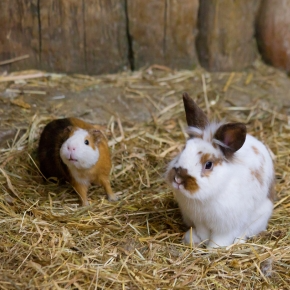
Rabbits and guinea pigs can make terrific pets for the whole family. However, it’s important to be aware that both species suffer from common digestive issues that need to be kept on top of. Our team at Avenues Vets are here to help pet owners understand how to prevent such issues and when they become a veterinary emergency.
If you haven’t registered your small furry pet with our vet practice in Glasgow yet, call us on 0141 643 0404 or visit our website to register and book.
Gut Health in Rabbits and Guinea Pigs
Rabbits and guinea pigs have sensitive digestive systems that can be easily upset. Our team at Avenues Vets explain that understanding and addressing potential gastrointestinal (GI) issues is crucial for keeping your furry friend healthy.
Common GI Problems
- Gas: Excessive gas production can lead to discomfort and pain.
- Bloating: A distended abdomen can be a sign of underlying GI issues.
- Diarrhoea: Loose stools can indicate problems with digestion or nutrient absorption.
Prevention Tips
To help prevent these problems and maintain a healthy digestive system, The Avenues Vets’ team of experienced small animal vets say you should consider the following:
- Consistent Diet: Sudden changes in diet can disrupt your pet’s delicate digestive balance. Introduce new foods gradually to allow their system to adjust.
- Fresh Water: Ensure your pet has constant access to clean, fresh water. Dehydration can contribute to digestive problems.
- Hay is Key: Hay is a vital component of a rabbit or guinea pig’s diet. It provides essential fibre, promotes healthy digestion, and helps prevent dental problems. Offer an unlimited supply of hay at all times.
By following these guidelines, you can significantly reduce the risk of GI issues in your rabbit or guinea pig, ensuring a happier and healthier life for your furry friend.
Register your small pet with us today for expert care and advice.
Gut Stasis
Our rabbit and guinea pig vets in Glasgow want pet owners to also be aware of gut stasis – a serious condition that can occur when the digestive system slows down or stops working properly. This can lead to a buildup of food and waste in the intestines, causing severe discomfort and potential emergency health complications.
Symptoms of gut stasis can include:
- Decreased appetite or refusal to eat
- Lethargy or weakness
- Abdominal distension
- Decreased faecal output or hard, dry stools
If you suspect your rabbit or guinea pig has gut stasis, it’s crucial to seek veterinary attention immediately – call Avenues Vets on 0141 643 0404.
Veterinary treatment may involve medications, fluids, and dietary changes to help stimulate the digestive system. By understanding the risks of gut stasis and taking preventative measures, you can help your pet maintain a healthy digestive system and avoid this serious condition.
To help prevent gut stasis:
- Maintain a Healthy Diet: Ensure your pet is eating a high-fibre diet, primarily consisting of hay.
- Provide Plenty of Water: Dehydration can contribute to gut stasis.
- Encourage Exercise: Regular exercise can help stimulate the digestive system.
- Avoid Stress: Stress can negatively impact a rabbit or guinea pig’s digestive health.
If you would like more advice on any of the above gastrointestinal issues in rabbits and guinea pigs, register and book an appointment with our vets in Glasgow now.
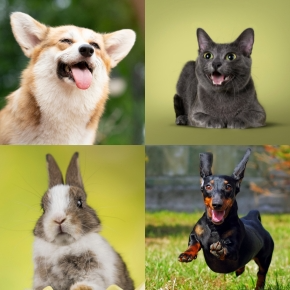
At Avenues Vets, we’re passionate about helping pets live their best lives. While diseases like arthritis, kidney disease, periodontal disease, and ‘the Big C’ can be a concern, proactive measures can significantly reduce the risk in many cases. In this article, Vet Nicola Armstrong shares their 10 top tips for a healthy and happy pet.
10 tips for healthy and happy dogs, cats & rabbits
1. Regular Check-ups: Schedule bi-annual vet check-ups to monitor your pet’s health and catch any potential problems early. Nicola recommends monitoring your pet at home too – look for changes in behaviour, limping, reduced mobility, lumps, bad breath, red gums, and anything else unusual.
Call Avenues Vets on 0141 643 0404 with any concerns.
2. Preventive Vaccinations: Stay up to date with recommended pet vaccinations for optimum protection against contagious, life-threatening diseases such as canine parvovirus, feline leukaemia, and myxomatosis in rabbits.
3. Flea, Worm and Tick Prevention: Use vet-prescribed flea, worm and tick products to protect your pet from parasites that can cause irritation as well as transmit diseases.
4. Dental Care: Brush your dog or cat’s teeth regularly with a pet-specific tooth gel and schedule professional dental cleanings as recommended by your vet. Talk to us about dental products and chew toys that can also help. Rabbits need a constant supply of fresh hay for healthy teeth and ideally 6 – 12 month dental check-ups.
5. Healthy Diet & Weight: Provide your pet with a high-quality, complete diet that meets their nutritional needs. Maintaining a healthy weight is also important for reducing the risk of obesity, early-onset arthritis, heart disease and other conditions. The Avenues Vets’ nurses can help you with pet nutrition and weight – book a nurse appointment.
6. Fresh Water: Ensure your pet has access to fresh, clean water at all times, and is drinking it. Water is vital for transporting nutrients to cells, eliminating waste, cushioning joints and organs, regulating body temperature and more. Some cats and dogs aren’t big drinkers, so Nicola suggests mixing in high-quality wet food or adding water to dry kibble.
7. Regular Exercise & Enrichment: Ensure your pet has plenty of physical exercise and mental stimulation to support their wellbeing. Here are some examples:
- Dogs: Walking, hiking, training, fetch games, interactive games & toys, agility courses (DIY or professional), swimming.
- Cats: Furry toys on string to chase, interactive games & toys, scratching posts, a catio (outdoor enclosed ‘cat patio’), a cat gym – check this one out on YouTube!
- Rabbits: An outdoor pen, digging box, foraging tray, chew toys.
Reducing excessive running and jumping can often help to delay the onset of osteoarthritis by 1) reducing stress on joints which leads to wear & tear on cartilage, and 2) reducing the risk of injuries which can contribute to the development of osteoarthritis.
8. Reduce Stress: Create a calm and comfortable environment. Stress can negatively impact your pet’s health and contribute to a range of health conditions.
9. Regular Grooming: Brush your pet’s coat regularly to keep them tangle and dirt-free, helping to prevent skin irritation and parasites. Keep nails trimmed to reduce discomfort and injuries. Avoid bathing dogs too often as this can strip their natural oils, unless there’s a specific need.
10. Avoid Toxins: Last but by no means least, Nicola stresses the importance of keeping toxic substances, including foods and plants away from your pets. Common offenders are grapes, raisins, antifreeze, fertiliser, xylitol, chocolate, and especially for cats – lilies and paracetamol. These can cause a whole host of health problems, some of which can be life-threatening.
By following Nicola’s tips, you can help your pet live a healthier, happier, and hopefully longer life. Remember, early prevention is key to maintaining your pet’s wellbeing. Book a check-up with our vets soon to find out if your pet is in tip top shape.
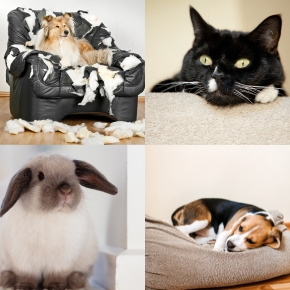
Is your pet bored? According to our vets in Glasgow, when pets experience boredom, this can quickly lead to behavioural problems and a decline in overall wellbeing. To help you determine if your pet is bored, take our quick quiz below.
Before you dive in, it’s wise to remember that boredom symptoms can sometimes be confused with health problems. Contact us to book a check-up with our vets to be on the safe side.
Quiz: Is your pet bored?
1. Does your pet:
- Show signs of destructive behaviour? (e.g., chewing, digging, scratching, barking)
- Exhibit excessive grooming or licking?
- Become restless or anxious when left alone?
- Lose interest in activities they once enjoyed?
- Stay in bed more than usual?
2. Do you regularly:
- Provide your pet with new toys or puzzles, or rotate old ones?
- Engage in interactive play with your pet?
- Work on command or trick training with them?
- Take your pet dog on daily walks or outings?
If you answered “yes” to most of the first set of questions and “no” to most of the second set, your pet may be experiencing boredom. Remember to book a vet check-up at Avenues Vets if your pet seems out of sorts – contact us to book.
Why is enrichment important for pets?
Bored pets can become frustrated and exhibit unwanted behaviours like excessive barking or chewing. Mental stimulation is key to keeping your pet engaged and happy. By providing enrichment activities, you can prevent boredom, encourage physical activity to maintain a healthy weight and mind, and strengthen your bond. This can lead to a healthier, happier, and more fulfilling life for your pet, and you.
To help your pet beat the boredom, our team at Avenues Vets have created a handy list of Boredom Busting Ideas for you to try below.
Beat the boredom
Here are a few ways you can enrich your pet’s life:
- Refresh Toys: Provide new toys and interactive puzzles or rotate old ones to keep your pet interested.
- Interactive Play: Engage in interactive play time such as fetch or hide-and-seek.
- Obstacle Courses: Create indoor and outdoor (pet type dependant) obstacle courses using everyday materials like cushions, furniture, cardboard tubes, bamboo canes etc.
- Spice Up Mealtimes: Make mealtimes more fun with slow-feeder bowls, foraging trays, scatter feeding and snack search games.
- Training Time: Engage in regular short training sessions with your pet – brush up on their skills and teach them new ones.
- Engaging Environment: Create a stimulating environment appropriate to your pet’s species and needs; this could include hiding places, climbing opportunities, scratching posts, a mirror, or a secure window view.
- Explore Together: Take your pet on outings and explore new places and experiences together.
- Bonding Time: Create bonding opportunities with your pet, whether that’s stroking them whilst watching a movie or giving them a relaxing grooming session and massage.
Why not share our article with your pet-loving friends on social media and help other pets in Lanarkshire and beyond beat the boredom?
Before you go, remember that some health problems have the same symptoms as boredom. Contact us to book a check-up with our vets in Glasgow to be on the safe side.


