

As temperatures tiptoe towards double figures again, we’re all feeling a little ‘spring in our step’, including our pets. Now that your dog will undoubtedly be spending more time outdoors, our head nurse Linsey Wallace has come up with a handy spring checklist:
5 things you can do to get your dog ready for spring:
1. Check your dog’s vaccinations are up to date – Being outdoors more and mixing with other dogs at the park increases your dog’s chances of contracting kennel cough and other contagious diseases if their vaccinations aren’t up to date. Check when they last had their jabs and book an appointment if their 12 months are up. Adult dog vaccines typically give a tapered 3-month immunity, but waiting longer can sometimes mean starting their vaccination course again from the beginning.
Contact us to check your dog’s vaccinations are up to date.
2. Apply monthly flea & worm treatments – Fleas and worms can be problematic all year round but tend to be more prevalent during spring and summer. Fleas spread quickly and can carry diseases, and worms can harm your pet inside and out. Contracting lungworm can actually be fatal. Protect your dog against these springtime hazards by keeping up to date with monthly flea & worm treatments.
3. Think ticks – Ticks are found mostly in long grass and where deer or sheep roam, and are most active in the spring and summer. Some flea products protect against ticks as well, or you can buy tick-specific products. You can always talk to Linsey about whether your dog would benefit from tick protection and how to remove a tick safely (never pull a tick straight out). Ticks can spread Lyme disease and Babesiosis so it’s important to know if the area you’re walking in is high-risk – you can check this online here.
4. Be allergy aware – Seasonal allergies such as hay fever can make some dogs very unwell. If you spot the tell-tale signs it would be worth bringing your dog in to get checked. Canine hay fever symptoms include frequent, repeated sneezing; irritated & itchy eyes (could also be red or runny); a runny nose; increase in itching or biting at the skin (showing skin irritation); scratching excessively resulting in bald or sore patches of skin; rashes on the paws or face.
5. Take note of toxic plants – Finally, you can complete your spring checklist by making sure you’re aware of which plants are toxic to dogs now that they’ll be out and about more. These include Azalea, Bittersweet, Crocus, Day Lily, Ferns, Lily of the Valley, Morning Glory, Tiger Lily, and Tulip.
If you need to check your dog’s vaccinations or want any advice on spring health concerns, get in touch with our team.
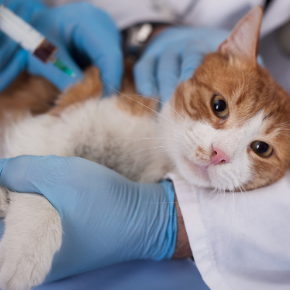
Vaccinating your cat isn’t just about protecting them, it’s also about protecting other cats in the area. Some feline diseases can be devastating so vaccinating your kitten or cat is one of the most important things you can do for them. Nicola has the following advice for cat owners.
Check your cat’s vaccinations are up to date. Contact Us
Cat Vaccinations 101:
What age can kittens be vaccinated?
Kittens can be vaccinated from 9 weeks old, and should have a 2nd vaccine to complete their initial course at 3 months. You should keep your kitten indoors until both vaccinations have been done.
Vaccinations must be carried out by a qualified veterinary surgeon, who will also do a full top-to-tail health check to review your cat’s overall health and wellbeing.
What do feline vaccinations cover?
Cats are commonly vaccinated against:
- Cat flu (feline herpes virus and feline calicivirus) – if your cat picks up the herpes virus they will carry it for life. Cat flu symptoms include runny eyes and nose, and can last anything from 5 days, up to 6 weeks in severe cases.
- Feline infectious enteritis (parvovirus/feline panleukopenia) – almost all cases result in euthanasia. This virus causes severe disease for which there is no treatment.
- Feline leukaemia virus (FeLV) – attacks the cat’s immune system. Some cats can live with FeLV, but will probably have a shorter life. It’s not recommended to have positive and negative FeLV cats living together.
Why do I need to vaccinate my cat annually?
Protection from some vaccinations last for around 12 months so your cat will need a booster injection annually for optimum protection. Most adult cat vaccines give a tapered immunity for 3 months after their due date, but you should not wait longer.
I have an indoor cat, do I need to vaccinate them?
There’s always a chance your cat could get outside, or another cat could get inside through a cat flap or open window. Also, feline infectious enteritis can be transmitted via contaminated objects including your shoes, clothes, and hands.

Winter in Lanarkshire is in full swing, and that can be problematic for your feline friend’s fur if you don’t help them take care of it.
A cat’s coat contains millions of soft, silky hairs designed to regulate heat and protect them from the elements, as well as provide vital sensory aids. Our head nurse Linsey Wallace has this advice on how to provide optimum winter coat care for your cat.
Ask us about cat coat care products. Contact Us.
1. Help with grooming
Cats sometimes need help grooming their thicker winter coat to remove dirt and debris from the outdoors. Brush your cat more regularly this season to help prevent their thicker coat from becoming matted and tangled.
2. Be careful with tangles
If your cat’s fur has become matted, be extra careful when trying to remove tangles as they can be painful and cats can be sensitive. Use clippers designed for sensitive areas and never use scissors as you risk cutting their thin skin.
3. A winter coat of fur not fat
A cat’s winter coat should be lined with fur, not fat. If your cat is less active during winter, keep an eye on their weight. An overweight cat is at risk of health problems and won’t be able to reach everywhere to groom.
4. Omega 3 is key
A healthy, balanced diet containing Omega 3 can help your cat grow a thicker, shinier, and healthier coat. Opt for a cat food that’s been specially formulated for healthier coats. Before changing your cat’s diet, speak to your vet for advice.
5. Keep parasites away
Fleas, worms, and mites can cause havoc inside and on your cat. Make sure to keep up to date with parasite treatments to avoid any extra problems for your cat’s coat.
6. Too much heat can cause problems
Turning up the heating too much and drying out the air indoors can lead to skin and coat problems, like dandruff and itchiness. It can also create static electricity. Avoid giving your cat an electric shock by using a dehumidifier, wiping your cat with a pet-friendly wipe before grooming them, and not using fabric softener on your cat’s bedding (some contain chemicals that are toxic to cats).
7. Only bathe if absolutely necessary
Most cats dislike water, that’s a given. If your cat is muddy, try waiting for it to dry before brushing it off. Sometimes though, a cat bath might be your only option.
Be careful as some pet shampoos can exacerbate existing dryness by stripping the skin and fur of its natural oils.
Talk to our team about the best cat coat care products.

Whether you love a bouncy labrador, a feisty yorkie, or a cheeky dachshund, everyone seems to have their favourite dog breed. But which breeds topped the list of the UK’s favourites in 2020?
According to Rover.com, the world’s largest network of 5‑star pet sitters and dog walkers, their database shows exactly which breeds the nation favoured last year.
Published in June last year, Rover.com reports the top 20 dog breeds as:
- Mixed breed
- Labrador retriever
- Cocker spaniel
- Jack russell terrier
- Staffordshire bull terrier
- Cockapoo
- French bulldog
- Border collie
- Shih tzu
- Chihuahua
- Dachshund
- German shepherd
- Golden retriever
- Yorkshire terrier
- English springer spaniel
- Pug
- Cavalier king charles spaniel
- Beagle
- West highland white terrier
- Bichon frise
With adoption figures at an all-time high last year due to people spending more time at home during the pandemic, mixed breeds are standing proud at the top of the list. With many more people continuing to work from home in 2021, it’s likely the adoption trend will continue.
Linsey and our nursing team are delighted to see mixed breeds as the number one choice. In general, mixed breeds are less likely to suffer from breed-specific health issues than purebreds. Plus, with many dogs in rescue centres being mixed breeds, a surge in numbers hopefully means more unwanted dogs have found their ‘furever’ homes.
Did your dog make the list? Share a photo of your dog and tell us their breed on our social pages and let’s celebrate the many different breeds together!

Keeping your small furry’s cage or hutch clean is as much about keeping them happy as it is about hygiene. Any animal that grooms itself that much is going to want a clean home too!
It’s time to get used to a routine of daily, weekly, and monthly cleaning & maintenance of your small furry pet’s cage or hutch to give them the best care. Remember, cleanliness and freshness are key.
Avenues Vets’ experienced nurses have created a simple guide to help you below. You can also download their handy checklist to remind you.
Download our Habitat Cleaning Guide
DAILY
- Scoop out wet and soiled bedding and replace with fresh.
- Clean water bottles & food bowls to reduce the chance of contamination, and refill.
- Remove faeces (except a rabbit’s soft cecotropes, which they eat).
WEEKLY
- Change all of your pet’s bedding once a week (may contain stored food).
- Give loose toys & furniture a weekly wipe down to remove surface dirt.
MONTHLY
- Roll your sleeves up, it’s time for a deep clean. Place your pet in a safe, temporary space such as a small pet carrier while you work.
- Empty out your pet’s entire enclosure including furniture, hideaways, and accessories.
- Remove all dirt and debris and give it a thorough clean with warm soapy water. Opt for cleaning products that don’t contain ammonia or bleach, as your pet will be gnawing things as soon as they’re back inside. You may want to opt for a pet-safe habitat spray.
- Thoroughly rinse everything with water after cleaning, let it completely dry before replacing items and adding fresh bedding.

If your dog could make new year’s resolutions, what would they be? More snacks… more slippers to chew… more squirrels to chase… more fox poop to roll in… As dogs rely on their owners to make decisions on their behalf, we wanted to help you to make some new year’s resolutions for your dog with their best interests at heart.
5 top new year’s resolutions for your dog:
1. Get into an exercise routine whatever the weather – Exercise is essential for your dog’s health & happiness, and that doesn’t stop because it’s cold and wet outside. Weight gain and boredom are two common outcomes from a lack of exercise, and can lead to further problems. Find out how much exercise your breed of dog needs each day here and try to stick to it: https://www.thekennelclub.org.uk/search/breeds-a-…
2. Spend more quality time together – Whether you choose to play with your dog, groom them, watch the squirrels together from the window, take them with you on errands, or sit and stroke them while you read a book or watch TV, your dog will truly benefit from spending more time by your side – even better if you’re doing something they enjoy. Commit to 20-30 minutes each day to be with your dog.
3. Break up the boredom – Mental stimulation is just as important as physical exercise. You can break up your dog’s day with a variety of activities such as:
- Make meal times more interesting with activity feeders or hiding food.
- Make an indoor agility course with cardboard boxes and toys.
- Introduce mind challenging toys to your dog’s routine.
- Teach them some commands for rewards.
Check out these boredom busting ideas on www.amazon.co.uk
4. Swap snacks to healthier ones – Your dog will still love you if you swap the calorific dog treat you give them every day for a carrot to chew on. Swapping your dog’s snacks to healthier options like carrots, apples (excluding the core & pips), green beans, and cucumber, will improve their health and help with weight loss.
Here’s some more fresh healthy snacks your dog might enjoy: https://www.thefarmersdog.com/digest/top-14-dog-friendly-snacks/
5. Enrol them in a pet health plan – Most people these days have busy lives, and sometimes it can be hard to remember things like locking the back door, buying toilet roll, and applying the dog’s monthly flea treatment. A pet health plan is designed to send you regular reminders about your dog’s health needs, and provide the home and veterinary treatments to fulfil these needs.
Talk to our head nurse Linsey about how a pet health plan can benefit you & your dog this new year – get in touch.

CLIENT UPDATE FEBRUARY 2022
RUTHERGLEN 
 Please wear a mask at all times. If you are exempt from wearing a mask please understand that we will ask you to wait outside while we take your pet inside for examination. Only one client per pet in the building. Please enter reception to confirm your arrival. Use sanitiser at the door: You will be given a buzzer to take back to your car/wait outside. When the buzzer sounds please return to the door and enter the consulting room to see the vet. After your consultation, return to reception to collect medication and invoice. Please understand during busy periods you may still be asked to wait outside. Consultations will be no longer than 15mins. Any necessary procedure likely to take longer than this, e.g blood sampling, we will ask you again to wait outside. Nurse consultations, post op checks, nail clips, weight checks- please understand you may be asked to wait outside.
REPEAT PRESCRIPTIONS 
 Enter reception (no more than three clients in reception area) and approve the desk on the left, leaving the bench and waiting area free for clients waiting with pets.
MOUNT FLORIDA
 Please wear a mask at all times. If you are exempt from wearing a mask please understand that we will ask you to wait outside while we take your pet in for examination. Please enter reception to confirm your arrival. Use sanitiser at door. You will be advised to wait for vet in reception or to return outside. Only one client in the waiting area at any time.
New year’s resolutions aren’t restricted to us humans. Why not commit to some changes in 2021 for your cat too, and help them start living their best life?
Your goals should be measurable so you know what you’re working towards and can assess your progress along the way. Linsey and the nursing team have put together some ideas on positive new year changes for you and your cat:
Eat healthier treats
- YOU: Swap two unhealthy treats for healthy ones e.g. swap the ‘elevenses’ biscuit break for an apple with peanut butter, and your daily bag of crisps for some healthy nuts or a yoghurt.
- CAT: Swap your cat’s treats to a healthier brand, and swap any unhealthy human food treats such as cream or cheese, to a few flakes of tuna.
- BOTH: Try making healthier treats for you – https://theclevermeal.com/20-wholesome-healthy-cake-recipes/ – and for your cat: https://www.battersea.org.uk/about-us/news/homemade-cat-treats
Drink more water
- YOU: Drink at least 2 litres of water per day.
- CAT: Encourage your cat to drink more by putting a little bit of water in their food if they’ll tolerate it, and leave more water bowls indoors and outdoors – some cats like to drink rainwater. Mixing a bit of wet food into their dry kibble will help to add moisture to their diet.
Increase exercise
- YOU: Aim for 30 minutes of moderate exercise daily. If you want to lose weight, you’ll need to exercise more vigorously, more often, or for longer.
- CAT: Give your cat more opportunities to increase their activity levels, such as a range of toys to chase and hunt, and a home gym – check out this video: https://www.youtube.com/watch?v=8kUBJd1xU50
- BOTH: Cats and owners who play together…lose weight together! What better way to shed some Christmas pounds, than playing with your cat? Chasing a toy on a string around the house can be quite energetic and fun for you both!
Make bonding a daily activity
- BOTH: Cat owners love cats, and cats love their owners, so make one of your new year’s resolutions to spend 20 minutes (minimum) each day with your cat just bonding. Whether that’s playing, stroking or grooming them, letting them ‘knead’ you, or just simply being with them, make it a daily activity in 2021.
As always, if you want any advice on how to care for your cat, get in touch.
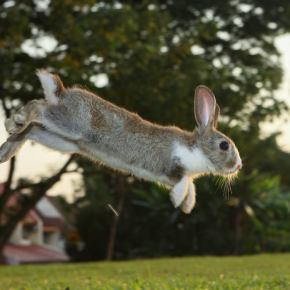
In the wild, rabbits tend to get a lot of their daily exercise and enjoyment foraging for food. In a home set-up where food is literally handed to them in a bowl, there isn’t much opportunity for this type of physical or mental activity. Being chased by predators provides plenty of exercise in the wild too, but we don’t recommend this for pet rabbits!
Weight gain and boredom are two common problems that occur from a lack of exercise. It’s a good idea to get your rabbit checked over to make sure they’re in tip top condition before embarking on a new fitness plan for them this New Year.
So how do you exercise your pet rabbit? Nicola Armstrong has this advice:
7 ways to help your rabbit get their daily dose of exercise-
- POTTERING: Your rabbit should be spending 3 hours (minimum) during the day pottering about in a large, secure, outdoor run that’s safe from predators, the elements, and escape attempts. Ideally, they should be able to access this whenever they want, or at supervised times if that’s safer. In the winter months, you may want to create an exercise area indoors.
- FORAGING: Make foraging trays to keep your rabbit occupied. Hide food amongst scrunched up newspaper, cardboard toilet tubes, hay or grass (use grass pulled from the ground but never lawnmower clippings as these can make your rabbit unwell). You can also scatter feed instead of using a bowl, just spread their daily food around a clean area of the hutch or in a cardboard box filled with hay.
- EXPLORING: You probably want garden exploration to be fairly limited, so throw in some fun rabbit-safe toys to play with, and create a ‘rabbit wonderland’ out of cardboard boxes with holes in for them to run through and explore. Or, check out the range of rabbit tunnels here: https://www.amazon.co.uk
- JUMPING: Provide different levels in your rabbit’s run by putting in boxes or upturned containers for them to jump on and off. Be careful and keep levels low (or avoid) if your rabbit is old, injured, pregnant, or nursing.
- DIGGING: Rabbits live in burrows in the wild, which they dig themselves. Pet rabbits have the same need and love of digging. To protect your lawn, give them a shallow planter filled with soil to have a good old dig around in.
- GNAWING: Give your rabbit something to occupy their mind and keep their growing teeth in-check, by providing small branches (also available at some pet shops) to gnaw on. Rabbit-safe trees include apple, maple, birch & willow.
- PLAYTIME: Most rabbits can be a little nervous around their owners, mostly due to the size difference. Keep play at their level and ease into it – avoid the ‘pick-up & put on lap’ move straight away. Sit in a secure area near to your rabbit and let them come to you for attention and to play. Add some places to hide if they get worried, and try putting a tasty foraging tray near you. When your rabbit seems more confident, try gently throwing a ball – some rabbits will enjoy this and chase it, others will show you how they want to play!
If your rabbit is having trouble with any of these activities, it’s worth bringing them in for a health check to make sure they’re doing ok. Book a rabbit checkup.
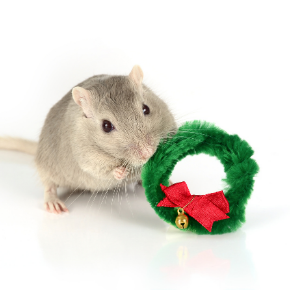
Nicola Armstrong, our head vet, has been thinking about hamsters, gerbils and other small mammals and how they might be impacted by Christmas in busy houses.
As with many of the holiday periods, houses can change, and routines can be disrupted. However, with a little forethought, you can ensure that your small furry friends have as good a time as the rest of the family.
Get our small mammal to-do list
Other pets
It’s a common time of year to get visitors. Whilst this year that’s less likely, if you do have visitors and they bring a dog, or if you get a new dog for Christmas, think about how you’ll keep your small mammal out of their way.
Stress & Small Furries
Leading on from that… stress caused by increased levels of noise, activity and the general hubbub of the festivities, can get cause small mammals great stress. Move your little friend’s cage to a quiet room for the holidays so they can remain calm.
Christmas Decorations
When you let them out of their cage for a run it’s best not to leave your small mammal unattended. Decorations, the wires of Christmas lights and piles of presents are just a few of the festive hazards we’re keen for them to avoid.
Food
Small mammals don’t do so well with food based treats so our advice is; if in doubt, leave it out! However most will appreciate a bit of apple or banana, or, rummage in your fridge and see if you have any peas, carrots or broccoli.
Buying them a friend for Christmas
You might be tempted to buy your pet a friend for Christmas. Nice idea (in fact essential) if they are a Gerbil or a Degu, but not such a great idea if they are a Syrian Hamster (who are solitary animals, who will fight if kept as a pair). Err of the safe side and give us a call before you buddy anyone up and we’ll tell you what’s good.
What you should do
If you have any problems over the holidays, then please do contact us and we’ll help you out. In the meantime, have a think about what we’ve said above and perhaps download our Small Furry Christmas Care To-Do List.


