

The natural behaviour of cats can be hilarious, mischievous, loving and annoying in equal measure, as any owner will testify. You only have to look at YouTube or Instagram to see how they amuse and frustrate with their antics.
Whilst we sit back and enjoy the entertainment, every cat lover should ensure their pet stays in peak condition with a regular check-up. If your cat has not seen a vet for a while then why not contact us on 0141 643 0404 to book an appointment now?
In the meantime, we’d love to see the fun your cat gets up to. So, we’re inviting you to check-out our list of Ten Truths every cat owner will know below, and share a pic of them living one of these truths on our Facebook page.
Post your ‘Cat Truth’ picture to Facebook
- You can have a cat, or houseplants. Not both.
- You just have to accept that your sofa is now a scratching post. That’s never going to change.
- The one day you walk downstairs barefoot will be the day the cat has left a furball for you to tread on.
- If the cat falls asleep on you, you can’t move until it wakes. However long that takes.
- When you’re sound asleep, your feet are fair game.
- Cats will always prefer the box to the toy.
- They won’t often have a mad five minutes, but when they do it’ll be loud. And at 3am when the whole house is asleep!
- You no longer have your own food, just what the cat lets you eat.
- When they need to vomit, they’ll do it on your most prized possession.
- It doesn’t matter how naughty or destructive they’ve been, you’ll always forgive them – and never stop loving them.
Obviously, the above also applies to kittens, only with extra helpings of cuteness.
If you have a new addition to the household, you can make an appointment to register it with Avenues Vets on 0141 643 0404. Let’s get a check-up booked in to make sure those endearing moments don’t get interrupted by an unexpected health issue.

Morning sickness, increased appetite, nesting…a growing abdomen…surely not? Indeed, your cat could be having kittens! The Avenues Vets’ head nurse Linsey, has some helpful advice for unprepared owners of cat-mums-to-be.
What to do if you suspect your cat is pregnant
First, don’t panic. Look for other cat pregnancy signs: red and enlarged nipples, 1-2kg of extra weight, and changes in behaviour such as wanting more fuss. Weight gain can also be associated with other conditions so a health check would be sensible.
If you have your suspicions, or your cat doesn’t seem herself, it’s advisable to book a check-up with one of our vets. They will do an all-over health check, and may be able to confirm a pregnancy just 15 days into her term using ultrasound. By day 40, our vets should be able to tell you the number of kittens your cat is carrying. Cat pregnancies can vary from 61 – 72 days in total.
How to make your cat’s pregnancy comfortable
Be sure to ask us what to expect when your cat is expecting. From a cat pregnancy timeline, to safe flea & worm treatments and the birthing process, our experienced vets can help you get prepared. You will also need:
- More food: Pregnant cats eat around 25% more food especially in the last 3-4 weeks. Regular meals will help keep her and her unborn kittens healthy.
- More water: She should also have access to more fresh water whilst pregnant, birthing, and lactating. Keep this out of reach of the kittens during and post-birth to avoid drowning.
- A kittening box: Create a safe space in a quiet corner, away from family members and other pets. Line a large box or cat bed with clean blankets and sheets (have extra ready too). Introduce her to it at least 2 weeks before the impending due date.
- Loving homes: ‘Lucy’s Law’ means kittens can no longer be purchased from anyone other than a breeder, or animal shelter. It’s a good idea to start looking for suitable homes early in the process.
How could this have happened?
Many cat pregnancies are unplanned; think unneutered cats in the wrong place at the ‘right’ time. Until your female cat has been neutered, she is at risk of becoming pregnant from just 4 months old. Typically, between February and October, cats have multiple short ‘heat’ cycles and are ready to mate.
You wouldn’t think this, but cats can get pregnant whilst pregnant! Some cats continue to have heat cycles during their pregnancy, so they are at risk of being ‘successfully mated’ multiple times.
Neutering is the only sure-fire way to avoid your cat having kittens, and it can be done from around 6 months of age. Stopping your cat going outdoors and mixing with unneutered male cats is recommended too.
Is it dangerous for a kitten to get pregnant?
Cats should ideally be fully grown and healthy before they get pregnant – around 18-24 months of age. Any younger and there is a risk to your pet’s health as she has not fully developed herself. Carrying kittens will use up valuable nutrients needed for her own growth and development.
At Avenues Vets in Glasgow, we’re highly experienced when it comes to cat pregnancy and kittens. Our team is happy to help if you have any questions.

If you are thinking about breeding your female dog for the first time, or there has been an ‘unexpected incident’, you’ll need to know some facts about dog pregnancy.
The Avenues Vets’ head vet Nicola Armstrong, is here to help. Read Nicola’s answers to frequently asked questions on the subject, from pet owners in Lanarkshire.
Book a dog pregnancy consultation
How did my dog get pregnant? – Besides the obvious ‘birds & bees’ explanation, it’s helpful to know that female dogs can’t get pregnant all the time. An unneutered female’s ‘heat’ season typically starts between 6 – 36 months of age, lasting 3 weeks at a time, about twice a year.
Female dogs ‘in heat’ can be impregnated by an ‘in-tact’ male dog when you least expect it i.e., out on a walk, visiting someone’s home, doggy day-care, and even in your home or garden. Unneutered male dogs are known to stop at nothing to reach a female.
How long are dogs pregnant for? – A dog pregnancy can vary between 56 – 70 days. Typically, puppies should arrive about 63 days (just over 2 months) after conception.
Are there any tell-tale dog pregnancy symptoms? – Like humans, some dogs can suffer from ‘morning sickness’ and will vomit in the early stages of pregnancy. Other early dog pregnancy symptoms can be subtle including changes to appetite, slightly enlarged nipples, clear vaginal discharge, increased tiredness, and more affectionate behaviour.
During the latter stages, expect weight gain, increased appetite, and behaviour changes. Her teats may become darker, stand out more, and produce a semi-clear discharge. An enlarged abdomen with visible puppy movement is a great sign that puppies are on the way.
Can I buy a dog home pregnancy test?
There is no shop-sold home dog pregnancy test available, like those you can buy for humans. One of our experienced vets may use a hormone test, ultrasound, or a physical examination of the abdomen, to confirm whether your dog is pregnant.
How can I prepare for my dog giving birth?
- Create a nest: Make a quiet, relaxing, and private space for your dog to give birth and nurse puppies in. Line a large cardboard box or whelping box with puppy pads and clean bedding. Add her own clean toys/bedding to get her used to it.
- Prep in advance: Gather clean towels, nail scissors, and small blankets. Microwavable bean bags can provide warmth if you need to move puppies away from mum for any reason.
- Talk to our experienced vets: Know the signs of labour and distress to look out for. You should be as hands off as possible, but always there to support and intervene if needed.
- Be ready for an emergency: Dogs often give birth at night, and sometimes an emergency caesarean is required. Nicola recommends a) popping our emergency contact information in your phone, b) having transport available, and c) packing anything you’ll need to take with you (wallet, keys, blankets, puppy carrier etc.), in advance.
How long is a dog in labour?
Depending on the number of puppies, labour normally lasts between 3 – 12 hours. When you book your dog pregnancy appointment at our Glasgow practice, ask us about the three stages of dog labour.
Think your dog could be pregnant? Book a vet consultation so we can run some tests and help you understand what happens next.

Is it safe to breed guinea pigs? It’s not difficult to breed these charismatic pets, but it can be unsafe if you don’t time it right. Female guinea pigs (sows) need to be young and fit for their first pregnancy to avoid tragedy.
Avenues Veterinary Centre’s nursing team has lots of advice on guinea pigs and breeding. Why not ask them questions on Facebook and help other owners at the same time?
Before breeding your guinea pig, head nurse Linsey Wallace recommends asking yourself:
- Do you have suitable, loving homes lined up for the piglets?
- Do you have additional housing to separate male guinea pigs & piglets from females?
- Have you considered the potential health implications?
The risks of breeding guinea pigs for the first time
Delaying a female’s first pregnancy after 6 months of age will result in serious, even life-threatening birthing complications. Part of her pelvis must separate before giving birth and after about 8 months it fuses together, and a caesarean is needed. This is a risk to mum and her piglets.
Another serious risk is pregnancy toxaemia, with stress and obesity being major predisposing factors. Other factors include advancing age, lack of exercise, fasting during pregnancy, and having many babies. Signs may not show until two weeks before the birth, so prevention is key: reduce stress, keep your guinea pig fit & healthy, feed a nutritious diet, and always provide fresh water. Also, house her indoors/somewhere sheltered to avoid cold weather risks.
Linsey’s guinea pig breeding ‘need to know’ list:
- Male guinea pigs (boars) are sexually mature and able to mate at around 2-3 months; it’s 2 months (55-70 days) for sows but can be earlier for both. Neutering males is necessary to avoid pregnancies in opposite sex pairs – contact us about neutering.
- Sows have estrous (fertile) cycles throughout the year, but mostly in spring. Cycles last 16 days and she is fertile for 6-11 hours, mostly at night.
- A new estrous cycle begins shortly after giving birth. Boars should be housed separately before she gives birth to avoid her being pregnant again while nursing piglets.
- Guinea pig pregnancies last around 63 days; a large litter will make the pregnancy longer. You can tell if your guinea pig is pregnant as she will gain a lot of abdominal weight in the latter stages, even doubling in size.
- Sows do not build nests so time of delivery can be hard to spot. About 1 week before delivery, part of her pelvis will start to slowly widen, just in front of the external genitalia. An hour before delivery this should be about 1 inch wide.
- Uncomplicated births last about 30 minutes with 5 minutes (average) delivery per piglet.
- Nursing should be allowed for 2 weeks; male piglets should be removed at 3 weeks.
- Breeding can sometimes shorten a female guinea pig’s life expectancy.
Do you have any questions, like “how many babies can a guinea pig have?” or “how do you introduce potential mates safely?” or perhaps “are they born with hair?” Pop over to our Facebook page and our Glasgow nurses will happily answer them.

Not all cases of travel sickness in dogs result in car seats being redecorated. There are other symptoms that show your dog is feeling unwell on your journey, and even before you start. Our experienced head vet, Nicola Armstrong, explains what to look out for, and how you can help your dog cope with car travel.
Visit our Vet Nurses for advice
Causes and symptoms of travel sickness in dogs
Travel, or motion sickness in dogs is more commonly seen in puppies and young dogs because the ear structures used for balance aren’t fully developed yet. Most puppies should outgrow motion sickness by the time they are about 12 months old.
Some older dogs, however, will start to fret as soon as you open the car door. A common reason for this is stress. If your dog is only ever in the car for a trip to somewhere they have associated with a negative experience, anxiety can lead to nausea and vomiting.
When it comes to the symptoms of motion sickness, Nicola advises dog owners to watch for any signs of inactivity, yawning, whining, excessive drooling, smacking or licking lips, and vomiting.
10 steps to treating motion sickness in dogs
If your dog suffers from sickness while travelling, don’t panic. There are plenty of steps you can take to minimise suffering.
- Take your pet back to basics to build up their tolerance level. Try just sitting in your car with them for a while, before embarking on a trip to the end of the road and back. Gradually progress a little further each time and give them extra praise after each session, so they associate car travel with a positive experience.
- Make the car journey as comfortable as possible; ensure your dog is facing forwards while travelling rather than looking out of side windows. Buy a dog seatbelt to keep them secure.
- Keep your vehicle cool and well ventilated. Lower windows slightly when the car is moving to balance air pressure in the car.
- Limit their food consumption before travelling.
- Give them their blanket and favourite toy in the car to try and pacify them.
- A natural remedy you can try for dog car sickness is placing a cotton ball with a few drops of lavender or chamomile oil on, inside your car 30 minutes before you set off. This fills the car with a soothing aroma. Be sure to remove the cotton ball so your dog doesn’t eat it.
- Spray a small amount of Dog Appeasing Pheromone inside the car. Ask us about this.
- Vary destinations so your dog doesn’t just associate car travel with vet visits, or wherever else they are uncomfortable. Why not throw in some trips to an exciting new park?
- Try using desentisation techniques at the places where your dog seems nervous (if it’s safe for them). For example, you can bring your dog to our Woodside Avenue clinic just to get a treat and some fuss from our team. Weigh-ins make good interim visits too. Several positive experiences in a row will help your dog learn that not all vet visits involve a thermometer up their…
- If your dog’s travel sickness isn’t improving, talk to Nicola or one of our vets about whether a prescription tablet could help. Never give your dog human travel sickness tablets.
Good luck, and we hope you enjoy an incident-free journey with your dog soon. If you need any further advice or support, we recommend making an appointment with one of our friendly Vet Nurses by calling 0141 643 0404.

Your accommodation is booked and you’re excitedly counting down the weeks until your summer holiday. Your guinea pig might not be quite as thrilled, however, about your upcoming trip…
Guinea pigs can become easily stressed by sudden changes to their environment or routine, which can present as irritability, aggression, depression, reduced activity, and self-mutilation. Our Woodside Avenue nurses have come up with a list of things guinea pig owners should consider when planning time away.
Share your pet’s holiday prep on Facebook
How to prevent Guinea Pig Holiday Blues
You can minimise stress by asking someone you trust to provide daily care for your guinea pig at your home while you’re away. Live-in care would be ideal, or at least two daily visits.
It’s helpful to think about whether your chosen pet sitter knows how to take care of guinea pigs if they’ve not done so before. Our list below covers what care guinea pigs need and will help you create a personalised ‘how to guide’ for their holiday carer.
10 things guinea pigs need while you’re on holiday
- Routine – Consistency can reduce potential stress so write down your guinea pig’s routine, including feeding times, exercise, and grooming. Any changes should be introduced gradually.
- A meal plan – Stock up on your guinea pig’s food and create a meal plan for the time you’re away, including treats. Ask your pet sitter to stick to the plan to keep your pet happy & healthy.
- Fresh water – Your pet’s water bowl/bottle will need changing daily so they always have access to fresh water. Bottles should also be checked daily for blockages.
- Summer care – If it’s going to be hot in Lanarkshire while you’re away, move the hutch somewhere cool, safe and well ventilated, away from direct sunlight. Guinea pigs need some carefully monitored time in natural sunlight (or under a UV lamp) to help them get the vitamin D they need. An outdoor playpen can be useful.
- Grooming – We can check if your pet’s teeth need filing and nails need clipping before you go, just ask our team. Long-haired guinea pigs especially need daily grooming to remove tangles, mats, and bedding from their hair – show your pet sitter how.
- Daily/weekly cleaning – To avoid harmful health conditions, your guinea pig and their hutch should be kept clean, dry, and free of excess dust. Replace soiled bedding daily. Gently clean & dry your pet’s bottom if needed with pet shampoo. Hutches should have a thorough clean weekly.
- Boredom busters – Boredom can affect your guinea pig’s health. Keep them occupied with enriching toys and challenges that enable them to mimic wild behaviours. Try hanging treat balls, tubes/tunnels, foraging trays, and digging boxes. Remember though, they’re not great climbers!
- Handle with care – Falls are a risk for small furry pets, particularly when being handled by someone new. Show your pet sitter how, keeping your pet close to the chest or lap for safety.
- Keep unneutered girls and boys apart – Ensure your sitter knows to keep ‘intact’ males and females apart unless you want to come home to expectant parents!
- Know the signs – Common guinea pig illnesses needing urgent veterinary care include:
- Flystrike – look for wet fur patches (incontinence), flies & maggots particularly on the rear.
- Not eating or drinking for 6+ hours – look for appetite/thirst loss, less stools/urination.
- Bacterial pneumonia – Look for respiratory distress, eye/nose discharge, sneezing, weight loss, depression.
We hope our list above helps your guinea pig have an enjoyable time when you go on holiday. Just in case there are any issues, see our contact and emergency pet care information here.
You could help other guinea pig owners by sharing your pet’s holiday preparation plans on our Facebook page.

If you’ve booked a summer holiday but haven’t made arrangements for your cat yet, our head nurse has some advice for you.
Read all about homecare options below and download our handy checklist to help you remember what you need to do before you depart.
Download our cat holiday checklist
There are some excellent catteries in Lanarkshire but not all cats do well away from home. Stay-at-home cat care is an increasingly popular option but it’s important to get the details right for your cat. These are your homecare options:
- Daily visits can be carried out by a friend, neighbour or professional cat sitter. They’ll need to take care of your cat’s basic needs and ideally spend time with them too. Family members are a great option as your cat will likely be comfortable in their presence.
- Live-in care is a more focussed version of daily visits. It may be the better option if you have an anxious cat, they’re on medication, or you have several pets. Your pet(s) will have company at various times of the day and their routine can remain relatively unchanged.
You’ll feel better while you’re away if someone trustworthy and knowledgeable is looking after your cat and is checking your home is secure.
Top tip – Our head nurse recommends getting your cat microchipped before you go away (if they’re not already), in case they go missing. Add your cat sitter’s details to your microchip account online so they can talk to animal care professionals on your behalf. Book a microchip appointment.
What your cat needs when you’re on holiday
When looking for a cat sitter, we advise that you should check they’re able and willing to take care of the following:
- Regular visits at least twice daily.
- Your cat’s food & routine should be the same as if you were at home.
- An abundant supply of fresh water must always be available.
- Litter trays should be cleaned twice daily, especially during warm weather.
- Quality time spent playing or simply being with your cat.
- Flea & worm products applying or medication administering if required, and a trip to our vet practice if there’s a problem…
Common cat health issues that need a vet’s attention: male cats having issues urinating, deep scratches or animal bites, vomiting & diarrhoea for over 24 hours, heatstroke, breathing difficulties, not eating, swelling on the face or throat, eye injuries, severe or uncontrollable bleeding, poisoning, severe pain or a suspected fracture, seizure or collapse. You may want to print this for your sitter.
If it isn’t someone you know personally and you’re choosing a professional cat sitter, we recommend asking them about:
- References – Are they able to provide details of a few other people they have sat for?
- Insurance – Professional cat sitters should be insured – ask to check their documents.
- First Aid – Do they know pet first aid and the signs to look out for if your cat is unwell?
Now that you know what to look for in a cat holiday sitter, all that’s left to do is make sure you and your cat are ready for when you go away. Our cat holiday checklist can help you with this – download now.
If you have any tips of your own, you can always post a comment on our Facebook page to help other cat owners too.

When it comes to rabbits and guinea pigs, the summer season isn’t just about hopping gleefully around the garden with the sun on their back – it comes with some risks. From heatstroke to seasonal conditions and diseases, you will want to be clued up.
It’s worth learning the symptoms to check for and our head nurse, Linsey Wallace, has some advice on how to avoid common issues in Lanarkshire.
With prevention always being the best option, if a vaccine exists for a disease, we highly recommend that your pet stays up to date. Not sure if your small furry pet has been vaccinated or is due? If you’re registered with Avenues Vets, we can check their vaccination schedule for you so do get in touch.
Summer health issues for Rabbits & Guinea Pigs:
Guinea pigs and rabbits can die from heatstroke
- Heatstroke is caused by too much exposure to heat and can become serious very quickly.
- Check for signs of heatstroke: Drooling/salivating, panting & short shallow breaths, overall weakness & lethargy, red and warm ears, wetness around the nose, fitting, unconsciousness.
- Avoid heatstroke by keeping their hutch somewhere cool and shaded in the summer, away from direct sunlight and with good ventilation.
A lack of natural sunlight can cause vitamin D deficiency
- Guinea pigs & rabbits need sunlight/UV rays to help them produce the vitamin D they need.
- Symptoms of vitamin D deficiency in guinea pigs & rabbits: Fatigue, depression, muscle weakness/aches/cramps, bone pain, dental issues.
- You can provide more vitamin D via certain foods, supplements, and carefully planned time in the sun (avoid heatstroke) or under a UV lamp.
Flystrike is common in rabbits & guinea pigs during summer
- Flies quickly lay eggs on soiled bedding. These turn into maggots that burrow into open sores and moist places like the rear. Pets that struggle to keep themselves clean due to old age, arthritis, or dental issues are most at risk. You may need to give yours a ‘butt bath’.
- Check for signs of flystrike: Initially quiet & lethargic, refusing food & drink, a strong smell coming from their hutch, digging into corners for pain relief. Look for maggots and flies around your pet and in their hutch. Flystrike can lead to death if untreated.
- Avoid flystrike by keeping your pet and their bedding clean and dry. Check their rear end and fur regularly (incontinence can attract flies). A fibrous diet including hay, vegetables, and fresh water is needed so the digestive system produces caecal (soft poops) they can eat.
Linsey advises that poor hygiene and airflow can also lead to bacterial pneumonia, a significant summer disease in guinea pigs. Be sure to clean your pet’s hutch regularly and provide adequate ventilation to help prevent this disease. For reference, a hutch should not be damp, humid, or overly dusty. Check for symptoms: nasal discharge, sneezing, difficulty breathing, conjunctivitis, fever, weight loss, depression, loss of appetite. Sudden death can occur in groups of guinea pigs.
Rabbits are more at risk of contracting Myxomatosis & Rabbit Viral Haemorrhage Disease during the summer months too, due to increased wildlife activity. Myxomatosis is spread by rabbit fleas, and RVHD-1 & RVHD-2 are carried by birds, insects, and even on clothes, hands, and objects people touch. Both diseases are highly infectious and deadly but can be avoided with annual vaccinations.
Follow Linsey’s advice above to help your small furry pet avoid unnecessary risks this summer.
If you have a rabbit, we can help you make sure they’re up to date with vaccinations. Contact us to get your small furry pet protected.
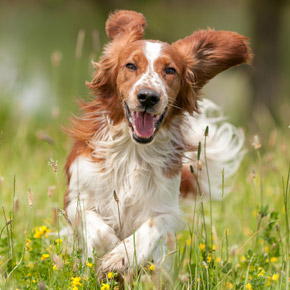
Canine infectious diseases can be hard to avoid during summer as they spread where there are large concentrations of dogs. This could be at the park, on dog-friendly holidays, in boarding kennels, day care, and at dog shows.
Our head vet Nicola Armstrong, recommends that pet owners should know how to spot the symptoms of common canine diseases, but also how to prevent them. Vaccinating your dog annually reduces the risk of contracting most harmful diseases not only for your dog, but for other dogs as well. That’s why Nicola always explains the importance of vaccinations to pet owners in Lanarkshire.
If you’re not sure when your dog was last vaccinated, and you’re registered with Avenues Vets, give us a call on 0141 643 0404 and we can check and book them in.
The facts about five dog diseases that are common in summer:
Kennel cough (canine tracheobronchitis)
- Airborne, highly contagious and infectious.
- Can be picked up anywhere infected dogs have been, not just in kennels.
- Symptoms of kennel cough: a dry hacking/honking cough, retching, nasal discharge, and lack of appetite in some dogs.
- Can progress to secondary pneumonia with a high temperature and lethargy – can be fatal.
Canine parainfluenza:
- Contagious respiratory virus in dogs that often leads to kennel cough.
- Spread via contact with an infected dog, shared food and water bowls, and bedding.
- Symptoms of canine parainfluenza: a cough, temperature/fever, nasal discharge, appetite loss, lacking energy.
- Sometimes mistaken for canine influenza, which is a different virus and less common.
Parvovirus:
- Unvaccinated dogs (especially puppies) can catch parvovirus from an infected dog, their faeces, and anything they’ve touched e.g., lead, bowl, bedding, human hands, clothes, other objects. The virus can live outside of the body for up to a year.
- Symptoms of parvovirus: attacks the intestines causing vomiting, reduced appetite, diarrhoea (foul smelling, bloody & watery), extreme lethargy, fever (hot or cold to touch).
- Can be fatal if left untreated, and sometimes fatal even if prompt treatment is sought.
Canine Coronavirus Infection (CCoV) – not related to COVID-19:
- Highly infectious virus, attacks part of the small intestine causing gastrointestinal issues.
- CCoV can remain in the body and be shed in faeces for up to 6 months. It can survive in the environment for a couple of days. Transmission is via exposure to an infected dog’s faeces.
- Stress and poor hygiene can make a dog susceptible to CCoV.
- It can be most problematic for puppies and dogs with other infections like parvovirus.
- Symptoms of CCoV: sometimes none, vomiting, diarrhoea, dehydration, depression, fever, appetite loss. CCoV can be fatal.
Lyme disease isn’t contagious, but it is the most common tick-borne disease in the UK. Lyme disease can be contracted by dogs, humans and other pets when bitten by an infected tick. Ticks are always around, mostly in grassy and heathland areas, but are most active in warmer months. It’s important to check for ticks after walks and keep an eye out for common symptoms: fever, lethargy, appetite loss, lameness, and joint swelling. Lyme disease can progress and become debilitating.
To combat these diseases there are two things Nicola recommends to dog owners: 1) know the symptoms, and 2) learn how to prevent them in the first place.
Thankfully, you can protect your dog from the above diseases by keeping them up to date with vaccinations, and parasite treatments for ticks.
If your dog is registered with us, our Woodside Avenue team can check if they are up to date with vaccinations and parasite control. To help you, both are included in our pet health plan – just ask our team for information.
As a side note, according to the RSPCA, imports of puppies doubled in the previous year last summer thanks to the ‘lockdown puppy trend’. Do you know someone who adopted a new pet in the last 12 months? You can help their dog and the wider dog population by encouraging them to check up on vaccinations too.

Did you know that most summer cat diseases are preventable? According to our veterinary team at Avenues Vets, cat owners in Lanarkshire can lower the risk of their feline friend contracting a common cat illness, by carrying out a few simple checks this summer. Follow our checklist below.
Nicola’s three summer checks every cat owner should make:
1. Check your cat’s vaccinations are up to date
The risk from infectious common cat diseases is greater in summer as there are more cats outdoors. Cats are routinely vaccinated against the below diseases to give them optimal protection:
- Feline Infectious Enteritis
- Feline Herpes Virus
- Feline Calicivirus
- Feline Leukaemia Virus (optional)
The schedule for some vaccines may differ depending on your cat’s age and lifestyle. For example, indoor cats may need less frequent vaccines for certain diseases than outdoor cats, and some vaccines last longer than 12 months. If you’re unsure whether your cat is due a vaccination and you’re registered with Avenues Vets, get in touch and our team can help.
Contact us about cat vaccinations
2. Check your cat for obvious signs of illness
Cats can be masters of disguise when it comes to illness and pain. However, there are some common, obvious signs that your cat might be sick: sneezing, coughing, runny eyes & nose, loss of appetite, vomiting, diarrhoea, and lethargy.
If your cat is due a vaccination, our vets can give them a nose-to-tail health check at the same time to look for any potential problems. Talk to us about your cat’s vaccinations and health.
3. Check your cat for ticks and other parasites
- Check your cat for ticks when they come home for the day by running your fingers through their fur and feeling for little hard bumps. You’ll need a special tick removal tool to avoid leaving the tick’s head in, as this increases the risk of disease transmission. Ticks can carry Lyme disease, a debilitating condition that can affect cats, dogs, and humans.
- While you’re there, it’s worthwhile checking your cat for signs of fleas & roundworms. Always wash your hands after and ask our team what to look out for if you’re unsure.
Our Woodside Avenue team can talk to you about the best combination of preventative treatments to give your cat optimal protection from parasites and common diseases. They can also tell you about our pet health plan that can save you money on preventative cat care. Just give us a call on 0141 643 0404.


