

If your cat has gained weight recently you might be planning to cut down their portions or switch to a lower calorie alternative; after all, that’s what us humans would do!
With cats, however, even small changes to their diet can have a big impact on their health, and not always a good one. Our head nurse Linsey Wallace, explains why you should always consult with your Vet before putting your overweight cat on a diet.
Carrying too much weight can cause your cat health issues, both now and in the future. This is why it is so important to get on top of the situation sooner rather than later.
According to Linsey, all cats have individual physiologies and needs. Even small changes can make a big impact, which could be positive or negative. Changes might be food amount, specialised diets, and frequency of meals.
By booking an appointment with one of the Vets at our Glasgow practice, they can help you help your overweight cat lose the weight safely.
How our Vets can help:
- A nose-to-tail health check to look for any health issues that might be affected by a new weight-loss programme.
- An examination and Body Condition Score will determine how overweight they are.
- Discuss your cat’s ideal weight with you – usually 8-10 lbs dependant on age and breed.
- Answer your questions or concerns.
- Create a personalised weight-loss plan for your cat’s needs.
- Enlist the help of our nursing team to support you through your cat’s weight-loss journey and monitor their progress.
Our Vets will also advise you to take it slow when it comes to cat dieting. Any changes to your cat’s food should be transitioned over 2-3 weeks to avoid unnecessary stress on your cat and potential health problems.
Another important factor in any weight-loss programme is exercise. Linsey and the rest of our team will be able to share lots of tried & tested ways to encourage your cats to be more active, involving healthy treats and interesting cat toys!
Take the first step in helping your overweight cat and book an appointment now.

We’re all for new year resolutions that will help pets and planet. Head Vet Nicola Armstrong and the rest of our dog-loving team in Glasgow, have some thought-challenging ideas to share with you on the topic of dog treats.
Before we dig in, if you think your dog could be overweight, our Woodside Avenue nursing team can help. Book a weight check and get a body condition score, advice, and support for your dog’s weight-loss journey ahead.
What are overweight dog problems
Carrying excess weight will affect your dog’s health and quality of life. Overweight dogs can struggle with mobility, sore joints, and injuries. They are also at risk of developing diabetes and other serious health complications. A large contributing factor to weight gain is treats – to be more accurate, people giving dogs treats.
As January is a common time for new year weight-loss resolutions, we thought we’d encourage pet owners to focus on their dog’s weight too… whilst trying to live more sustainably of course. Read Nicola and our team’s top tips below for better treat options.
Seven dog treat ideas for 2022
- Dogs don’t ‘need’ treats; there’s an interesting thought! Here’s another – your dog won’t love you any less if you don’t give them a treat. Be more purposeful with them i.e., use treats in training and to reward positive behaviour, such as recall on walks. Keep an eye on how many you’re giving as they quickly add up when you’re having fun.
- Your dog will still enjoy a treat if it’s not of the high-calorie, artificially coloured variety. Choose a low-fat dry kibble to use as treats, or, switch to carrots, cucumber, apple (not the core), and other healthy fruit and vegetables that aren’t toxic to dogs. Here’s a guide on fruit & veg your dog can eat from the PDSA.
- When buying dog food and treats from a shop check for eco-friendly packaging. Is it recyclable? Is there a better option? Also ask yourself, “does my overweight dog need it?”
- Avoid the pick & mix stand in your local pet shop as you can’t always check the ingredients and fat/sugar content and it’s easy to get carried away. If you do use it, take your own tubs.
- If you’re switching to carrots and other healthy veg & fruit treats, buy loose items without plastic packaging. Alternatively, why not buy some seeds and grow your own in Lanarkshire?
- Can you walk to the shop for treats? Lower your carbon footprint and give your overweight dog some exercise. You could also take a backpack to avoid plastic shopping bags.
- Have you thought about making dog treats at home? You’d be in control of the ingredients and baking goods often come in recyclable packaging (flour, eggs, etc.). Search for ‘healthy dog treat recipes’ and grab your apron.
If you have any more tips for switching to healthier and more sustainable dog treats, we’d love you to share them on our Facebook page to help other dog owners. Share on Facebook.
Not sure if your dog is overweight? Book a weight check with our Glasgow nursing team and let us help you make 2022 a healthier year for your dog.
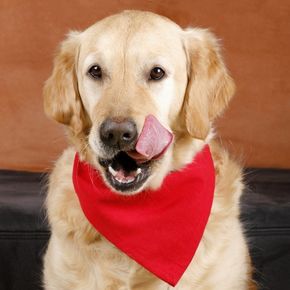
Should you give your dog human foods like roast dinner, mince pies, Christmas pudding, and trifle? No, is the short answer, as our team of Vets will tell you.
If you think your dog may have eaten something concerning, call us for advice or to arrange emergency care straight away.
Call us on 0141 643 0404
Many foods and drinks we consume over Christmas are toxic to dogs. Depending on the item, amount consumed and how long ago, combined with the size and health of your dog, the situation could be life-threatening. To put it into context, a single raisin could potentially kill a dog – they are that toxic.
To help you avoid harmful foods and find treats your dog can have this holiday season, our Glasgow Vets have created these lists to help you.
Christmas foods your dog SHOULD NOT eat:
- Christmas roast dinner – Skinless, plain turkey is fine in small quantities. However, most festive dinners are laden with fat and can include onion (gravy), chives, garlic, pepper, and lots of salt – none of which will do your dog any good. Likewise, your dog shouldn’t chew on cooked bones as these can splinter and damage your pet’s mouth and gut.
- Pigs in blankets – The sausage meat may contain onion and spices, and along with the bacon will be very fatty. Eating foods high in fat can lead to a painful condition called pancreatitis.
- Mince pies and Christmas pudding – These usually contain dried fruits like raisins and sultanas, which are highly toxic to dogs and consumption can be fatal.
- Chocolate – All chocolate is toxic to dogs. However, dark and cooking chocolate are the most toxic as they contain the most theobromine per gram. Call 0141 643 0404 immediately and keep the wrapper if they didn’t eat that too.
- Trifle and other sweet treats – Many dogs are lactose intolerant, and an overdose of dairy cream can cause an upset stomach. Fatty and sugary foods can cause weight, dental, and other health issues so it’s best to just avoid these types of human foods as dog treats.
- Other harmful Christmas goodies include macadamias and other nuts, bread dough (yeast), cookie dough, grapes, corn-on-the-cob, alcohol, and anything containing Xylitol – an artificial sweetener that is highly toxic to dogs.
Treats your dog CAN have:
- Dog treats! It might sound simple, but dog treats are typically made to be nutritionally balanced, tasty, and safe for dogs. You can usually buy festive-themed treats at most pet shops in and around Cambuslang, Laurieston, and Giffnock, or make your own!
- Safe human foods like raw carrots, cucumber, banana, and blueberries, and cooked butternut squash, green beans, and plain pasta in small amounts can make excellent dog snacks. They can also be heathier alternatives to some manufactured dog treats.
Try to remember that your dog won’t love you any less if you don’t give them some of your food, or if you swap cream cakes for carrots. And most importantly, dogs are cunning enough to help themselves if you leave them and food unattended…
Some final tips from our Glasgow Vets – Always research new foods online to check they are safe for dogs – if in doubt, leave it out. Give new foods in small amounts first to check they agree with your dog.
If you have any dog food health scares over the festive season, contact us straight away.

We’re sure many small furry pet owners in Lanarkshire can relate to this; how do you avoid having a bored guinea pig or a bored hamster?
This can be especially tricky when you’re burning the Christmas candle at both ends and struggling to dedicate as much time as usual to your little pal. Our head Vet Nicola Armstrong, and their team have scoured the internet and come up with some interesting looking, highly rated toys for your small pets to try. We’d love to know what you think so share a photo or video on our Facebook page.
Share your pet’s fun times on Facebook
Most small pets (excluding Syrian hamsters) prefer to live in pairs, so it’s important to give them a companion to avoid loneliness. When they get bored, they can become depressed and some will even self-mutilate so mental stimulation is important too.
If you notice anything unusual about your pet, book a small pet Vet check.
To avoid boredom, small pets need toys and activities that allow them to mimic their natural wild behaviours like exploring, foraging, and gnawing. We hope you like the look of these too:
Eight boredom busting toys for small pets
Wooden Exercise Wheel – This might end up with some teeth marks in, but your pet will have enjoyed themselves.
<external link="" to:="" Play Tunnel Giant Tube – Depending on where you hang it from, your pet can have lots of fun jumping in and out of it.
Natural Grass Hammock – Chewable, swingable… what’s not to love?
Boredom Breaking Chew Toys – Get 11 toys designed for hamsters, rats, guinea pigs, chinchillas, gerbils, rabbits, and Syrian hamsters – so much choice!
Floral Hanging Basket – This is ready to be chewed and delightfully destroyed.
Carrot Cottage – A cute cottage covered in hay with a real carrot roof? Yes, this is perfect for climbing on, sleeping under, and gnawing.
Peanut Gnawing Chew – These hamster chew toys will be good for boredom and filing down their teeth, plus they’ll work with most small pets.
Fruit Flavoured Nibble Cage Chew – Another tasty treat that’s ideal for oral health and preventing boredom.
If you’re on a tight budget this Christmas or just enjoy making things yourself, check out these videos on how to make DIY toys for guinea pigs, hamsters, and other small pets:
How to make a foraging box for guinea pigs
Make boredom busting toys for hamsters and other small pets
10 DIY toys for rabbits and other small pets
We’d love to see how your small pets get on with any of these toys, or if you have your own. Visit our Facebook page and share your photos and experiences!

You’ve seen the memes with cats stuck in Christmas trees, but what else can go wrong during the festive season when you have cats? Head Vet Nicola Armstrong, shares common causes of Christmas cat injuries and advises how to avoid them.
Given how curious cats are, it makes sense to keep our number in your phone just in case your cat gets into any bother.
Call 0141 643 0404 for cat advice
Six common cat concerns at Christmas in Lanarkshire:
Road traffic accidents
With all the noise and commotion that comes with Christmas, including extra guests at your home, cats often roam outdoors to escape the mayhem. As it gets darker earlier during winter, your cat is more at risk of being hit by a car. Nicola recommends fitting your cat with a reflective collar and providing ‘safe spaces’ indoors for your cat to take solace in when it gets too much.
Consuming harmful food & drink
Christmas can be a fun time of year for cats, with tasty morsels of food and leftover drinks all over the place to try. Some items such as pigs in blankets could give your cat an upset stomach, whereas toxic treats like chocolate or mince pies (containing dried fruit) could cause them severe harm. It’s wise to keep food, alcohol, and paracetamol (for the Boxing Day hangover) behind a closed cupboard, pantry, or fridge door and away from curious cats.
Plant poisoning
Poinsettias, holly, and mistletoe are festive favourites for many households. Unfortunately for cats, they can cause a variety of health problems ranging from nausea and vomiting, to collapse and seizures. Nicola recommends keeping harmful Christmas plants out of reach, or not keeping them at all.
ANTIFREEZE ALERT
– This substance is highly toxic to cats but tastes sweet (so we hear). Clean up any spills and keep the container somewhere your cat can’t get to it – remember cats can climb!
Christmas tree injuries
Saying cats and Christmas trees don’t mix well is an understatement in some households. Cats love to play with delicate baubles and wires, climb the tree, eat the needles, and rub themselves against the branches – all of which can end badly. Nicola has this advice for cat owners:
- Consider choosing an artificial tree – real fir trees produce toxic oils that can harm cats when eaten or absorbed through the skin and eating pine needles can cause a lot of pain.
- Smaller Christmas trees should cause less damage to your cat if they fall over – secure your tree to a wall or ceiling or use a heavy base to steady it.
- Choose shatterproof or soft hanging tree decorations and nothing edible if you have pets.
- Keep wires contained so they don’t look like string to play with to your cat.
- Decorate your tree without your cat in the room and avoid leaving your cat alone with it.
Burns & scalds
Cats can easily get burned or scalded accidentally at Christmas time, with knocked over candles and cooking pans being the common causes. Avoid injuries by keeping candles out of reach, or your cat out of the room, especially the kitchen when you’re cooking.
We hope you found Nicola’s advice useful. As always, if you have any concerns about your cat, get in touch with us here at Avenues Vets in Glasgow.

When the days and nights start getting colder, the veterinary team at our Woodside Avenue practice recommend bringing your cat to see us for a pre-winter health check, to make sure they’re in tip-top condition.
Autumn is a good time to make sure vaccinations and parasite treatments are up to date and nip any emerging problems in the bud, to avoid them worsening during the colder months. After all, it’s a time when we’re all at our most vulnerable.
Book a pre-winter health check
So, what will we look out for at your cat’s pre-winter health check?
1) Vaccinations and parasite prevention
The first thing we’ll do when you attend a pre-winter health check is to review the basics by weighing your cat and checking their vaccinations and parasite treatments are up to date.
2) Weight and body condition
If it’s appropriate, we may have a chat with you about making sure you don’t end up with an overweight cat. As temperatures fall, it’s tempting (and natural) for us all to eat more food (back in the day because we needed more energy in winter but now…) for comfort and warmth. Also, nowadays, treats typically become more frequent in the approach to Christmas. Your cat might eat up to 25% more food during this time than they would in other seasons.
3) Common cat health conditions
If you have an older cat, arthritis can strike during cold weather. Poor vision can also be an issue, especially as the nights draw in. But at any age, we can give your cat a thorough examination to spot signs of anything that may require treatment or extra care.
4) Teeth
Like vaccinations, a seasonal check-up is a great opportunity to make sure your pet has no dental concerns. Extra treats and other rich food over winter might pose a greater threat than usual so it’s a good idea to get ahead of any issues.
If there’s anything else that worries you about your cat during autumn and winter in Lanarkshire, please don’t hesitate to speak to Linsey, our head nurse, or any of our team; we’ll refer you to one of our friendly Vets if we feel that more attention is required.

Rabbits are experts at hiding illness, so daily and weekly checks at home should be backed up with regular visits to our Woodside Avenue surgery. Whilst the exact frequency of your furry friend’s vet visits will depend on a number of factors, we normally remind owners in spring and autumn. Ideally, we’ll get to see your rabbit at least once a year and just before winter is an ideal time to make sure they’re prepared for the colder months ahead.
Book a pre-winter rabbit check-up
Typical vet visits for your rabbit may involve annual vaccinations and dental check-ups, and we may recommend other types of treatments. Nicola Armstrong, our head vet, thinks it’s useful to remind owners what they should be looking for in between vet visits.
Below is a list of the essential areas we check when you bring your pet rabbit to our Glasgow surgery. We’re sharing this because rabbits are generally pretty good at keeping themselves clean, so if you spot anything mentioned in this list, it really is worth bringing them in.
Seven essential things for your rabbit health check list
- Eyes – Your rabbit’s eyes should be clear, bright, and free of discharge. Pull up the eyelid and the eye tissue should be pink. If it’s red or pale, or there is discharge from the eyes, call us.
- Ears – The inside of your rabbit’s ears should be clean and clear of wax/dirt. Check inside the ear with a penlight. Ask us to show you how to clean your rabbit’s ears on your next visit.
- Nose – This is really simple; your rabbit’s nose should be free of any discharge whatsoever. If you do see discharge from the nose, call us on 0141 643 0404.
- Teeth – These are really important. Check your rabbit’s teeth by carefully pulling the upper and lower lips back. You should see the upper front teeth aligning with the lowers and a slight overbite. If the teeth are too long or the bite isn’t good, we may need to trim them, and we’ll probably need to talk to you about their diet.
- Feet – The most common problem with a rabbit’s feet is sore hocks or heels. If you see foot sores, especially open sores, call us.
- Nails – Nails shouldn’t be too long. If they are, then it’s a simple job to clip them at home. Ask us to show you how to safely clip your rabbit’s nails on your next visit.
- Fur & Skin – Your rabbit’s coat should be soft, shiny, and free of matted hair. If you back-brush the coat with your hand, the skin should be clear of dust and flakes.
As well as the essential list above, if you bring your rabbit in for a pre-winter health check-up we’ll be looking at areas such as their glands, their mobility, and talking to you about their eating and toileting behaviours. If you’re not sure when they were last seen, or, if you know it was over a year ago due to the disruption in 2020/21, then please do book an appointment.
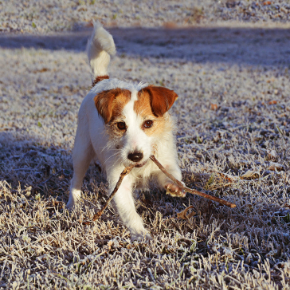
As the leaves fall from the trees and you dig out your big coat, scarf and gloves, it’s important to spare a thought for your dog’s welfare during the colder months. Some breeds (and ages) of dog find low temperatures tougher than others, but any dog can struggle in freezing and snowy conditions, so it’s good to be prepared.
If you have specific concerns about how your dog is coping with the cold, please remember you can always ask the team at our Glasgow vet practice for advice. In the meantime, remember it can be a good idea to take the colder days & nights as a reminder to book a pre-winter health check, to make sure any niggles or conditions are picked up at an early stage.
Book a pre-winter health check
Advice for cold dog walks
Here’s a reminder of what to consider when you walk your dog on colder days…
- Visibility – As the nights get darker earlier, does your dog’s collar need a light or reflective material?
- Recall – If your dog is unreliable at returning to you on walks, consider keeping them on the lead to avoid them getting lost in fog or snow. And, of course, check their microchip details are up to date.
- Water safety – Keep well away from stretches of frozen water, in case your dog runs onto a fragile surface.
Post-walk care
After a wet, chilly walk, make sure that your dog is:
- Warm and dry – Use a towel to soak water out of your dog’s coat and make sure they have a warm, dry bed to snuggle up in, away from cold draughts.
- Free of snow or grit in their paws – Residual snow can get stuck between your dog’s toes and cause painful problems. There may also be salt or grit on the roads which can irritate their skin, so check and clean if necessary.
Plus…
Don’t forget:
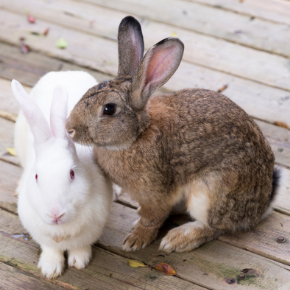
Your pet’s companionship needs depend on a number of factors and getting those right are important to your small furry’s general wellbeing. To help you understand the basics, here’s the The Avenues Vets’ quick guide to the basic social needs of a few popular small furries.
If your pet looks to be under the weather and you’re already following the advice below (and satisfying their feeding grooming and shelter needs), then they may have a medical or a more complicated social issue. In either case please don’t delay, bring them in for a check-up and to get some advice.
Some animals need company more than others
Some small animals prefer to be alone, or find that human attention is enough, while others adore company from their own species. Read the basic advice below and if you’re still unsure whether you’re getting it right, you can always ask Linsey or any of our vet nurses for advice. Our team can advise you on your particular pet, or if you’re thinking of getting one.
Rabbits
It’s essential for rabbits to be kept in pairs, as a minimum, as they are sociable animals who need friendship to thrive. Opposite genders tend to get on best, but don’t forget to neuter both, unless you want lots of baby bunnies. Neutering will also make for a more relaxed friendship on both sides. Rabbits appreciate human owners, but some dislike being handled. Figure out what your rabbit likes and always supervise children when they handle your rabbits.
Guinea pigs
Like rabbits, guinea pigs get lonely if they are kept alone, so you should try to find them a compatible friend. If you have two that tend to fight, they will still appreciate each other’s company. You could split their home with some mesh to avoid physical contact, rather than separate them completely. Guinea pigs are gentle, sociable animals that get on well with humans, which makes them ideal pets for children (again, with supervision please).
Hamsters and rats
Whether or not hamsters need company depends on their breed, as dwarf hamsters enjoy socialising, while Syrian hamsters need to live alone. It’s also important to remember that hamsters are nocturnal, so you may not see the benefits of their friendship during daytime hours. Meanwhile, rats get depressed without attention, so it’s important that they get companionship from both other rats and their human owners.
Call our vet nurses for advice
Sometimes it can be hard to figure out what’s wrong if a small pet seems unhappy. It’s definitely worth getting some advice if you’re about to buy new rabbits, guinea pigs, hamsters, rates, mice, gerbils or any other small furry creatures. Either way, if you have a poorly pet or are about to get a new one, then please do give us a call on 0141 643 0404 and one of our team will be able to offer advice.
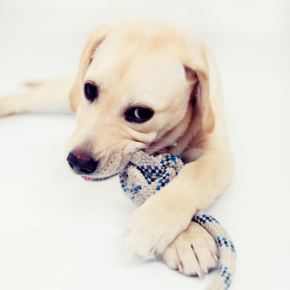
A lot of families in the Glasgow area got themselves a puppy over the recent lockdown. Typically, in the run-up to Christmas, even more will join that happy group. However, shortly after that cute furball has arrived you’ll get your first nip from those pin-sharp teeth and next thing you know … the cute furball has destroyed your sofa and your slippers.
Your pup has just entered what we call the ‘Chewing Phase’ and shortly you’ll want the answers to a few common questions. Our head vet Nicola has anticipated your puppy chewing questions and answers the common ones below. Let us know how our tips work out for you and share your own puppy chewing hints & hacks on our Facebook page.
WHY DOES MY PUPPY CHEW?
There are four main reasons your puppy will chew. Understand the cause of their chewing and you can quickly plan ways to help them (and you) out.
- They are teething. Just like human babies, when your puppy has a new tooth coming in their gums will feel sore, so they chew to ease the pain.
- Puppies chew, nip and ‘mouth’ to strengthen their jaw. This is a basic dog behaviour that lasts through to adulthood to keep their jaw muscle strong.
- They chew as they learn acceptable social behaviours. They learn from relationships between their actions and the reactions of other dogs (and of course you).
- They chew because they are bored.
HOW LONG DOES THE PUPPY CHEWING PHASE LAST?
Longer than you think! Actually, until they are 1 to 2 years old (depending on the breed and personality of your dog). At around 2-3 weeks your pup’s ‘puppy teeth’ emerge. At around 4 months old, adult teeth begin to come through. Then, from 7-12 months, adolescent chewing kicks in as the new teeth settle down and your pub begins to explore the world.
What you can do about puppy chewing
Now you know the causes, here are a few hints and tips to help you manage puppy chewing at home:
1. Puppy proof your home
Prepare for success by putting the chewable things you can out of reach; Slippers, electrical flexes and children’s toys need to be moved if they are to be saved
2. Train them at home
If they chew something they shouldn’t, immediately replace it with something they can. When they have their own object in their mouth, give lots of positive attention. If they nip or mouth you or your clothing, tell them ‘No’, then disengage. A minute later, put their toy in their mouth and start engaging and playing again
3. Learn how to confine them
When you need to go out or be away from your puppy, putting them in a crate or a confined area is important for their safety and development. It also gets them used to being in an area where they can get some downtime.
4. Give them more stimulation
Confinement is not a substitute for your lack of attention. Positive stimulation a socialisation is one of the most important factors in your new pup’s development. When your puppy starts destructive chewing, they’re probably just attention-seeking so lengthen the daily walk (or go out multiple times) and introduce more stimulating activities.
5. Get a few chew toys
Invest in high-quality dog specific chew toys that are built to last. No sticks please and no toys they can destroy and eat (you may need to persevere here). We often have good ones in the surgery, so speak to Linsey, or one of the other nurses for their advice on the best ones for your pup.
6. Consider puppy classes
These will teach you and your puppy how to give and react to basic commands. Classes will teach you how to handle and socialise your dog and better still, these sessions will tire them out. One thing you’ll come to learn is that a tired puppy is much less likely to chew your belongings.
Puppy chewing will end
Before you know it, the chewing phase is over and all you’ve got to remember it is half a dozen destroyed slippers. Remember, manage their environment, teach them what’s acceptable and provide lots of the right stimulation. After all, that’s the joy of having a puppy! Right?


