

If you are the proud keeper of pet mice or rats, it is important to not overlook their housing and welfare needs during the winter. Even in Lanarkshire, the effects of harsh winter temperatures and weather can surprise us so it is wise to be prepared for what could happen.
Plus, we have all seen the effects of the COVID-19 pandemic on previous winters, so preparation now is key.
We are talking power cuts and frozen pipes, plus heat, food, and supply shortages.
The nursing team at Avenues Vets have put together a checklist to help you keep your pet mice or rats warm and safe during the cold winter months ahead.
Winter welfare tips for mice and rats
1. Move your pets indoors – place their hutch or cage in a warm and quiet part of your home. Your room will need good ventilation but no drafts to avoid health problems. Avoid rooms with open fires/fumes and bright lighting.
2. Keep the room temperature above 10 degrees Celsius – if it could drop below, use thermostat-controlled heating. Small mammals, especially very old/young pets, are more susceptible to bacterial and viral infections in cold weather, as well as hyperthermia. Central heating is ideal or if using any free-standing heat sources they should have an automatic shut-off if they get knocked over. Don’t place your pet’s housing too close to the heat source and keep an eye on the temperature gauge.
3. Avoid outdoor exercise & play – instead, make a safe space indoors for your pet to enjoy.
4. Add extra bedding materials – these will provide extra warmth and opportunities for your pet to burrow and snuggle into them. Be sure to research safe bedding choices for your species of pet.
5. Regularly check their water bowl/bottle to ensure it hasn’t frozen over – side note, if it has frozen, the room temperature is far too low to keep your pet mice or rats healthy.
6. Have a back-up plan – ask yourself these questions now and make a plan now:
- How will you keep your pets warm if you have a power cut?
- Do you have bottled water in case the pipes freeze?
- Do you have enough of your pet’s food if you can’t get any for a period of time?
- Do you have enough bedding and other supplies?
On the first point, wrapping a duvet around the sides of the cage can help, as can placing a hot water bottle next to the cage (outside) as long as you can boil water!
7. If your pet seems out of sorts contact a vet – monitor your pet and if they are displaying signs of ill health or behaviours out of the ordinary, it would be wise to consult with one of our vets.
If you are in any doubt about the correct temperature for your species of small furry pet, or you have any other questions, contact the team at Avenues Vets for advice.
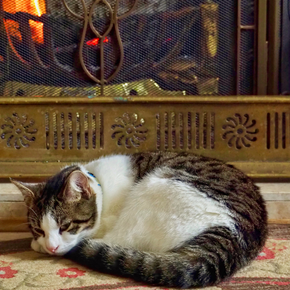
It is often thought that cats can withstand lower temperatures than humans as they have fur coats, however, this is not always true. Though cats are very adaptable animals, they can be susceptible to life-threatening conditions such as hypothermia or frostbite if the temperature outside drops too low.
So, Vet Nicola Armstrong has created a pre-winter cat checklist to help you keep your pet happy and safe during the coming months in Lanarkshire.
Booking a pre-winter cat check-up with one of our vets is a good idea to ensure your cat is healthy enough to cope with what the next few months have in store.
Nicola’s pre-winter cat checklist
Whether you have a cat who loves to be snug indoors or a cat who loves to chase birds outside, it is important to be prepared for the winter weather. Here is Nicola’s checklist to help keep your cat safe in the cold. Why not share it with other cat owners via email or social media?
- Do not lock them outside at night. When the temperature drops your cat will be at a much higher risk of developing frostbite or hypothermia – learn more about hypothermia in pets.
- Install a cat flap. If you haven’t got one already, a cat flap gives your cat the freedom to go out and more importantly, come back in when they have had enough of the cold.
- Get your cat microchipped so if they do wander off or get injured, you have a much higher chance of being reunited with them. You can also program some cat flaps to recognise only your cat’s microchip.
- Keep plenty of water inside in case outside sources freeze.
- Provide shelter for them outdoors. Your cat may want to brave the harsh temperatures, so make sure they have a sheltered spot to retreat to.
- Wipe off anything sticking to their fur or paws – this includes road grit, salt, and ice. Nicola recommends one of the best things you can do is keep them dry.
- If the weather is below 7 degrees Celsius, limit their time outdoors. Despite their layer of fur, this weather is dangerous for your cat. Restrictions like this can stress your cat out though so be sure to monitor their behaviour and let them out if they really want to go.
- Keep them entertained and enriched with toys and playtime inside.
- Use a guard on open fireplaces. As we all know, cats love to cosy-up and be warm, however they may overheat, have their fur singed, or be burnt by embers from an open fire.
- Aim to use de-icer sprays without ethylene glycol. Even a small amount of antifreeze can be fatal for a cat if ingested and annoyingly it tastes quite sweet, which attracts pets.
- Provide a private, indoor litter tray – this way your cat will hopefully think twice about heading outside to urinate or defecate. Nicola advises that you should have at least one litter tray per cat in a multi-cat household, and multiple trays if you have more than one level in your home.
- Check your vehicle before you drive. Cats tend to find warmth underneath cars or around car engines, so lure them out with treats before you set off.
- Keep your cat comfortable. Make sure they have warm blankets or a bed next to the radiator to keep them insulated – especially at night.
- Monitor their food intake. Active outdoor cats may need extra sustenance to maintain their energy levels and keep warm. However, cats who remain fairly inactive and indoors for most of the day may need fewer calories to reduce the risk of getting overweight.
Overall, the best way to protect your cat from the cold weather in Lanarkshire is to understand the risks of them being outside, provide the appropriate resources for them out there, as well as a safe and comfortable space for them indoors. This way, you have everything covered and can enjoy the winter season with your feline friend.
Given the option of a warm fire inside and an icy blizzard outside, our Glasgow veterinary team know what their cats would choose!
What about yours?
Share a photo of your cat and let us know if they are an outdoor winter warrior or an indoor cosy cat on our Facebook page.
For peace of mind, consider booking a pre-winter check with one of our vets.

Typically, rabbits and guinea pigs spend a lot of their life in outdoor hutches, which means fireworks can be extremely frightening for them. Fireworks are not really a seasonal ‘treat’ any more – as they are now on sale all year round – so Vet Nicola Armstrong advises that owners of small furry pets should make a plan as soon as possible to help them cope.
If the advice below doesn’t work for your pet, contact us and we can recommend alternative ways to keep your pet calm, such as the use of pheromone diffusers and sprays.
Get help for rabbits or guinea pigs
Nicola’s four-point firework plan
To help keep your rabbit or guinea pig happy and healthy, your plan should combine actions to get them through the noisy season and things that can be rolled out on the day when needed. Follow Nicola’s tick list below:
- Create a noise-dampening refuge: You can’t necessarily predict when there will be noise. Therefore, your small furry pet should always have a safe space that can insulate them from noise. Lots of fresh, clean bedding in a solid structure like a box is best.
- Move them indoors: At times of the year when you know the noise level will rise, (such as the period around bonfire night, Guy Fawkes, and New Year) bring pets inside to a quieter place in your home – perhaps even a garage or shed. It’s going to start getting colder this season in Lanarkshire, so an indoor space will help with this too.
- Mask the noise: If you have a house pet or you’ve brought your pet’s housing inside, you should shut windows, draw curtains, and drop blinds to keep the noise and light show outside. Also, consider turning up the TV or radio to mask the worst of the outside noise. Placing a blanket or duvet over an enclosure in a shed or garage will help keep out noise too – just make sure there is good ventilation still.
- Monitor stress: A change in eating/toileting habits, hiding most of the time, freezing/reluctance to move, appearing nervous/jumpy, sitting hunched, aggression, chewing their cage, intense grooming, or scratching that causes fur to fall out, are common signs of a stressed pet. If your small furry pet is stressed by noise, you should recognise the changes and take action.
What to do if your pet is stressed
If your pet guinea pig or rabbit stops eating or shows other signs of extreme stress, they need to see one of our Woodside Avenue Veterinary Surgeons as a matter of urgency. If you’ve been here before with your pet, maybe last firework season, follow the advice above and if you have any concerns call us on 0141 643 0404. Nicola and the rest of our team have plenty of species-specific advice and can recommend the most appropriate pheromone diffusers, sprays, and other products to help calm your pet.

Getting your dog ready for firework season should ideally start well before the end of October. Loud bangs and bright flashes can feel scary to even the most confident and assured dogs.
The nursing team at Avenues Vets have pulled together their advice on how to help your dog cope when there are fireworks in Lanarkshire, or wherever you are staying. Their advice covers what you can do in the months and weeks leading up to the dreaded firework season, which is typically from the end of October through to the start of January.
Download our guide: How to build a dog den
Before we dig in, are your dog’s microchip details up to date? Did you move house or change your number recently? If your dog does run off after getting spooked, your chances of being reunited with them are higher if your details are correct. You can either check on the microchip database your pet is registered to – Petlog, PETtrac etc. – or we can scan your dog and check for you – get in touch to arrange this.
How to prepare your dog for fireworks
Now your microchip is sorted, it’s time to work on helping your dog hopefully get used to the sights & sounds of fireworks, or at least get through the events with minimal stress. Read our Vet Nurses’ advice on how to do this below.
From a puppy or months in advance
Work on noise desensitisation techniques
Ideally, you will have started practicing noise desensitisation techniques with your puppy during their key socialisation phase of 8-14 weeks of age and carried on with this training as they got older. If not, even a few months before firework season can be helpful. It may be too late to see results for this year, but you can start this now for the future: download ‘Scary Sounds’ – a Sound Training Therapy Program by Sarah Heath.
4 weeks in advance
Consider calming products
Talk to one of our Glasgow Nurses about pet calming products such as plug-in diffusers, sprays, and collars. These devices mimic the appeasement pheromones of pets, to encourage feelings of calm and contentment. With most products, you need to start using them a few weeks in advance of the event for the best results.
If you know your pet will be absolutely terrified of fireworks, perhaps they tremble uncontrollably, continuously bark or excessively drool, then we may be able to prescribe some calming medication.
Get in touch to discuss calming solutions for your dog.
1 week before
Create a safe space
Our Woodside Avenue Vet Nurses advise that it is wise to create a safe space for your dog at least a week in advance – it could even become a permanent fixture. This will give your dog a safe haven to retreat to if they feel scared. You can encourage them to relax in this space by placing treats or toys inside. You should leave them be whilst they are in there, but the occasional ‘check-in’ is fine.
To help you, our team have put together a guide on ways to create a safe space for your dog. You can download this here:
On the day
Batten down the hatches!
Here is our Vet Nurses’ advice on how to help your dog cope and avoid dangerous situations on a ‘firework day’.
- Exercise your dog during the day; keep them on a lead on the most likely ‘’firework days’ so they can’t bolt if one is set off early.
- Keep your pet indoors at night and make sure they can’t escape via your garden or front door if opened.
- Secure doors, shut windows, and close the curtains to dampen the noise and keep the flashes out of sight.
- Turn the TV or radio volume up a little to drown out the loud bangs.
- Don’t leave your pets home alone too long and definitely leave background noise on if you go out.
- Act as normal as possible around your dog – any extra cuddles will reinforce negative behaviours.
We hope you found this advice from our nursing team helpful and are ready to get into action. Remember to check out our Dog Den Building Guide here.
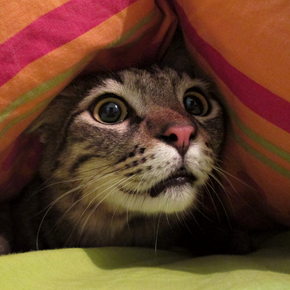
Cat owners across Lanarkshire are probably shuddering at the thought of another season of fireworks and trying to calm their petrified cat. The problem with fireworks and other sudden noises is that they put cats into ‘fight or flight’ mode. More often than not this means they bolt off, increasing their chances of getting lost or injured.
Unfortunately, fireworks are not just limited to the weekends around Guy Fawkes Night (November 5th) anymore. Vet Nicola Armstrong has some seasonal advice for cat owners on how to help their pets cope with the now year-round risks posed by loud and sudden noises.
If none of the ‘natural’ measures recommended below do the trick, you should talk to us about other options like pheromone sprays and diffusers for cats. These remedies can help even the most nervous cats if you start using them in advance.
Ask us about calming products for cats
Helping your cat cope
Follow Nicola’s advice below to maximise the chances of your cat getting through a sudden noise scare relatively unscathed.
Two actions to help cats with noise phobias year-round
1. Microchip and tag
Nicola always recommends that cats are microchipped. This makes it much easier for you to be reunited if the noise has caused them to run off to un-familiar surroundings. Wearing an identity tag as well would be ideal, but at the very least get them microchipped – Contact us to arrange this.
2. Create a safe haven
A natural reaction when any animal is scared is for them to retreat to their ‘den’. You should provide safe, comfortable, and quiet spaces for your cat in various parts of your home.
Six things to do when you know it’s going to be noisy
1. Encourage earlier meal times
Before it starts to get dark earlier around the middle of October, Nicola recommends making your cat’s mealtimes earlier. This should get them into the routine of coming back into the house before it’s dark and the noises start.
2. Keep your cat indoors when it’s dark & noisy
When you know it’s going to be noisy, keeping your cat indoors at night reduces the risk of them getting injured if they bolt – remember to secure cat flaps and shut windows. Restrictions like this can be stressful for cats so you should let them back out to roam when it’s safe.
3. Turn the sound up and close the curtains
Turning the volume up on the TV or radio (not so much that it scares your cat further) will drown out some of the outside noise. Shutting the curtains will dampen the noise and hide the bright flashes.
4. Don’t try to coax your cat out of hiding
If your cat has been spooked by the noise and is hiding, leave them be. A searching hand will not be welcome and it’s better to let cats ‘sit it out’ in a place where they feel safe.
5. Give them a treat
A stuffed chew-toy or a puzzle-ball can keep cats occupied for hours. Any novel stimulation can help take their mind off noise, which can significantly reduce stress. A catnip toy or treat may help too.
6. Be there
If you can, stay home with your cat during a noisy event. Your cat might not want to sit on your lap, but knowing you are in the house may help to pacify them.
If all else fails – consider cat pheromones
Pheromone diffusers can be used to help calm even the most stressed cat when things get really bad. Diffusers can take a couple of weeks to take effect so it’s important to start using them in advance of known noisy periods, or as soon as you notice your cat becoming anxious.
If the natural steps listed above don’t quite do the trick, contact our Woodside Avenue practice on 0141 643 0404 to discuss your cat’s individual needs.

As any responsible pet owner will tell you, keeping your pet fit and healthy is super important. When you’re doing a great job keeping on top of vaccinations, parasite protection, nutrition, enrichment, and exercise, what else could you be doing for your canine companion?
Vet Nicola Armstrong, who sees hundreds of dogs every year at our practice in Glasgow, explains that regular health checks really matter and not just those your dog gets at the vets.
If you have any concerns about your dog’s health right now, book a check-up and our team can help.
Spotting dog health problems
Spotting dog health problems early can play a big part in keeping your dog healthier for longer, according to Nicola. The earlier an issue is spotted, and veterinary help is sought, the sooner treatment can be started – lifesaving treatment in some cases.
Of course, your dog will get a nose-to-tail health check at their annual vaccination appointment at Avenues Vets, and many owners book interim checks every six-months too. However, as dogs age faster than humans, a lot can happen in a short space of time.
Nicola therefore recommends that dog owners should regularly ‘check in’ with their dogs at home and look for anything out of the ordinary.
There are many different conditions that can affect dogs such as:
- Heart disease
- Kidney/liver disease
- Orthopaedic issues such as osteoarthritis
- Hormone related problems
- Skin issues
- Ear infections
- Dental disease
- Obesity
- Cancer
- and more
Chronic dog illnesses creep in very slowly and signs can be more difficult to spot as they start so gradually. Nicola shares signs to look out for that may indicate an issue:
- Weight loss or gain
- Changes in appetite
- Changes in toileting
- Increased / decreased drinking
- Behaviour changes
- Skin / coat changes
- Lumps appearing or growing
7 areas on your dog to check at home
By checking your pet over regularly at home you can help to spot any signs of your dog’s health changing. Weekly grooming is a good time to do your own ‘dog health checklist’, which will help you learn what is normal for your dog. As part of your checks at home you should look at:
- Eyes should be bright and clear and the skin around the eyes a salmon pink colour. Some discharge from the eyes is normal, but anything excessive, green, gloopy, or causing your dog irritation needs looking at.
- Ears should look clean and have no strong smells, swelling, discharge, or pink/redness. Your dog shouldn’t be scratching or shaking their head a lot.
- A moist and soft nose is good, discharge or cracking of the skin – not so good.
- Their mouth… bad breath is a sign of dental disease so have a good sniff. Broken teeth, staining, red/inflamed gums, and a build-up of tartar are also signs of a problem. Healthy gums are typically moist and a salmon pink colour, or darker if that’s normal for your dog.
- Their skin/coat should have a healthy shine and no dandruff, matting, parasites, bald patches, or bad smells – it can dull with age. Have a good feel for lumps and bumps.
- Feet should have no overgrown fur in-between pads and nicely trimmed nails.
- When checking weight, you should be able to feel the ribs but not see them and your dog should have a defined waist.
If you spot changes in any of the above or are concerned, then it is best to get these checked over by one of our Vets to make sure there are no problems starting.

Cats are notorious for being able to hide pain and illness very well. As cats ages faster than humans, a lot can happen in a short space of time but by monitoring your cat closely, you can help to identify any changes sooner and get them the help they need.
The team at Avenues Vets have some advice for cat owners on how to spot common cat health concerns at home in between annual and 6-monthly vet checks.
If you have any concerns about your cat’s health right now,
Common cat health problems
Vet Nicola Armstrong lists common ailments that affect cats below:
- Dental disease
- Skin problems
- Obesity
- Diabetes
- Joint disease/Osteoarthritis
- Heart disease
- Kidney disease
- Urinary problems
- Cancer
Many of these ailments can affect cats at any stage in life, and some are more likely to affect them in their older years. Nicola explains that equally you should not overlook any symptoms whatever age your pet is. Some of the most common symptoms of something changing can be:
- Behaviour changes
- Toileting changes
- Appetite changes
- Water intake changes
- Weight loss/gain
- Skin/coat changes
By regularly checking over your cat at home, you can help monitor for changes but also learn what is normal for them. Nicola advises performing this 6-point cat checklist regularly at home to spot any irregularities:
6-point cat checklist
- Nose – clean, clear, and subtly moist
- Eyes – bright and clear; no discharge or redness around the eyes
- Mouth – healthy looking teeth with no breakages or tartar build up, and healthy pink gums
- Ears – clean and clear with no discharge, swelling, nasty smells, or constantly scratching
- Coat/skin – shiny healthy coat with no dandruff, parasites, bald patches, lumps, or bumps
- Weight – healthy lean weight; can feel rib cage but not see it; can see a defined waist
If you spot any changes on your cat that you are concerned about, it is best to get them checked by Nicola or any of the Vets at our Woodside Avenue surgery. The chances are it is something simple, but it is better to get it looked at and get your cat the treatment they need.

If you are looking for a family pet, perhaps to help your child learn about responsibility and pet care, then guinea pigs could be right for you. Our nursing team in Glasgow have listed their top tips for keeping guinea pigs happy and healthy below.
Why not share our Nurses’ advice with your friends on Facebook?
Guinea pigs can make rewarding family pets and can be the easiest of small furries for children to handle; they are usually gentle and enjoy human interaction, and don’t typically dart about too much.
According to our experienced Vet Nurses, here are the most important things to consider when caring for a new (or more established) guinea pig:
If you have any concerns, or just want to check your pet is thriving, book a check-up with us at Avenues Veterinary Centre’s.
Book your guinea pig check-up today
A happy guinea pig guide
Socialisation and enrichment
- Ideally, get two guinea pigs to avoid loneliness. The best pairings are two females or a female with a neutered male. If you want more than two, avoid having more than one male as they can fight over resources.
- Guinea pigs are social creatures, so place their cage in a busy part of your house, like a hallway or lounge – but make sure they’re not vulnerable to nosey larger pets.
- Handle them frequently so they’re confident about human contact.
- Don’t worry about spending lots on entertainment – guinea pigs love homemade toys, especially tubes and cardboard boxes. Homemade foraging trays are also a firm favourite.
Guinea pig housing
- Guinea pigs fare best indoors – even fur doesn’t protect them from getting cold and wet outside, plus, they’ll be safer from predators indoors.
- A big cage means happier pets as they’ll have plenty of room to explore and exercise.
- Keep the cage clean, clearing up droppings every day.
- Bed the cage with plenty of dust-free hay made from Timothy grass.
Nutrition
- Guinea pigs need a special diet supplemented with vitamin C. Muesli-style food and rabbit food are not suitable. Talk to our team at Avenues Vets in Glasgow about the best diet for your pets.
- Supply fresh water every day in a bottle feeder.
- In summer, it’s fine for your guinea pigs to eat lawn grass (not cuttings) but make sure it doesn’t contain harmful chemicals.
- Now and again, treat them to dandelion leaves and herbs.
Health and wellbeing
- Use small animal nail clippers to trim their claws.
- Ensure your guinea pigs are clean and dry each day to help avoid flystrike. If their bottoms get very soiled and they are not cleaning themselves, you can give them a warm ‘butt bath’ to help – don’t submerge all of their body in the water and make sure they are dry after.
- Keep an eye on your pet’s weight, teeth, behaviour, and general condition. Record any changes.
- Contact us immediately if you notice a sustained loss of appetite (more than 7 hours), rapid weight loss, diarrhoea, runny eyes, saliva running from the mouth, dry or flaky skin, bald patches, breathing problems, or regular wet/soiled patches on their fur.
Our Woodside Avenue team are always happy to offer advice and we can arrange a full check-up if you want to ensure your guinea pig is in top condition.
If you have any top tips you’d like to share, why not post them on our Facebook page?

Cats are very unique and sensitive animals that take great pride in looking after their fur. Occasionally however they can start to overgroom themselves. Vet Nicola Armstrong explains that there are various reasons why a cat may overgroom, some of these are medical and some behavioural. Keep reading to learn why your cat might be overgrooming.
If you are concerned about your cat’s health or behaviour, book a consultation at our Glasgow surgery.
So, what do we mean when we say a cat is overgrooming?
Some cats can become particularly obsessed with grooming a particular area until they have removed all the hair there, which can sometimes break the skin and make them sore.
Overgrooming in cats due to stress
Nicola shares that some cats overgroom as a form of stress relief, which is known as psychogenic alopecia. As the cat grooms they get a release in hormones that makes them feel happy. The causes behind this are often new stressors around the home such as;
- Change in routine
- New furniture
- New pet in the house
- New family member
- Moving home
It can often be a very small change that causes a cat to become stressed and start overgrooming.
If you are concerned that your cat is overgrooming due to stress it is important to understand what has changed. Nicola recommends helping your cat to feel calm and settled by:
a. Ensuring your cat’s routine is kept regular
b. Minimising furniture moves or if possible, place something with your cat’s scent around any new items
c. Ensuring easy access to basic amenities such as litter trays, food, and water bowls
There are plug-in pheromone diffusers that can also help de-stress a cat. It may be worth discussing with Nicola or another of our experienced Vets how the diffusers work and if they would be suitable for your cat.
Medically induced overgrooming in cats
Whilst overgrooming in cats is commonly related to stress, Nicola explains that it can be medically induced too. This is often caused by parasites such as lice, fleas, mites, and ticks irritating or causing an allergic reaction. Prevention is better than cure when it comes to parasites so keeping on top of routine parasitic treatments is important to reduce opportunities for your cat overgroom. Speak to our Glasgow team about the latest products in parasite prevention.
It is also important to be aware of other things that can cause hair loss in cats as it may not be down to overgrooming. If you notice bald patches on your cat with no indication of overgrooming, this may be caused by alopecia or another medical/nutritional issue causing hair loss. It is important to get this investigated by one of our Vets.

Rabbits are highly sociable animals and in the wild they live in large groups called colonies. Domestic rabbits also thrive – just like humans – when they have a friend. Without a companion, rabbits can quickly become sad and lonely whereas living with a companion can have a hugely positive impact on your bunny’s wellbeing.
The Avenues Vets’ team offer some thoughts below on how to ensure your rabbit has the right companion. We’re also keen to hear what you think about this topic so please let us know and ask questions on our Facebook page.
Finding & introducing the right pal
Best place in Glasgow to get a rabbit
It’s a good thing to welcome a rescue rabbit into your family and a rescue centre is the ideal place to find a companion for your pet. One bonus of this approach is that your new rabbit will probably be neutered and vaccinated already.
Pairing male and female rabbits
Getting two rabbits to live together is called bonding, mixing, or pairing. Usually, the best rabbit pairings are male and female, but two neutered male or female rabbits can also live harmoniously. It’s important that neutering is undertaken before the rabbits are matched. This is essential to avoid the rabbits having babies and will reduce the chances of them fighting with each other.
Managing the rabbit age gap
According to our Glasgow Vet Nurses, the age of your rabbit’s new companion matters. Older rabbits may be less energetic and will prefer a friend of a similar age. For a younger rabbit, an equally exuberant mate will help them to feel comfortable with each other.
How to introduce a new rabbit
The process of introducing a new rabbit to your existing pet should be carefully considered as a new rabbit suddenly appearing can result in aggression. Minimise stress by putting the rabbits in adjacent enclosures so they can get used to each other’s scent. Once the rabbits are more familiar with the sight and smell of each other, they can be placed together for a brief period of time in a neutral area. Increase time spent together gradually and they’ll get used to each other and will be able to share a space. The aim is to build the relationship slowly so that friendship will blossom.
There are more ways you can help your rabbits bond and be happy. So, if your rabbit is alone and you have questions about getting a companion, why not post them on our Facebook page? We’ll answer them there, which will make it easy for you to share our advice with others.


