

Is your rabbit a truly happy bunny? There are many ways in which you can provide added stimulation to really enrich your pet’s environment, which is why our head nurse at Avenues Vets has put together these top tips.
If you still have questions about how you can improve your rabbit’s life or have concerns and would like to book a check-up at our Woodside Avenue surgery – remember you can always talk to us.
Top five life-enhancing tips for rabbits
1. Stimulating your rabbit’s mind
Rabbits need stimulation and the ability to express natural behaviours to stop boredom or stress setting in. Plastic tubing and cardboard rolls make great tunnels, while containers of soil allow them to practise their digging skills. We’d love to see your creations so please do post your photos on our Facebook page!
2. The perfect companion
Pet rabbits should always be kept in pairs, if possible, but if you have concerns about a pair leading to lots of little ones, please talk to us about neutering. It’s also important for your rabbit to interact with people from a young age. Familiarity with humans will help your rabbit develop into a confident, friendly adult.
3. A nutritional diet
It is important to feed your rabbit the correct diet to maintain digestive health and avoid dental problems. Their teeth grow continuously so they must chew enough fibre to prevent overgrowth. Feed your rabbit quality pellet food, a variety of fresh vegetables and high-quality hay. If you are unsure how much food your rabbit needs each day, you can bring them to see our vet nurses at Glasgow for a weigh-in and to get nutritional advice.
Contact us to book a weight & diet appointment.
4. A safe and sufficient home
A cosy, safe hutch is the perfect place for your rabbit, or rabbits to sleep, but it should be accompanied by a run that’s big enough to allow them to complete at least three full hops and stand up comfortably. Remember, a hutch is not enough!
5. Chews and toys
Rabbits need to chew to keep their teeth in healthy condition but also as a form of enrichment and stimulation. Providing a range of ‘chewables’ in their environment is essential for both physical and mental health. Things like wooden balls, hanging toys, and even chewable tunnels they can play with are going to give your rabbit hours of fun!
6. Protect your pet
Rabbits should be vaccinated for Myxomatosis and VHD (Viral Haemorrhage Disease) every year. They can also pick up parasites, such as ear mites and fleas, both of which can easily be treated. Grooming your rabbit, cleaning their hutch regularly, and keeping their fur clean and dry is essential to avoiding ‘flystrike’, which is a potentially fatal condition. If you need help with any of this, call us on 0141 643 0404 to book an appointment.
We offer a full range of veterinary services for our rabbit patients, so if you have any questions or want a check-up you can always book your bunny to see one of our veterinary team, and we’ll help keep your pet in the best of health.

It’s not just people who suffer from the post-Christmas blues. After all the fuss and excitement of the festive season, dogs can struggle to get back into their usual routine, get bored more easily, and start to display unwanted behaviours.
To help you help them, our head vet Nicola Armstrong has some ideas for perking up your pooch below.
Plus, don’t forget that you can always contact us for advice if you’re worried about your dog’s behaviour.
If, after reading Nicola’s tips you have some of your own you’d like to share, pop over to Facebook and share them on our page.
Signs your dog is bored
If your dog is acting differently, they might not be getting the stimulation they need. Keep an eye out for these behaviours, which are all signs of boredom:
- Chewing
- Restlessness
- Sighing
- Constant pining for your attention
- Destructive behaviour
- Following you around with a toy when you are home
- Excessive barking
- Chasing their tail
- Digging
- Licking paws
- Excessive grooming
Some of the above behaviours could also be related to ill health too, so it would be wise to book your dog in for a check-up at Avenues Vets to be on the safe side. Call us on 0141 643 0404 or visit our website to book an appointment online.
Six ways to combat boredom
According to Nicola, the good news is that it’s relatively easy to bust that boredom. While we often assume physical activity such as walking is the key to correcting behaviour, the benefits of mental stimulation are plenty and just as important as physical exercise.
Nicola has put together some ideas for combatting dog boredom both physically and mentally below – check them out:
- Mind-stimulating games, such as playing hide-and-seek with their favourite toys or treats or teaching them new tricks.
- Puzzles – you can pick up brain stimulation and puzzle games in most pet stores in Glasgow and online. These are designed to keep a dog’s mind really active and engaged so have a look for interactive puzzles. Remember to start simple and move your dog up in difficulty level as they progress.
- Plenty of exercise is vital at any time of year, but it’s easy to get lazy when it’s cold outside. Nicola suggests adding new routes to your normal routine or varying the length or frequency of walks to mix it up a bit. January is Walk Your Dog Month so be sure to get out there and let your dog run off that excess energy – you’ll both feel healthier and happier for it! You could also do activities on walks such as going around posts, under or over benches (if your dog is able) or try practising tricks or commands for rewards. Remember, stay safe, have fun and wrap the both of you up warm!
- Playtime not only entertains your dog (and you), but also helps them to positively focus any predatory behaviour. Playtime stimulates their mind and provides exercise too, whether indoor or outdoor.
- Puppy preschool and similar structured classes are a safe environment to teach obedience, communication, and socialisation. They are great for owner ‘training’ too!
- Companionship is as important for dogs as it is for people. If you’re a one-dog household, take them to play with a friend. Not only will it give your dog essential social skills, but it’s also lots of fun.
Remember, you can always ask our vets or nurses here at Avenues Vets for dog game ideas or for advice about improving your dog’s behaviour. Here’s to a happy and healthy new year with your dog!
Got any ideas of your own you’d like to share with other dog owners?
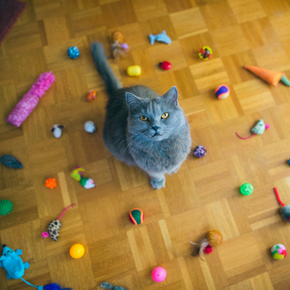
Environmental enrichment is essential for a happy, healthy cat – it means providing stimulating activities and surroundings that encourage positive behaviour. This is especially important for when you’re working or out for the day.
The Avenues Vets’ team have put together some practical advice for Lanarkshire cat owners on how to keep cats busy and content.
If, after reading our article you would like more advice on cat enrichment toys, or on how to introduce a new cat into your home, our veterinary nursing team will be happy to help.
Why is environment so important?
According to our vet Nicola Armstrong, an uninteresting living space can be a cause of destructive or aggressive behaviour in cats, and they could become depressed and anxious. Spending hours alone can exacerbate things, which isn’t ideal if you need to work or leave the house for a while.
If your cat is acting oddly but doesn’t seem sick, they might not be getting the stimulation they need.
Signs of an under-stimulated cat
Keep an eye out for boredom-related or stress-relieving behaviours, such as:
- Over-grooming
- Chewing inappropriate items
- Picking on other pets
- Retreating into isolation
- Overeating
- Compulsive behaviour
- Loss of appetite
- Spraying
- Yowling
- A change in attitude and behaviour to you such as becoming more reclusive
Of course, some of these behaviours might be related to illness – so if in doubt, book a check-up for your cat with Nicola or any of our vets – contact us to book.
Ways to enrich your cat’s environment
Nicola has consulted with the rest of our Woodside Avenue veterinary team, and here are their top ideas for enriching a cat’s environment:
- Tunnels: Cats love to hide and pounce in crinkly tunnels. To keep costs down, you could make your own from cardboard boxes and wrapping paper.
- Places to hide: Curling up in a small space calms your cat. Safe hiding places include boxes, drawers, and laundry baskets. Beware of dangerous spaces though, such as washing machines and behind electrical appliances.
- Things to climb: Being high up lets cats survey their territory, making them feel safe. Climbing is also great exercise. Distract them from climbing curtains or unstable furniture by providing a multi-perched cat tree or ensuring that bookshelves, wardrobes, and windowsills can be reached safely. You could also check out YouTube for some very creative DIY cat gyms!
- Outside playtime and exploration: Most cats love discovering the outside world. If you’re uncomfortable with letting your cat roam freely out there, why not create a safe enclosure in your garden so they can feel the breeze in their fur?
- Companionship: Some cats are more social than others but, if they seem lonely, considering getting them a feline friend. For tips on how to introduce a new cat into your home, book a chat with one of our friendly nurses – contact us.
- Stimulating games & toys: Make time for playtime when you are at home to entertain your cat and help them channel any predatory behaviour. You can also get a range of boredom-busting games and toys from most pet shops in or near Glasgow, and some online retailers. If you have one of those pet surveillance cameras, you might see your cat playing with these toys and having fun when you’re not around! Not sure what’s suitable? Ask us about cat enrichment toys.
- Digital games: Have you heard about or tried any digital games for cats? Available on Apple and Android devices, there are games available with crawling insects, fish, and flying birds on the screen that will keep cats engaged and entertained for hours!
We hope you found our team’s advice helpful; hopefully you’re putting some of it into action already.
If you have any tried & tested tips that you’d like to share with other cat owners in Lanarkshire, you can always share them on our Facebook page.
And remember, you can always ask our nurses here at Avenues Vets for advice about improving your cat’s behaviour. Let’s make it a fantastic year for you both!

We often think of our small furry friends as being carefree and happy. It’s hard sometimes to understand that our small furry pets such as rabbits, guinea pig, hamsters, mice, gerbils, rats etc. may suffer from stress too. The vets at our Glasgow veterinary practice have some helpful advice on the topic.
According to Vet Nicola Armstrong, as small prey creatures they are quite a sensitive group of animals and it’s important that we learn what may cause stress and what signs there may be that they are not happy.
As prey species small mammalian pets have an instinct for stress-related behaviours and this can be due to many factors such as changes in environment, social constraints whether it be interaction with others of the same species or too much interaction where they may be handled too much.
It’s important to know that they are continuously assessing their surroundings and looking for those potential threats giving them a very heightened level of anticipation leading to stress.
Potential triggers
Nicola Armstrong says that simple things in their day-to-day life that we inflict such as dietary change, moving into a new home or changes to their habitat can all induce stress. Cleaning too regularly especially with strong levels of disinfectant can also be triggers to certain species.
Signs of stress
If you are concerned your pet may be feeling stressed some of the signs include:
- Hiding
- Fidgety when handled
- Freeing when you approach
- Decreased activity
- Changes in appetite
- Behaviour changes
- Excessive grooming
- Fighting with cage mates
Your pet may only have one or multiple signs that they are feeling stressed, and it is very important that we address those issues before it starts to impact their health.
Stress behaviours such as overgrooming or fighting can lead to injuries which can be very difficult to treat so helping to limit those behaviours by reducing any stress factors is very important.
If you are concerned your pet is stressed, then book a consultation with The Avenues Vets’ nursing team and they can help discuss what may be causing the potential stress and how to limit its effects on them.

Then last quarter of 2022 has probably been a busy and loud one with one thing after the other – Halloween, Bonfire Night, Christmas and finally New Year’s Eve – so many fireworks and people and parties and… As you head into 2023, you and your dog can enjoy some calm and a return to routine. But has it all been too much for your dog? How would you know if they are stressed out and need some help?
Our Veterinary Surgeon at Avenues Vets, Nicola Armstrong, has some advice on spotting the signs of stress in dogs and how to avoid or manage them.
Having dogs as pets makes up a huge part of our family units, whether you have one dog or numerous in your household. Whilst most dog owners follow a daily routine with their pets, would you recognise if your dog began exhibiting signs of stress? Annual events such as Bonfire Night and Christmas can take their toll on pets so it’s important to try to minimise stressful situations and know the signs to look for.
Signs of stress in dogs
According to Nicola, stress can manifest in many ways, usually in response to changes within the household, routine, or external factors such as noise including fireworks and other similar triggers.
Signs of stress in dogs may include
- Changes in eating habits, or a reluctance to eat
- Disinterest in walking/exercise
- Unusual behaviour such as hiding in spaces within the home
- Licking of lips
- Ears back
- Changes in body posture (tail tucking)
- Growling
- Pacing or whining
- Panting
- Urinating/defecating inside the house
- Trembling or cowering
Preparing your dog for stressful situations
It’s impossible to shield your dog from all situations they might find stressful, especially as every dog’s development and life experiences will be different. The COVID pandemic and lockdown restrictions may have meant that new puppies in Lanarkshire missed out on important socialisation periods with other dogs and attending puppy classes. Basic conditioning is key in developing a dog’s ability to manage stress.
For example, as a puppy or new dog, taking them to the vets to simply pop them on the weighing scales and then leave as opposed to a complete consultation can provide a positive experience. At Avenues Vets, we always make sure we have some treats at the ready too!
Noise desensitisation
In terms of noise related stress such as fireworks, thunderstorms, Christmas/New Year Parties, bonfires, and similar, the best policy is to start noise desensitisation training with your dog as early as possible. You can find further advice on this here: https://www.battersea.org.uk/pet-advice/dog-advice/desensitising-your-dog-loud-noises
Plus, our Glasgow team have found some sounds on Spotify for you to use: https://open.spotify.com/album/4poJuTsjg1r7l7QAUNnseh
Reducing stress during stressful events
The next best thing you can do, according to Nicola, is to not to take dogs with you to stressful events, especially bonfire & firework displays, and even busy Christmas markets. Leaving your dog at home, in their ‘safe place’, is best all round as this serves as a ‘fear free’ space.
If you have crate trained your dog, you may find that on these occasions they are happy to take themselves into their crate, although this is not the ideal time to begin crate training for the first time.
However, it is unadvisable to leave dogs alone/unattended for long periods (or at all if possible) during stressful times. Perhaps a friend or family member, whom your dog is used to, can sit with them if you have an event to attend?
Furthermore, dogs should not be coerced into sitting with you. Being allowed to find where they feel safest and happiest is best. Reassurance is also important in order to help lessen anxiety or reactivity, if the dogs seek this. It is possible to reinforce scared behaviour though by fussing too much, so balance is key.
If you would like to know more about how best to address stress modification within the home, book an appointment with one of our vets.
Calming products for dogs
There are a number of veterinary related products available to help with stress in your dog and these can be discussed with Nicola, or any of our veterinary surgeons. This may include calming supplements, quiet ears, thunder-shirts, behaviour modification, or medication.
A vet will be able to guide you or suggest an animal behaviourist or veterinary professional who specialises in the field of canine behaviour.

Cats are a very intelligent species but just like us can suffer with stress. Like humans some are more prone to stress then others and their ways of adapting and learning to manage their stress is very different. The Avenues Vets’ cat-loving team at our Woodside Avenue practice have put together a guide on cat stress for you.
According to International Cat Care there is some research that suggests stress development starts before a kitten is even born depending on how stressed the mother is whilst pregnant or if they receive poor nutrition their litter is more prone to developing stress and non-adaptive coping strategies.
Signs your cat may be feeling stressed
- Hiding more
- Changes in behaviour
- Over-grooming
- Urine spraying
- Toileting in unusual places
- Lack of interest in play
- Inhibition of eating
Causes for stress in cats
There are many causes for stress in cats and for each cat it will be different, some examples of these include:
- Changes in their home environment
- Changes in routine
- New pets in the home or the local area
- New family members
- Changes in food or where their water bowls are placed
- Changes in litter tray substrates
Things you can do
If you are concerned your cat may be feeling stressed there are a few things, you can do to help them feel better.
Vet Nicola Armstrong encourages cat owners to look at first, can you identify the cause of stress, and can it be removed? For example, a piece of new furniture of if their litter tray has been moved can it be moved back? If it can’t be removed then what can you do to help, if it’s a new family member or pet can you introduce them very slowly, make sure they have access to plenty of food and water bowls throughout the house, so they do not feel restricted in getting access without passing that new pet. The use of Pheromone plug ins can also be very beneficial for helping to give your cat a sense of relief
If you feel your cat is struggling with stress, then speak to The Avenues Vets’ nursing team about what may be causing the stress and different ways in which you can help manage it.
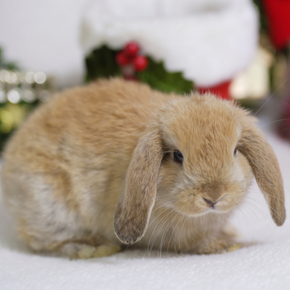
With the inevitable hustle & bustle that surrounds the run-up to Christmas, it’s important to carve out some time now to think about how your Christmas plans will impact your small pets. The vet nurses at our Glasgow practice have these top tips for bunny-proofing your home and keeping them happy and safe.
Rabbit health emergency? Contact us
How to ensure a happy and rabbit-safe Christmas
As humans, we recognise the change in seasons and the events that traditionally come with Christmas; we understand why the house looks like Santa’s grotto, why there’s an outdoor tree indoors, and why we’re always out, busy wrapping gifts, or entertaining guests with mulled wine…
Rabbits, however, do not recognise these changes, or understand why their regular routine has been disrupted. If you’re the proud keeper of rabbits in Lanarkshire, our vet nurses recommend you consider the below changes as things that need addressing for your bunnies:
- New decorations around the house
- Wires trailing for fairy lights and other plug-in decorations
- Christmas tree pine needles dropping on the floor
- More visitors in the home
- Change in daily routine with the change in weather and daylight
- Less interaction with you if you are busy
Let’s look at these in more detail.
Christmas decorations
For rabbits kept indoors, they will be used to their surroundings and how that looks. At Christmas we naturally change that environment and add decorations – these can not only cause some distress but can also introduce potential new things your rabbits may take an interest in and chew. This could lead to choking or other gut problems, so it is important to ensure any new decorations and the tree are placed well away from where they are able to reach. The same goes for trailing wires for fairy lights and other decorations – use cable tidies and try to keep wires off the floor and your rabbits away. Call us if you have a Christmas decoration-related rabbit emergency on 0141 643 0404.
Christmas visitors
Visitors are often more frequent in the winter months as we spend more time indoors. Pets can find it stressful having people coming in and out of the home. Plus, they may not like being handled more often or by strangers, as some visitors tend to make a beeline for pets. Our Glasgow nurses advise that you should make sure your rabbits have a secure and quiet place away from all the activity, so they can feel safe and calm.
Winter seasonal changes
Rabbits are a naturally sensitive species and whether you have indoor or outdoor rabbits these changes will be noticed and may impact how they are feeling. Many Lanarkshire rabbit owners may want to consider bringing outdoor rabbits indoors during the colder and wetter months. Whilst this seems like a sensible thing to do, rabbits are not used to the activity that goes on in the home. So, try to find the quietest place at home for your rabbits’ winter retreat.
Spotting stress in rabbits
Stress in pet rabbits can be very harmful to their health. If you make any changes in the home that will affect them, or to their routine, it is important to monitor them for these signs of stress:
- Changes in behaviour, in particular, aggression
- Running away
- Not eating very much
- Changes in grooming habits
- Changes in pooing habits
If you are concerned about your rabbits’ health and potential stresses, you can book an appointment with one of our Glasgow nursing team. They can discuss ways in which you can help to limit stress for your rabbits at home.
If your rabbit is stressed or you have an emergency, contact us right away on 0141 643 0404.

Christmas is a joyous time of year filled with fun and family gatherings, however, festive presents, decorations, and food can often prove to be dangerous for our inquisitive companions. Read Vet Nicola’s guide below to find out more about common Christmas dangers that our cats and dogs can encounter.
Unfortunately, lots of our loved products we indulge in over the Christmas period are poisonous for our cats and dogs. Nicola explains this a bit further – poisons are any chemical substance that causes harm when ingested by damaging cells, shutting down organs, and even causing death. Here is a list of the most common poisons for our pets over Christmas.
Download our essential oils and pets infographic
Nicola’s Christmas danger list:
Human Food
One of the big Christmas killers of pets is food, according to Nicola. Popular treats can be toxic to pets, including:
- Chocolate
- Grapes, raisins, currants, sultanas and anything with them in I.e., mince pies and Christmas pudding or cake
- Alliums such as onions, garlic, and leeks
- Alcohol
Beware of foods such as gravy and leftovers which can contain these fatal ingredients. On top of this, fatty foods can cause gastrointestinal upsets such as vomiting or diarrhoea, and foods high in sugar, salt, and spice can cause health problems too.
Christmas Plants
If you’re planning on having a kiss under the mistletoe this Christmas, make sure it’s out of your pet’s reach! Plants such as mistletoe and holly are poisonous when ingested and Christmas tree needles are very spiky so will be particularly dangerous when swallowed. Also, plants such as ivy and poinsettia are dangerous, and potpourri can clog up their throats when ingested, so keep them out of reach too.
Decorations
From baubles, ribbon, wrapping paper, and tinsel to tree lights, batteries for gifts, and fake snow; Christmas brings lots of new furnishings which may excite our furry friends. If any of these objects are ingested by your pet, Nicola advises pet owners to call our Woodside Avenue vet practice straight away on 0141 643 0404 as materials can get lodged or cause burns or discomfort.
Household products and medication
It is always useful to know that cleaning products and any pills left lying around will most likely be toxic for pets. Antifreeze is highly toxic to cats and dogs. Be careful of anything lying around the house during the festive season. Call us immediately on 0141 643 0404 if your cat or dog has swallowed anything or has any substances on their fur or skin.
Essential oils
Whether you use these yourself via candles, diffusers, oil burners, or out of the bottle, or you have bought one as a present, be aware that many essential oils are poisonous to pets, especially cats. Google the oil before using it and keep it well out of your pet’s reach if necessary. Some oils can cause harm through inhalation or absorption through the skin too.
Learn more about essential oils and pets in our downloadable infographic.
Keep in mind that Nicola’s list above is not exhaustive and only outlines the most common household dangers for cats and dogs. If your pet has ingested or come into close contact with any of the hazards above, or anything else you are concerned about, contact our vets immediately.

Christmas is coming… and our thoughts turn to what pet owners can do to have an enjoyable time of year with their dogs. The team at Avenues Vets have shared their top 5 UK places to take dogs as well as alternative fun you and your dog can have closer to home.
If, after reading our article you have a favourite dog walking hotspot or home activity we’ve not covered, why not share it with other dog owners in Lanarkshire via our Facebook page?
Share your dog tips on Facebook
We’ve also got some fun activities you can try at home with your dog – download it now!
Dog walking hotspots in the UK
If you and your dog enjoy getting out regardless of the weather, here are our Glasgow team’s top 5 suggestions for where you can go together this month:
1. The Lake District – This is one of the most stunning places all year round and pet owners travel for miles to take their dogs on the long, beautiful walks.
2. Cornwall – We often think of Cornwall as a summer destination, but winter is the real time to play as many of the beaches closed to dogs in summer are now open to welcome canine visitors.
3. Snowdonia National Park – Also famous for its beautiful scenery and long walks, Snowdonia is a beautiful place to take your canine friend for a ramble. Be extra careful in icy conditions though as driving there and walking can be tricky.
4. The Cairngorms – This mountain range in Scotland is a dog walker’s paradise; you can even go monster hunting with a cruise on Loch Ness!
5. Cotswolds Water Park – This is a beautiful place to walk dogs; they will need to be kept on a lead in most areas to protect the wildlife but it’s still worth the visit.
If you are planning to be out and about during December with your dog, our Glasgow vet nurses advise you to always plan ahead:
- Make sure you are familiar with the walking route you are taking and the daylight hours as these may vary across the UK – it’s unwise to explore outside of daylight hours.
- Always take a first aid kit for both you and your canine partner.
- Ensure you have all the supplies you will need to keep dry and warm. Ruff & Tumble dry coats (and other available brands) can be helpful to warm your dog after their activity.
- Our Vet at our Glasgow practice, Nicola Armstrong, also advises that you should always consider your pet’s health and abilities, especially if they are older, before planning a new adventure.
Local dog friendly walks
If you don’t fancy going on a big adventure this close to Christmas, or are worried about the short days and potential bad weather, our team have come up with some ideas for entertaining your dog a little closer to home:
- Most local garden centres and an increasing number of cafes in Lanarkshire are dog friendly and enable your dog to hang out with you while you shop, potter around, or relax with a hot drink and cake.
- You’ll be surprised how fun a trip to the pet shop can be for your dog – all their favourite smells and the chance to find a rogue dog biscuit on the floor? Paradise for dogs!
- Many National Trust locations and other attractions in the UK allow dogs in parts of their grounds if you want to walk them somewhere out of the ordinary.
Dog fun at home
The team at Avenues Vets have also got the perfect solution if you just fancy an indoors day or want some ideas to supplement your dog’s usual activities including tricks for treats, and timed laps around the house! Download these here:
Try these Winter Indoor Dog Activities
With Christmas around the corner, you might be thinking about Christmas gifts for your dog too. Our vet nurses recommend searching for dog boredom puzzles and toys. The more interactive the game can be, the better stimulation for your dog, especially in months where you may not be getting outdoors as much and need something to help fight boredom.
Scatter feeding, where you scatter your dog’s mealtime biscuits across the floor can make things more interesting, especially if you play hide and seek with some of their biscuits too!
Whether it’s getting out and about, games at home, or toys and gifts to put under the Christmas tree, it’s important to make sure your dog is safe and happy.
Remember to share your top dog-friendly places to go in Lanarkshire and beyond on our Facebook page!

With winter on the way and cold temperatures setting in across Lanarkshire, it is important to know the limits of our faithful companions. The cold weather can pose serious risks for our pets, so the team at Avenues Vets have outlined some tips to keep your dog healthy, comfortable, and safe in the coming months.
Can you walk your dog in the snow?
Our vet nurses can confirm that you can walk your dog in the colder temperatures including in the snow. However, there are some precautions you should take beforehand.
- Consider dog sweaters, jackets, boots, or socks to place a barrier between them and the cold. This will keep them warmer and dryer – monitor your pet to avoid overheating.
- Mix up your dog’s walking routine to get them moving more – you can use objects on the walk such as lampposts to walk them around.
- Limit walks to 15 – 20 minutes to avoid the harsher effects of the cold.
- Look for cues such as whining, shivering, or hard skin – dogs can get frostbite too!
- Alternative forms of exercise should be encouraged such as indoor play if the weather is below freezing in Lanarkshire.
- Even though some dogs are more tolerant of cold weather, you should not leave them outside for long periods of time with no warm retreat.
- Keep your dog’s toe hair clipped to prevent ice from getting stuck in their fur making it painful/difficult to walk.
- Walk your dog in the day when it is a bit warmer.
- Try and prevent them from grazing or licking ice and snow – these commonly contain toxic chemicals that can be fatal for your pet if ingested in certain amounts.
- Wipe your pet’s legs, paws, and stomach after a walk – this will:
- remove harmful chemicals before they have chance to lick them
- remove grit and rain/ice water that can irritate them
- help to minimise the risk of cracked paws
- warm your dog up a bit if you use warm water
How cold is too cold to walk your dog?
Our Glasgow veterinary nurses advise that generally, any temperature below -4 degrees Celsius is dangerous for dogs of all shapes and sizes; above that you should be able to make a good judgement on which precautions to take.
It is important to remember all dogs are different – older, younger, small to medium breeds, and short-haired dogs are more at risk of developing frostbite or hypothermia on winter walks, so keep that in mind. If the temperature is uncomfortable for you outside (without six layers and a thick padded coat on), it is likely to be uncomfortable for your dog.
Remember though, you and your dog can also make great memories in the snow, so have fun!
If you have any extra tips, or just want to show off your dog in their new winter coat, go ahead and share them on our Facebook page.
A pre-winter health check can help to ensure your pet is fit and ready to take on the frosty season ahead. Call us on 0141 643 0404 to book one now.


