

This month, we spoke to our nursing team at Avenues Vets to find out their favourite famous cats! Dominating films, television adverts and cartoons, the following kitties are firm winners in the eyes of The Avenues Vets’ nurses.
Can you think of any other famous felines that didn’t make The Avenues Vets’ list? Why not share your own favourite famous cats on our Facebook page?
Share your favourite famous feline
- Garfield – A comic strip and cartoon character who is known for his love of lasagne and sarcastic humour.
- Tom – A cartoon cat who is the main antagonist in the Tom and Jerry cartoon series.
- Grumpy Cat – A cat who became famous on the internet for her permanently grumpy expression.
- Felix the Cat – A cartoon character who was first created in the 1910s and has since appeared in various forms of media.
- Lil Bub – A cat who became famous on the internet for her unique appearance and charming personality.
- Cheshire Cat – A character from Lewis Carroll’s ‘Alice’s Adventures in Wonderland’ known for his mischievous grin.
- Hello Kitty – A Japanese character created by Sanrio, known for her cute appearance and merchandise.
- Simba – A lion cub who is the main character in Disney’s ‘The Lion King.’
- Bagheera – A black panther who appears in Rudyard Kipling’s ‘The Jungle Book’ and various adaptations.
- Salem – A talking cat who appears in the television series ‘Sabrina the Teenage Witch. ’
Famous cats are fantastic and fun, and we hope they make you smile too!
Now, back to the most special feline of all… your cat! Remember to ensure their preventative healthcare is up to date and they are a healthy weight.
We can help with this so why not book an appointment for your cat with our team at Avenues Vets or contact us today for more advice? .
Did we miss any off the list? Share who your favourite famous cat is on our Facebook page and make our nursing team’s day!

As social creatures, Avenues Vets believe it is best to keep guinea pigs living in pairs or groups to help mimic their natural behaviour. Not only will it improve their mental wellbeing, but they are less likely to suffer any physical issues linked to isolation. Our Vet Nicola Armstrong discusses everything you need to know on guinea pig companionship in our article below.
Register your guinea pigs with us
Companionship
Guinea pigs rely on social interaction to thrive. They will often groom each other, play, keep each other company – all of which will help them feel happy, safe, and secure in their home with you. As a minimum, Nicola recommends having a pair of guinea pigs to enable them to do all of these things.
Behaviour
By keeping a guinea pig on their own, you are confusing their natural behavioural development. Living with a companion helps the pigs to develop boundaries, whereas single guinea pigs will often become aggressive and in some cases, depressed and will self-harm.
Communication skills
Living with a companion or two will help your guinea pig to work on their communication skills. They use body language, scent marking and a range of vocalisations (such as squeaks and grunts) to communicate with other guinea pigs. Often, they will start to squeak at their owners as well!
Keeping them active
Living with companions also helps guinea pigs stay active. As a species, they need regular exercise – a companion can encourage play, stimulation, and exploration. This will help to keep them physically fit, reducing the likelihood of obesity and associated health issues, as well as mentally stimulated.
Overall, keeping guinea pigs in pairs or small groups is important for their physical and mental health. Our team at Avenues Vets on Woodside Avenue are more than happy to advise if you are considering adopting a guinea pig – as it’s highly recommended to adopt two or more for company.
Remember to share this article with other guinea pig owners and contact us today for more advice on 0141 643 0404 or to register your guinea pigs with us.

The veterinary team here at Avenues Vets regularly sees similar cases, year after year, once the summer months roll around. Our Vet Nicola Armstrong discusses below some of the most common conditions that can affect your pet with advice on how to avoid these and keep your pet healthy.
Contact us if your dog needs treatment
1. Heatstroke
When exercising your pet, the outside temperature isn’t the only thing you should think about; your dog’s breed, coat type, anatomy, health, and activity levels should all be considered.
As a general rule of thumb, all dogs should avoid exercising during the hottest part so of the day when it’s reaches upwards of 20 degrees Celsius. However, our Vet Nicola Armstrong asks owners of large breeds, overweight dogs, older dogs, overly active dogs, thick coated or brachycephalic (flat faced) breeds to be aware that these dogs may suffer more and in lower temperatures too.
Heatstroke is not just limited to the summer months; however, it is much more likely to affect your pet when it’s warm.
Heatstroke occurs when your dog’s body cannot cope with the rise of their internal temperature, this in turn starts to damage their soft tissues and organs. In fatal cases, these damaged organs will fail, causing death. Be vigilant with your pet’s summer management and keep a close eye on them for the following symptoms: vomiting, panting, lethargy and your pet collapsing.
2. Dehydration
Your dog may suffer from dehydration if they do not consume enough water. Whether this is because they are overactive, they are not big drinkers, or they could be suffering from an undiagnosed, underlying health condition, if your dog becomes dehydrated, they will need veterinary attention. Treatment usually involves fluids being given intravenously to quickly replace any they have lost and a course of antibiotics, anti-pain medication and anti-sickness medication may also be prescribed.
In general, dogs should consume daily approximately 50-60ml of clean water per kilogram of their body weight. For example, a 10kg dog should be consuming 500 – 600ml of water a day.
Keeping an eye on your pet’s drinking habits in the summer is a good way to reduce the risk of dehydration. Symptoms to look out for are a dry nose, loss of appetite, dry gums, loss of skin elasticity and in more severe cases, sunken eyes and your dog may collapse.
Top tip from our team: Add some water to your dog’s meals to encourage them to take in more fluids.
3. Sunburn
Many owners who are registered with Avenues Vets always seem shocked that their dog can suffer from sunburn. The most commonly affected areas are noses, ears and other exposed areas not protected by fur.
If your dog’s ear tips are dry, cracked or misshapen, or you spot ulcers, wounds or rashes on your pet, they could be suffering from sunburn. If your dog becomes severely sunburnt, they may seem generally unwell or may have a slight fever.
We often have to treat pets for infections that have developed at the sunburn site. Head Vet Nicola Armstrong warns all dog owners to look out for skin blistering or/and pus oozing from the site – if this is the case, your dog will need emergency veterinary intervention to help get on top of the infection promptly.
The easiest way to avoid sunburn is to keep your pet out of the sun during the hottest part of the day and invest in a pet-safe sunscreen.
4. Summer parasites
During the warmer months, pet parasites are often more active, resulting in a higher risk of disease for your dog. The concentration of ticks usually increases due to the natural increase in dog footfall at common areas, such as the park or local woodland. These carry a number of diseases, but the most common disease affecting both dogs and humans, is Lyme Disease. Fleas also love to thrive in warm, yet damp conditions – so the warmer months when your dog is hot, and the weather is humid, is when you should be on high alert for potential flea infestations.
Keeping your dog up to date with their parasitic treatments throughout the year will help to keep them safe and reduce the need for veterinary treatment this summer. Contact us about parasite prevention.
Other seasonal parasites, such as horse flies and mosquitos are seen during the summer and autumn months and can bite both dogs and humans alike. This can sometimes cause dangerous allergic reactions which may need to be treated by a vet. Always keep an eye on your pet for any new lumps and bumps they may have and contact us if you notice anything unusual.
5. Poisonous plants
Nicola Armstrong warns that as beautiful as some garden plants become in the summer, many of them are toxic to dogs when ingested. For example, foxgloves and lilies contain cardiac glycoside toxins, which will interfere with the electrolyte balance in your dog’s heart muscles which can be fatal. Symptoms include, tremors, seizures, nausea, drooling, dilated pupils, and your vet will be able to detect abnormalities when listening to your pet’s heart.
Always monitor your dog whilst they are outside and contact us immediately if you suspect your dog could have ingested something poisonous.
6. Open water
If your dog loves open water, Avenues Vets understands that they will definitely want to go swimming once summer is here. However, as an owner, it is important to consider the safety of your pet before they even begin paddling. Hidden hazards underneath the water could cause your pet injury, and open water may be subject to currents and undercurrents. Blue green algae (cyanobacteria) is usually found in lakes, ponds and streams around the UK and is toxic to dogs. It’s not always visible so can be a big risk even if the water looks safe.
Ingesting either sea water or water containing cyanobacteria is a big contributor to dehydration – after ingesting the water, dogs will often experience vomiting or diarrhoea. Always ensure you have fresh drinking water to hand for your dog.
Ear infections and skin irritations from sand are also two other conditions we tend to treat in the summer. Always make sure you thoroughly hose your dog with fresh water after any type of swimming and invest in a veterinary approved ear rinse solution.
7. Barbeques and fireworks
Even with our unpredictable British weather, most people in the UK will attend a barbeque over summer. However, taking your pet could put them at risk.
As well as the risk of burning, many BBQ dishes contain sauces high in levels of salt/sugar, garlic or onion, both of which are toxic to dogs. Foods high in salt/sugar are contributors to kidney failure and salt can also cause dehydration. Furthermore, the different cooking method may upset your dog’s stomach whilst large pieces of meat could lead to obstruction or choking – both needing veterinary help.
Fireworks, festivals and other outdoor celebrations near to where you live could frighten your dog. Chat to our team here at Avenues Vets to discuss what options are available to help your pet cope with their fear of loud noises.
Book a consultation with one of our vets to discuss any of the risks listed above. If you believe your pet is suffering from one of these conditions, call Avenues Vets immediately on 0141 643 0404.
Share this advice with other dog owners using the share buttons in this article.
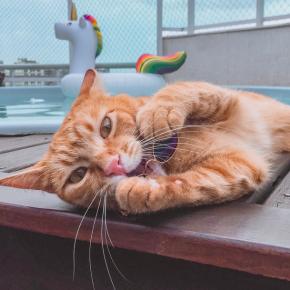
With summer upon us in Lanarkshire, it’s important for cat owners to take steps to ensure their feline friend stays safe in the heat.
Our vet team at Avenues Vets have created this article on summer safety checks, plus a downloadable guide on common summer first aid situations & tips for you to share with other cat owners, helping to keep all cats in Lanarkshire safe this summer.
Download our Summer Cat First Aid Tips
10 Summer Safety Checks for your Cat
- Keep your cat cool: Cats can suffer from heatstroke, so make sure they have access to cool, shaded areas and plenty of fresh water to drink.
- Provide a litter box: Cats may spend more time indoors during hot weather, so make sure they have access to a clean litter box at all times.
- Keep your cat indoors during the hottest parts of the day: If you can, keep your cat indoors during the hottest parts of the day, especially if they are an older or indoor-only cat. If they really want to go outside though, they should, but for shorter periods.
- Regular grooming: Regular grooming can help to keep your cat cool and prevent hairballs. Consider brushing your cat more often during the summer months to cool them down.
- Watch out for fleas and ticks: Fleas and ticks are more active during the summer so make sure your cat is up to date on flea and tick prevention. Contact us at Avenues Vets for more help with flea and tick treatments or browse our website for more information on this topic.
- Provide plenty of entertainment: Cats may be less active during the summer so provide plenty of toys and activities to encourage them to move more.
- Keep harmful substances out of reach: In summer, many household items, such as sun cream and insect repellent, can be harmful to cats if ingested. Make sure to keep these items out of reach. Contact us immediately if you suspect your cat has ingested any of these substances.
- Watch out for poisonous plants: Some common garden plants, such as lilies and foxgloves, can be toxic to cats if ingested. Make sure to keep these plants out of your cat’s reach. Contact us immediately if you suspect your cat has ingested any of these plants. Check out our Summer First Aid Tips downloadable guide that covers poisons.
- Watch out for open windows: Cats love to sit in the sun by open windows but make sure that bug screens are secure to prevent your cat from falling out when relaxed!
- Regular check-ups: Regular check-ups with one of our vets can help to ensure that your cat stays healthy and happy throughout the summer months. Contact us at Avenues Vets to book your cat in for a health check-up this summer.
Why not share this article on your socials AND download and share our Summer Cat First Aid Tips with other cat owners? They’ll be happy you did!

If you’re wondering whether a guinea pig is the right pet for your family, then this is the article for you! Our Head Nurse Linsey has pulled together the best advice from our team at Avenues Vets to help you to decide on introducing a guinea pig to your family and the care tips you’ll need to know.
Ask our vet nurses for guinea pig advice
Guinea Pig Appreciation Day is officially on 16th July but we think it’s perfectly fine to celebrate guinea pigs every day! Help us shout about these wonderful animals by sharing this article with other pet owners on your socials.
What you need to know about Guinea Pigs
• Affectionate and easy to care for
As social animals, it is best to purchase guinea pigs in pairs or small groups. They thrive in company and love interacting with each other, making them a popular choice for first-time pet owners. They require minimal grooming (and possibly the odd ‘butt bath’ if they can’t clean themselves) – just ensure their cages are cleaned weekly and food/water replaced daily to keep them healthy and happy. Guinea pigs love to be petted and held and will often come to the front of their cage to greet their owners.
• Low maintenance and long lifespan
The average life span of a guinea pig is 4 – 8 years, meaning they can provide many years of joy to their family. There are a number of different breeds, each with different characteristics. Chat to The Avenues Vets’ vet nurses about what breed would be best for you and your family.
• Cute and quiet
Unlike many small pets, guinea pigs are not nocturnal. This means that they are most active during the day, making them perfect family pets, especially for those with younger children. Guinea pigs also do not make a lot of noise – they softly chirp when happy but are very unlikely to disturb you with loud or disruptive behaviour.
To sum it up in a few words, guinea pigs can make great family pets; if you are looking for a friendly and low-maintenance pet, a guinea pig might be the perfect choice for you!
To learn more about guinea pig care at home and what our practice provides, contact our clinic to chat to our friendly team of vet nurses at Avenues Vets.
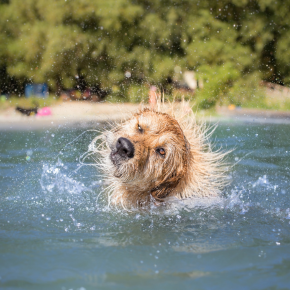
When it’s hot outside in Lanarkshire, it’s essential to take extra precautions to ensure your dog’s safety and wellbeing. Below are some fun and safe activities, as advised by The Avenues Vets’ dog-loving nursing team, you can do with your dog to keep them active and engaged while staying cool.
How hot is too hot for dogs we hear you ask?
Vet Nicola Armstrong advises,
- Above 19 degrees Celsius can cause your dog to overheat and become dehydrated
- Above 25 degrees Celsius is too hot for dog walks
- 22 degrees Celsius in a car could reach 47 within the hour
However, some dogs, perhaps if they are overweight, have lots of fur or have health issues, may struggle in lower temperatures.
We also have a helpful guide on what not to do with your dog in the heat – download our infographic and remember to share it with your friends and family.
5 things NOT to do with your dog when it’s hot
7 Dog Activities for Hot Weather
- Swimming: If your dog loves the water, swimming is an excellent activity to keep them cool and active. You can take your dog to a dog-friendly beach or pool or set up a (supervised) paddling pool in your garden. We’d love to see photos of your dog enjoying a splash about – go ahead and share them on our Facebook page!
- Indoor Playtime: When it’s too hot to play outside in Lanarkshire, bring the fun indoors. You can set up an obstacle course or play hide and seek with your dog.
- Frozen Treats: Make some homemade frozen treats for your dog to enjoy. You can freeze some of their favorite treats or dog-safe fruit in ice cubes or create a DIY dog-friendly ice cream.
- Morning/Evening Walks: When planning your dog’s daily walks, Vet Nicola Armstrong recommends opting for early morning and/or evening walks when it’s cooler outside. Dogs won’t die from missing a few walks, but they could easily die from heatstroke…
- Interactive Toys: Interactive toys, such as treat-dispensing puzzles, can keep your dog mentally stimulated and engaged while they stay cool inside.
- Shade and Rest: Make sure your dog has plenty of shade and access to cool water when they’re outside. Encourage them to rest and take breaks when they need it.
- Grooming: Keep your dog’s coat well-groomed to prevent heat retention. Regular brushing can help remove excess fur and keep your dog’s skin healthy. With most dogs loving a good brushing and extra attention from their favourite humans, Nicola suggests that grooming will be a bit hit with your pet!
Remember to always keep an eye on your dog’s behaviour and look out for signs of heat exhaustion, such as excessive panting, drooling, and lethargy. By taking these precautions and engaging in fun and safe activities, you and your dog can enjoy the summer while staying cool and comfortable.
Also, remember to check out The Avenues Vets’ guide on,

Flystrike, also known as myiasis, is a severe and potentially fatal condition that can affect rabbits and guinea pigs. It occurs when flies lay their eggs on the animal’s fur, which then hatch into maggots and burrow into the animal’s flesh. In this article, The Avenues Vets’ Head Vet Nicola discusses how to prevent your rabbit or guinea pig from getting flystrike.
Call us on 0141 643 0404 if you spot signs of flystrike in your small furry pets.
5 Ways to Avoid Flystrike
1. Keep your pet’s living area clean
Flystrike most commonly occurs in dirty or unhygienic living conditions. To prevent flystrike, it’s essential to keep your pet’s living area clean and well-maintained. Nicola recommends regularly cleaning the cage or hutch, removing any soiled bedding, and keeping the area free of faeces and urine. This is the best way to keep your pet’s risk of flystrike down.
2. Check your pet’s bottom
Rabbits and guinea pigs are most susceptible to flystrike in their rear ends, where it is difficult for them to clean themselves properly. To prevent flystrike, it’s essential to check your pet’s bottom daily, especially during the summer months. If you notice any signs of soiling or moisture, clean the area immediately and monitor it closely for any signs of flystrike. Contact us if you’re concerned and our team of nurses will be happy to advise.
3. Use fly screens or netting
Flies are attracted to moist and dirty areas, making your pet’s living area an ideal breeding ground. To prevent flies from entering your pet’s living area, consider using fly screens or netting on windows and doors. This will prevent flies from entering the living area and reduce the risk of flystrike.
4. Use insect repellents
Insect repellents can be an effective way to prevent flies from landing on your pet and reducing the risk of flystrike. However, it’s essential to use a repellent that is safe for your pet and not toxic if ingested. Speak with one of our vets or nurses about the best insect repellent options for your pet.
5. Consider hair trimming
Long or matted fur can provide an ideal breeding ground for flies, making your pet more susceptible to flystrike. Consider trimming your pet’s hair, particularly around the rear end, to reduce the risk of flystrike. However, be careful not to trim too close to the skin, which can cause skin irritation and make your pet more vulnerable to flies. This is something The Avenues Vets’ experienced team of nurses could help you with. Contact now to chat to our nursing team.
In conclusion, flystrike is a severe and potentially fatal condition that can affect rabbits and guinea pigs from all over Lanarkshire. By keeping your pet’s living area clean, checking their bottom daily, using fly screens or netting, using insect repellents, and considering hair trimming, you can significantly reduce the risk of flystrike and keep your pet healthy and happy. If you notice any signs of flystrike, Nicola advises to seek veterinary attention immediately.

Cats bring joy and companionship to millions of people around the world. One of their favourite activities is to lay out in the sun or on a sunny window ledge. However, during hot weather, cats can be susceptible to heatstroke, a condition that can be life-threatening if not treated promptly. In this article created by Vet Nicola, we’ll discuss how to prevent heatstroke in cats and the signs to look out for.
Top Tips for Keeping Cats Safe this Summer
Keep your cat indoors
Although we may not get as much warm weather as we perhaps desire in Lanarkshire, when it does heat up it’s best to keep your cat indoors in a cool and well-ventilated room. This will help prevent them from overheating and keep them safe from outdoor hazards such as cars, predators, and toxic plants. If your cat is an outdoors wanderer, try to encourage them back indoors as often as possible.
Provide plenty of water
Make sure your cat has access to clean and fresh water at all times. Nicola suggests placing multiple water bowls throughout your home, especially in cooler areas like the bathroom. You can also add ice cubes to their water to keep it cool. You may want to place a bowl or two outdoors as well if your cat does like to venture out.
Provide a cool environment
Ensure that your cat’s environment is cool and well-ventilated. Use fans or air conditioning to keep the air circulating and the temperature comfortable. You can also provide cool surfaces for your cat to lie on, such as a tile or marble floor.
Avoid exercise during the hottest parts of the day
Avoid exercising your cat during the hottest parts of the day, such as midday when the sun is at its peak. Instead, exercise your cat in the early morning or late evening when the temperature is cooler.
Groom your cat regularly
Regular grooming can help prevent heatstroke by removing excess fur that can trap heat and make your cat uncomfortable. Brush your cat daily to remove loose fur and matting.
Signs of heatstroke in cats
If your cat is exhibiting any of the following signs, they may be experiencing heatstroke and require immediate attention. Call Avenues Vets on 0141 643 0404 to speak to one of our vets in Glasgow.
- Excessive panting or drooling
- Rapid heart rate
- Reddened gums or tongue
- Lethargy or weakness
- Vomiting or diarrhoea
- Confusion or disorientation
- Seizures or collapse
If you suspect that your cat is experiencing heatstroke, contact your vet for advice immediately. In the meantime, try to cool your cat down by providing them with cool water to drink, wetting their fur with tepid (not cold) water, and placing them in front of a fan.
Nicola says that following these simple tips and knowing the signs to look out for can help keep your cat safe and comfortable during hot weather. Remember to always provide plenty of water, keep your cat cool, and seek veterinary attention if you suspect your cat is experiencing heatstroke.
Use the button below to book your own cat’s summer health check and don’t forget to share this article with other cat owners.

As owners you can sense when your pet is feeling unwell and witnessing them vomit is an unpleasant experience. Seeing their sad face and hunched over posture can be a worry, but how do you know when it’s an indication of something serious?
Vomiting is a common occurrence in cats and dogs, and the good news is that most of the time the sickness will pass over the course of 24 hours without any medical treatment. However, occasionally it can be the start of something more dangerous, depending on the situation.
Our experienced team at Avenues Vets in Lanarkshire have put together a helpful guide on this topic, highlighting some of the common reasons for vomiting, how to care for your pet when they are feeling sick and when you need to contact the vet.
Contact us if your pet is unwell
The dangers of everyday items
As veterinary professionals, the first thing we associate with vomiting pets is puppies and kittens. Young animals are the number one culprit for sicky symptoms, and this is because their curious behaviour means they like to chew everything they can get their paws on.
According to Vet Nicola Armstrong, common items that puppies and kittens chew and sometimes swallow include:
- Toys
- Socks
- Shoes
- Sticks
- Blankets
- String or ribbon
- Hairbands
- Underwear
- Items from the rubbish bin
Luckily, in most cases this activity doesn’t cause damage, but sometimes these ‘foreign bodies’ can aggravate the digestive system, or even cause toxicity or an obstruction. Unsurprisingly, one of the first symptoms of stomach irritation is vomiting, and this happens as the body tries to reject and push out the unfamiliar substance or item.
Common causes of vomiting
Another common reason for your cat or dog vomiting may be that they are eating their food so quickly that they bring it back up undigested. This is regurgitation rather than true vomiting and is often behavioural and most prevalent in puppies. Sometimes cats will regurgitate to bring up hairballs. Neither of these symptoms are serious unless they become frequent; please call our Woodside Avenue team on 0141 643 0404 if you suspect your pet is regurgitating and we will happily advise you on how best to prevent it.
Vomiting can also be a sign of a serious underlying condition such as kidney disease or pancreatitis, so further investigations may be needed. Other reasons your pet may be vomiting include:
- Gastroenteritis
- Food allergies
- Travel sickness
- Worms
- A change in diet
- A reaction to a medication
- An infectious disease
- Ingesting something poisonous
When to call the vets if your pet has vomited
Nicola explains that for most one-off cases of vomiting, emergency veterinary treatment is not required, and the symptoms will pass through in a few hours. There are situations that warrant emergency help and can be serious if left untreated. You should call us immediately if your pet experiences any of the following:
- Vomiting often and frequently, for example, more than once in 24 hours
- Unproductive vomiting – where nothing comes up or frequent retching
- Your pet is vomiting and is very young or very old and therefore more vulnerable
- Your pet has other serious diagnosed conditions such as diabetes or kidney disease
- Your pet has a bloated and/or tender tummy
- The vomit is a red/brown colour or contains specks of red, indicating blood
- Your female dog is vomiting and is pregnant and/or has vaginal discharge
- The vomiting is accompanied by diarrhoea
- Your pet is wobbly or unsteady on its feet
- Your pet collapses or seizures
It is important to stress that if you think your pet has eaten something poisonous or toxic, even if they have not vomited, do not wait until your pet shows symptoms, call us immediately on 0141 643 0404.
See our emergency care details
How to care for your pet when they are sick
If your pet has been or is about to be sick, they will likely feel nauseous. Signs may include:
- Salivating or dribbling
- Licking lips
- Shying away from food
- A hunched posture
- Restlessness and pacing around (dogs)
- Sitting still with eyes closed or half closed (cats)
- Being ‘clingy’ and not wanting to leave your side
- Hiding away
- Eating grass (dogs)
Here are some tips on how to best care for your pet if you notice these signs:
- Ensure they have calm, safe, quiet surroundings so they can rest
- Keep warm and comfortable
- Offer them small amounts of fresh drinking water but do not force them to eat or drink
- Do not walk or exercise them for 24 hours except to go to the toilet
- If vomiting has stopped and they seem brighter it is safe to offer them a small amount of bland food such as plain boiled chicken, however it is best to call us first for feeding advice
If you are unsure of what to do if your pet is vomiting and unwell, please call the Avenues Vets team on 0141 643 0404 and we will advise you on the best course of action.

To pet insure or not to pet insure – that is a common question. When thinking about your pet’s health you want to make sure they have the best possible protection in the event of an illness or injury occurring.
The team at Avenues Vets encourage Lanarkshire pet owners to be prepared for any life-changing or indeed life-saving treatment their pet might need. Pets become a huge part of the family and when they are unwell or in pain, being able to get them the treatment they need instead of what is affordable at the time can make all the difference.
Read our Glasgow team’s advice on why pet insurance is a wise investment.
If you have any further questions or wish to discuss how we can help with insurance claims, do get in touch.
Why is pet insurance a wise investment?
1. You can insure many types of pets
You might think that pet insurance is only for dogs and cats, but you’d be wrong. Our Vet Nicola advises that you can get insurance for a wide variety of pets including rabbits, reptiles, and other exotic pets.
2. Being prepared can give you peace of mind
Unexpected costs can come as a shock, but having the appropriate pet insurance can help to alleviate some of the stress. You can never guarantee when an injury or illness may happen and so it’s wise to always be prepared, which can give you peace of mind.
3. A wide range of benefits
Some pet insurance providers also offer cover and benefits that go beyond payment for illness and injury. They may offer alternative therapies, wellness benefits, and many other services including support if your pet goes missing. It is wise to shop around!
What is the best type of pet insurance?
When thinking about pet insurance it can be confusing with all the different companies and policies they offer. However, there are a few key points to look out for:
- What is the amount of coverage for any illness/injury?
- Does it offer third party liability?
- Is it lifetime cover or will the cover for an illness end after a certain amount, or time?
- Are there any exclusions?
- Will there be a co-payment or other change in pricing structure when your pet hits a certain age?
- What is the excess?
- Does your vet deal directly with the company?
Lifetime cover is typically the most helpful type of pet insurance as it usually offers cover for illness (including ongoing conditions like arthritis) and injury for the rest of a pet’s life, so long as you’re insured with that provider.
Contact us for advice on making an insurance claim
How much cover do you need?
When looking at the amount of coverage provided, Lanarkshire pet owners need to think about the size of the animal they have and the likely costs that may incur. For example, treatment for larger dogs will quite often incur higher veterinary costs due to them requiring larger amounts of medication. However, this is not the only consideration; if you have a breed that is more likely to have more or ‘expensive to treat’ health conditions, you will also likely need a higher policy amount.
What about previous/exiting conditions?
If your pet has a previous or existing condition, this will need to be disclosed before purchasing a new pet insurance policy and may result in exclusions within the policy – it is a legal requirement that all conditions are disclosed.
Why is third-party liability important?
One other consideration is third-party liability. Whilst you might think of pet insurance only looking after the health of your pet, it is also there in case your pet was to cause injury or damage you would then be covered.
What is a co-payment?
Due to the fact that pets typically need more treatment for illnesses as they get older, some pet insurance companies increase policy prices (or renewal prices) by a higher percentage when pets hit a certain age. Some insurers might also require a ‘co-payment’ – which means that should you need to make a claim, you will pay (usually) a percentage of the costs before they settle the rest.
What about excess?
When looking at the excess amount (the amount you will pay towards the claim cost), you can often understand how changing the excess amount changes the policy monthly or annual price, before you purchase it. You might decide that paying a higher excess amount and lowering the cost of the policy is the best option for you, or vice versa.
The team at Avenues Vets advise pet owners that it is important to remember that a pet insurance policy is a contract between you and your insurance provider. It is not a pet health plan and does not cover routine pet health care. Pet insurance is there to provide cover for illnesses and injuries that could occur and therefore you should always make sure you understand the policy benefits, exclusions and terms before making your purchase.
Our team also recommend that Lanarkshire pet owners put a lot of consideration into choosing a policy as if you decide you want to change your policy provider down the road, any existing conditions will probably not be covered.
Contact us for advice on making an insurance claim
If you are looking for a pet health plan that helps with routine preventative care, take a look at our Pet Health Plan here.


