
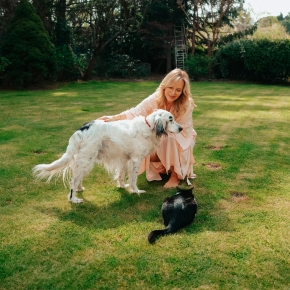
The Avenues Vets’ Pet Guide to a Safe Spring Garden
March 23, 2026


As spring arrives, many pets are eager to spend more time outdoors in Lanarkshire—sniffing, digging and soaking up the sunshine. While gardens can be wonderful spaces for play and enrichment, they can also hide a few seasonal hazards. A simple spring check can help ensure your garden is a safe sanctuary for curious paws.
The Avenues Vets’ team have compiled a checklist below to help prepare your spring garden.
For further advice on pet toxins, contact our team.
A guide to creating a pet-friendly garden this spring
1. Watch out for toxic plants and bulbs
Some of the most popular spring plants can be harmful to pets if chewed or dug up. Bulbs such as daffodils, tulips, and especially lilies are particularly risky. Lilies are exceptionally dangerous for cats; even a tiny amount of pollen groomed off their fur, or a nibble of a bulb can lead to fatal kidney failure. Other common garden culprits include foxgloves, bluebells, and azaleas, all of which can cause serious heart or digestive issues. If you’re planting new flowers this season, always check they’re pet-safe first.
2. Be cautious with mulch and garden products
Our vets in Glasgow warn that cocoa mulch, often used for its rich colour and scent, contains compounds similar to chocolate and can be toxic if ingested. Slug pellets, weed killers and some fertilisers also pose a risk. Spring fertilisers often contain bone meal or blood meal which can be very tempting for dogs to eat in large quantities, leading to gastrointestinal blockages or upset. Where possible, choose pet-friendly alternatives and store all products securely out of reach. Call us on 0141 643 0404 if you have any pet safety questions.
3. Check forgotten areas after winter
Spring is a great time to inspect parts of the garden that may have been ignored over winter. Look behind sheds, in greenhouses and along fence lines for sharp tools, broken pots, nails or loose wire. The Avenues Vets’ team explain that greenhouses may also contain antifreeze, pesticides or glass hazards that curious pets could access.
4. Create a safe space for play
Regularly check fences and gates for gaps, remove fallen branches and supervise pets when new plants or features are introduced. For dogs who love to dig, consider providing a designated digging area to discourage exploring unsafe spots.
A pet-safe garden means you can relax while your companion enjoys the outdoors. If you’re unsure whether something in your garden could be harmful, The Avenues Vets’ team are always happy to advise.


