
It is often thought that cats can withstand lower temperatures than humans as they have fur coats, however, this is not always true. Though cats are very adaptable animals, they can be susceptible to life-threatening conditions such as hypothermia or frostbite if the temperature outside drops too low.
So, Vet Nicola Armstrong has created a pre-winter cat checklist to help you keep your pet happy and safe during the coming months in Lanarkshire.
Booking a pre-winter cat check-up with one of our vets is a good idea to ensure your cat is healthy enough to cope with what the next few months have in store.
Nicola’s pre-winter cat checklist
Whether you have a cat who loves to be snug indoors or a cat who loves to chase birds outside, it is important to be prepared for the winter weather. Here is Nicola’s checklist to help keep your cat safe in the cold. Why not share it with other cat owners via email or social media?
- Do not lock them outside at night. When the temperature drops your cat will be at a much higher risk of developing frostbite or hypothermia – learn more about hypothermia in pets.
- Install a cat flap. If you haven’t got one already, a cat flap gives your cat the freedom to go out and more importantly, come back in when they have had enough of the cold.
- Get your cat microchipped so if they do wander off or get injured, you have a much higher chance of being reunited with them. You can also program some cat flaps to recognise only your cat’s microchip.
- Keep plenty of water inside in case outside sources freeze.
- Provide shelter for them outdoors. Your cat may want to brave the harsh temperatures, so make sure they have a sheltered spot to retreat to.
- Wipe off anything sticking to their fur or paws – this includes road grit, salt, and ice. Nicola recommends one of the best things you can do is keep them dry.
- If the weather is below 7 degrees Celsius, limit their time outdoors. Despite their layer of fur, this weather is dangerous for your cat. Restrictions like this can stress your cat out though so be sure to monitor their behaviour and let them out if they really want to go.
- Keep them entertained and enriched with toys and playtime inside.
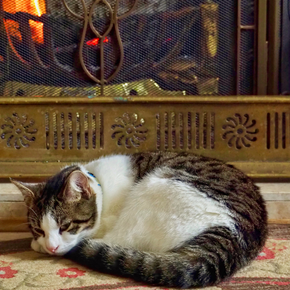
- Use a guard on open fireplaces. As we all know, cats love to cosy-up and be warm, however they may overheat, have their fur singed, or be burnt by embers from an open fire.
- Aim to use de-icer sprays without ethylene glycol. Even a small amount of antifreeze can be fatal for a cat if ingested and annoyingly it tastes quite sweet, which attracts pets.
- Provide a private, indoor litter tray – this way your cat will hopefully think twice about heading outside to urinate or defecate. Nicola advises that you should have at least one litter tray per cat in a multi-cat household, and multiple trays if you have more than one level in your home.
- Check your vehicle before you drive. Cats tend to find warmth underneath cars or around car engines, so lure them out with treats before you set off.
- Keep your cat comfortable. Make sure they have warm blankets or a bed next to the radiator to keep them insulated – especially at night.
- Monitor their food intake. Active outdoor cats may need extra sustenance to maintain their energy levels and keep warm. However, cats who remain fairly inactive and indoors for most of the day may need fewer calories to reduce the risk of getting overweight.
Overall, the best way to protect your cat from the cold weather in Lanarkshire is to understand the risks of them being outside, provide the appropriate resources for them out there, as well as a safe and comfortable space for them indoors. This way, you have everything covered and can enjoy the winter season with your feline friend.
Given the option of a warm fire inside and an icy blizzard outside, our Glasgow veterinary team know what their cats would choose!
What about yours?
Share a photo of your cat and let us know if they are an outdoor winter warrior or an indoor cosy cat on our Facebook page.
For peace of mind, consider booking a pre-winter check with one of our vets.
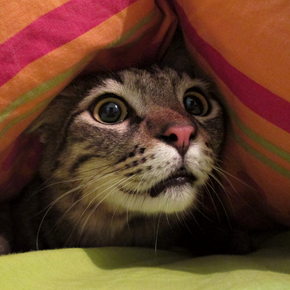
Cat owners across Lanarkshire are probably shuddering at the thought of another season of fireworks and trying to calm their petrified cat. The problem with fireworks and other sudden noises is that they put cats into ‘fight or flight’ mode. More often than not this means they bolt off, increasing their chances of getting lost or injured.
Unfortunately, fireworks are not just limited to the weekends around Guy Fawkes Night (November 5th) anymore. Vet Nicola Armstrong has some seasonal advice for cat owners on how to help their pets cope with the now year-round risks posed by loud and sudden noises.
If none of the ‘natural’ measures recommended below do the trick, you should talk to us about other options like pheromone sprays and diffusers for cats. These remedies can help even the most nervous cats if you start using them in advance.
Ask us about calming products for cats
Helping your cat cope
Follow Nicola’s advice below to maximise the chances of your cat getting through a sudden noise scare relatively unscathed.
Two actions to help cats with noise phobias year-round
1. Microchip and tag
Nicola always recommends that cats are microchipped. This makes it much easier for you to be reunited if the noise has caused them to run off to un-familiar surroundings. Wearing an identity tag as well would be ideal, but at the very least get them microchipped – Contact us to arrange this.
2. Create a safe haven
A natural reaction when any animal is scared is for them to retreat to their ‘den’. You should provide safe, comfortable, and quiet spaces for your cat in various parts of your home.
Six things to do when you know it’s going to be noisy
1. Encourage earlier meal times
Before it starts to get dark earlier around the middle of October, Nicola recommends making your cat’s mealtimes earlier. This should get them into the routine of coming back into the house before it’s dark and the noises start.
2. Keep your cat indoors when it’s dark & noisy
When you know it’s going to be noisy, keeping your cat indoors at night reduces the risk of them getting injured if they bolt – remember to secure cat flaps and shut windows. Restrictions like this can be stressful for cats so you should let them back out to roam when it’s safe.
3. Turn the sound up and close the curtains
Turning the volume up on the TV or radio (not so much that it scares your cat further) will drown out some of the outside noise. Shutting the curtains will dampen the noise and hide the bright flashes.
4. Don’t try to coax your cat out of hiding
If your cat has been spooked by the noise and is hiding, leave them be. A searching hand will not be welcome and it’s better to let cats ‘sit it out’ in a place where they feel safe.
5. Give them a treat
A stuffed chew-toy or a puzzle-ball can keep cats occupied for hours. Any novel stimulation can help take their mind off noise, which can significantly reduce stress. A catnip toy or treat may help too.
6. Be there
If you can, stay home with your cat during a noisy event. Your cat might not want to sit on your lap, but knowing you are in the house may help to pacify them.
If all else fails – consider cat pheromones
Pheromone diffusers can be used to help calm even the most stressed cat when things get really bad. Diffusers can take a couple of weeks to take effect so it’s important to start using them in advance of known noisy periods, or as soon as you notice your cat becoming anxious.
If the natural steps listed above don’t quite do the trick, contact our Woodside Avenue practice on 0141 643 0404 to discuss your cat’s individual needs.

Cats are notorious for being able to hide pain and illness very well. As cats ages faster than humans, a lot can happen in a short space of time but by monitoring your cat closely, you can help to identify any changes sooner and get them the help they need.
The team at Avenues Vets have some advice for cat owners on how to spot common cat health concerns at home in between annual and 6-monthly vet checks.
If you have any concerns about your cat’s health right now,
Common cat health problems
Vet Nicola Armstrong lists common ailments that affect cats below:
- Dental disease
- Skin problems
- Obesity
- Diabetes
- Joint disease/Osteoarthritis
- Heart disease
- Kidney disease
- Urinary problems
- Cancer
Many of these ailments can affect cats at any stage in life, and some are more likely to affect them in their older years. Nicola explains that equally you should not overlook any symptoms whatever age your pet is. Some of the most common symptoms of something changing can be:
- Behaviour changes
- Toileting changes
- Appetite changes
- Water intake changes
- Weight loss/gain
- Skin/coat changes
By regularly checking over your cat at home, you can help monitor for changes but also learn what is normal for them. Nicola advises performing this 6-point cat checklist regularly at home to spot any irregularities:
6-point cat checklist
- Nose – clean, clear, and subtly moist
- Eyes – bright and clear; no discharge or redness around the eyes
- Mouth – healthy looking teeth with no breakages or tartar build up, and healthy pink gums
- Ears – clean and clear with no discharge, swelling, nasty smells, or constantly scratching
- Coat/skin – shiny healthy coat with no dandruff, parasites, bald patches, lumps, or bumps
- Weight – healthy lean weight; can feel rib cage but not see it; can see a defined waist
If you spot any changes on your cat that you are concerned about, it is best to get them checked by Nicola or any of the Vets at our Woodside Avenue surgery. The chances are it is something simple, but it is better to get it looked at and get your cat the treatment they need.

Cats are very unique and sensitive animals that take great pride in looking after their fur. Occasionally however they can start to overgroom themselves. Vet Nicola Armstrong explains that there are various reasons why a cat may overgroom, some of these are medical and some behavioural. Keep reading to learn why your cat might be overgrooming.
If you are concerned about your cat’s health or behaviour, book a consultation at our Glasgow surgery.
So, what do we mean when we say a cat is overgrooming?
Some cats can become particularly obsessed with grooming a particular area until they have removed all the hair there, which can sometimes break the skin and make them sore.
Overgrooming in cats due to stress
Nicola shares that some cats overgroom as a form of stress relief, which is known as psychogenic alopecia. As the cat grooms they get a release in hormones that makes them feel happy. The causes behind this are often new stressors around the home such as;
- Change in routine
- New furniture
- New pet in the house
- New family member
- Moving home
It can often be a very small change that causes a cat to become stressed and start overgrooming.
If you are concerned that your cat is overgrooming due to stress it is important to understand what has changed. Nicola recommends helping your cat to feel calm and settled by:
a. Ensuring your cat’s routine is kept regular
b. Minimising furniture moves or if possible, place something with your cat’s scent around any new items
c. Ensuring easy access to basic amenities such as litter trays, food, and water bowls
There are plug-in pheromone diffusers that can also help de-stress a cat. It may be worth discussing with Nicola or another of our experienced Vets how the diffusers work and if they would be suitable for your cat.
Medically induced overgrooming in cats
Whilst overgrooming in cats is commonly related to stress, Nicola explains that it can be medically induced too. This is often caused by parasites such as lice, fleas, mites, and ticks irritating or causing an allergic reaction. Prevention is better than cure when it comes to parasites so keeping on top of routine parasitic treatments is important to reduce opportunities for your cat overgroom. Speak to our Glasgow team about the latest products in parasite prevention.
It is also important to be aware of other things that can cause hair loss in cats as it may not be down to overgrooming. If you notice bald patches on your cat with no indication of overgrooming, this may be caused by alopecia or another medical/nutritional issue causing hair loss. It is important to get this investigated by one of our Vets.

After two years of summer ‘staycations’, this year we’re expecting a lot of people to be considering longer holidays away from home. For cat owners, this raises the age-old challenge of how to look after their cat during the holidays.
As you basically have three options – live-in care, day visits, or using a cattery – we thought we’d ask the nursing team at Avenues Vets to offer a few tips on what to look out for, depending on the option you choose. If you’re opting for a cattery, and you don’t already know your cat’s vaccination status, call us to check.
Whichever cat holiday care option you decide on, you should make arrangements early to give yourself the best chance of finding the perfect solution for your cat. Use our cat holiday checklists below to help with your research.
Cat sitting services in Glasgow
Daily visits can be made by a neighbour or professional pet sitter. Live-in care is similar, but your cat will benefit from company and can live almost as normal. Check with the sitter to ensure they offer:
- Regular visits/interaction: Cats should be visited or played with at least twice daily so make sure this is agreed and your cat sitter is up for it
- Meals: The volume and routine should ideally be the same as if you were at home
- Water: Fresh water must always be available
- Litter: Cat litter trays should be cleaned twice daily, especially during warm weather
Choosing a responsible cat sitter in Glasgow
You’ll feel much more reassured while you’re away if you know that someone with knowledge and experience is looking after your cat. Our vet nurse, Linsey, says you should check:
- References: If it isn’t someone you know, get contact details for some of their clients
- Knowledge: Ask if they can spot signs of ill health and deal with specific issues
- Skills: If your cat needs regular medication, ensure they can administer it
- Quality time: The person should be happy to offer adequate companionship
- Insurance: If your sitter is a professional, they should be insured, so check their docs
Catteries in Glasgow
If you’re going for the cattery option, then personal recommendation and a pre-stay visit to check the place out is a must. When you visit, talk to the staff and get a feel for how they will take care of your cat. They should be welcoming, ask plenty of questions about your cat, and allow you to have a good look around the cattery. When viewing the facilities, you should check:
- The general cleanliness of the units, litter trays, and feeding bowls
- Ask yourself if the cats look happy, content, and adequately stimulated
- Check indoor and secure outdoor areas for your cat to exercise (if they need both)
- Look for adequate ventilation and ensure the accommodation has a working smoke alarm
- Check for any obvious escape routes and raise them with the staff
Finally, properly run and licensed catteries should insist on seeing an up-to-date vaccination card, showing recent vaccinations against cat flu and enteritis. If they do not, go somewhere else.

You have probably heard the old saying about cats and curiosity being a dangerous combination, so how do you give them any kind of safety net as they embark on a life of adventure? Identification, that’s how.
June is National Microchipping Month, so whether you have an indoor or outdoor cat, read on to discover why all cats in Lanarkshire need a microchip, by law, in 2022.
Find your lost cat
While some cats probably shudder at the thought of leaving their favourite sofa, let alone the back garden, other cats can wander for miles. What all cats have in common though, is the ability to get picked up by a helpful passer-by or an animal warden for looking lost and taken to a veterinary practice or rescue centre.
Most cats don’t wear a collar and ID tag so without any form of identification, reuniting the two of you could be impossible. When the owner cannot be found, cats are typically put up for rehoming.
The team at Avenues Vets recommend cat microchipping as the best way of ensuring your feline friend can be quickly reunited with you. Contact us to book a cat microchip appointment.
New cat microchip law UK
‘Lost & found’ isn’t the only reason our Glasgow veterinary team recommend cat microchipping.
DEFRA (Department for Environment, Food and Rural Affairs) has announced that cat microchipping will become compulsory in the UK in 2022 as part of a larger animal welfare action plan. The move is aimed at making more cats identifiable, in turn helping with issues such as cat thefts, strays, and deceased cats left by the road following traffic accidents.
This new law, which will carry a fine of £500 for non-compliance, is welcomed by many cat charities including Cats Matter and Cats Protection.
As part of the legislative changes, all cats over 20 weeks of age (unless there is an animal health or welfare reason certified by a Vet) must be microchipped by law. This coincides with the typical age kittens can be neutered from, so both procedures can be done by our team here at Avenues Vets before your kitten ventures outside. If your cat is already neutered, microchipping only takes a few minutes. Call us for more information on 0141 643 0404.
What does cat microchipping involve?
Microchips are tiny electronic devices, no bigger than a grain of rice, which are injected under the skin on the back of a cat’s neck. The procedure is quick and perfectly safe.
Your cat’s microchip carries your unique registration number, which links to a database where all your contact information is stored. One of our Glasgow veterinary surgeons or nurses, and staff at some animal shelters, can scan the microchip and access the database to get your details.
It is likely to also be an offence to not keep your contact details up to date on the database, as it is with dogs. And why wouldn’t you? Out of date contact details are no use to your cat!
Don’t delay, book your cat’s microchipping today
At Avenues Vets, we recommend that owners get ahead of this new law and get their cat microchipped as soon as possible. The unthinkable could happen today and a microchip could make all the difference in reuniting you with your cat.

Cats are very inquisitive creatures and often get themselves into trouble as a result. Head Vet Nicola Armstrong and the team at Avenues Vets know this only too well having seen many cat emergencies over the years.
It is always better to be prepared for cat emergencies – pop our number in your phone if you don’t have it already. You may want to give it to your neighbours, family, friends, and your holiday cat sitter too if you have one.
Here’s our number: 0141 643 0404
See all our contact information
Dealing with Common Cat Emergencies
According to Nicola, some of the most common cat emergencies include:
- Road traffic accidents
- Wounds / bleeding
- Broken bones
- Burns
- Poisoning
- Seizures
- Heatstroke
- Stings
Below is some more information on each cat health problem and what you need to do in the event of an accident.
Cats and road traffic accidents
With many cats spending lots of time outdoors in Lanarkshire, road traffic accidents are always a possibility. Injuries can range from a gentle knock that gives the cat a mild concussion, to more severe broken bones, wounds, or impact to their organs. It is important to ensure that you follow DR ABC’S advice;
- Danger – ensure it is safe for you and the animal before you assist them
- Response – check if they are responsive to you talking
- Airway – is their airway clear?
- Breathing – are they breathing?
- Circulation – do they have a pulse or heartbeat?
- Send – get someone to find help
If there is an obvious bleed, you can use clean material and pressure to slow blood loss – read more about this below. Never try to ‘set’ or straighten a broken bone yourself. It is important that any cat suspected of being hit by a vehicle is checked over by a Vet to ensure there is no internal damage or risk of shock from the trauma. Call Avenues Vets on 0141 643 0404.
Blood loss
Wounds or any bleeds should be treated as a first-aid measure to reduce the amount of blood loss. If they are bleeding use a wound pad, a clean towel, or bandaging to press on the wound to help reduce the amount of blood loss and get them to a Vet straight away. Contact your Vet first to let them prepare for your cat’s arrival and injury needs.
Burns
Burns often occur when cats jump onto hot cooking surfaces; they can also come from freshly tarred roads, surfaces treated with bleach or other chemicals, electrical sources, or being scalded by hot liquids. If your cat has a burn (not chemical), run cold water over it for a minimum of 5 minutes before getting them to the Vet – try placing a damp cloth over the burn and adding cold water, or immersing the burned area in cold water – be careful as most cats don’t like water. Do not apply any creams to the burn and ensure your cat is kept warm and calm to avoid shock. For chemical burns, wear gloves, goggles, and other safety gear and contact our Vets for first aid advice.
Cat poisoning
There are many different poisons that can harm cats with some of the most common being antifreeze, rat poison, paracetamol, and lily plants. If your cat has potentially been poisoned move the item away from them immediately. Always call your Vet straight away and be ready to take your cat there quickly so that treatment can commence without haste. Do not try to make your cat sick as this can make things worse. If they have rolled in something such as oil or have lily pollen on their fur, put a buster collar or shirt over them so that they can’t lick and ingest the poison and try to wipe it off with a damp cloth.
Seizures
Cats can have seizures for many different reasons. If you ever see your cat having a seizure do not pick them up or put anything over the top of them. Turn off any stimulants such as TVs or Radios. Make the room dark and remove anything they may hurt themselves on. Time the seizure and contact our Veterinary team.
Heatstroke and your cat
Heatstroke is common in the summer months, particularly if your cat has managed to become trapped somewhere it is very hot, like a shed or greenhouse. If they are exposed to intense prolonged heat use tepid running water to help cool them down. Do not put any damp towels over them, keep them in a cool area, ensure they have access to plenty of water, and phone the Vet – 0141 643 0404.
Treating insect stings
Again, because of cats’ inquisitive nature, they often end up getting stung. If this has happened, pull (or scrape using a credit card) the sting out and apply either bicarbonate of soda to a bee sting or diluted vinegar to a wasp sting. The area may be very swollen and inflamed so apply an ice pack. If the sting is anywhere near your cat’s eyes, mouth, or throat contact our Vets as any swelling here could potentially close airways.
You will never stop cats from being adventurous and unfortunately, having accidents. Our Vet Nicola recommends the best thing you can do is to be prepared – know how to apply basic first aid techniques as described above and always have our number to hand.
Call us in an emergency on 0141 643 0404.

Cats and dogs are naturally inquisitive animals. This has many benefits but can also get them into trouble! A common problem in the spring and summer months is Bee or Wasp stings. Our Head Vet Nicola Armstrong, has some advice for Lanarkshire owners of cats and dogs on this topic.
To help you tell the difference between bees, wasps, and hornets, our Glasgow vet nurses have put together a handy guide for you to download.
Why do bees sting cats and dogs?
Often in the warmer months we spend more time outdoors and naturally our animals will then spend more time nosing at the flowers. This is typically how cats and dogs get stung as their inquisitive noses disturb the bees and wasps collecting pollen. Trying to catch a buzzing insect can also seem like a fun game…until they get stung!
Signs that your cat or dog has been stung
In most cases, owners will not actually see the stinging occur. Instead, you may see your pet suddenly shaking or pawing at their head or body, or they have a swollen face all of a sudden.
Typical bee and wasp sting symptoms include:
- Swelling (often around the muzzle where they have been sticking their nose in)
- Constantly licking either at a specific area or their lips if the sting is inside the mouth
- Redness around the area where the sting went in
- Pawing at the area
- Vocalising more than usual
Severe symptoms could include:
- Breathing difficulties, especially in brachycephalic breeds if the sting is around the throat area
- Vomiting and diarrhoea
- Allergic reaction such as anaphylactic shock (although this would be very rare)
How to treat a bee or wasp sting on a cat or dog
Unless you saw the stinging occur, it will be difficult to tell if your pet was stung by a wasp or a bee. Either way, you can use first aid tips below.
First, you want to make sure the sting is removed. Our Glasgow vet nurses suggest using something flat like a credit card to scrape the sting off your pet’s skin and dispose of it. Avoid using tweezers to pull the sting out as they could squeeze venom into your pet.
Second, if you do know whether it was a bee or a wasp, you could apply the correct substance to soothe the pain;
- Wasp = vinegar/lemon juice
- Bee = bicarbonate of soda & water paste
Do you know the difference between a bee and a wasp? Download our Know Your Insects Guide
If you do not know the culprit, or after you have used the above first aid advice, you can then apply a cold pack to the swelling.
When to call a Vet
If you are at all concerned, especially if the swelling is causing further distress to your pet or is likely to affect an airway, you should always ring a Vet for advice. Our Woodside Avenue veterinary team are here to help, just give us a call on 0141 643 0404.
Some pets may need pain medication, which can be prescribed by one of our Vets too.
Lanarkshire pet owners sometimes ask if they can use antihistamines to help with the reaction; these can only be prescribed by the Vet to ensure the correct dosage is given, and because some ingredients could possibly be fatal in some brands.
Just to be safe this season, why not print our Know Your Insect guide and stick it on your fridge to help you spot the differences between bees, wasps, and hornets?
Remember to share this advice with your pet-loving friends on Facebook!

With warmer temperatures and pets outside more in spring, parasitic problems can start to ramp up. Your cat cannot avoid all parasites but can be protected from them and believe us when we say, prevention is so much better than cure.
Our Glasgow nursing team have some advice below for cat owners in Lanarkshire on which parasites to be more aware of this spring.
Why not come and talk to The Avenues Vets’ nurses about the right combination of ongoing flea and worm treatments for your cat?
Cat fleas
Fleas are tiny 2-3mm long, blood-sucking parasites that are common in the environment. They are dark brown/black, oval-shaped critters with legs, that grow and turn a lighter colour the more blood they ingest. They excrete a mixture of blood and waste, leaving tiny specs of ‘flea dirt’ behind.
Fleas can jump up to 100 times their body length onto ‘hosts’ e.g. cats, dogs, rabbits, mice etc. Fleas can live up to one year and females can lay up to 50 eggs per day. Around 95% of flea eggs, larvae, and pupae live in the environment (including your home) and not on pets. Fleas can carry diseases and will irritate your cat, other pets, and your human family.
Six common signs your cat has fleas:
- You can see them moving about
- Flea dirt (looks like tiny dark specs) – common around the tummy and groin
- Your cat is scratching excessively
- Bold or sore patches, red irritated skin, spots, or scars from scratching
- Thickened skin in areas such as the edges of the ears
- Members of your human family have unexplained bites
The Avenues Vets’ nurses advise that if your cat has fleas you will need to act fast, treating your cat, other pets, and your home to eradicate them. Ask our team about cat flea treatments.
Cat worms
The most common types of intestinal worms that affect cats of all ages are tapeworms and roundworms. Quite often cats won’t show symptoms of having worms until there is a heavy burden of them causing weight loss, vomiting, diarrhoea, irritation around the bottom area, and a failure to thrive. Some cats may appear constantly hungry but do not put on weight.
- Roundworms – eggs are passed through cat faeces and can remain viable in the environment for several years. Cats might eat eggs from the environment or eat mice and rats who have eaten the eggs and become intermediate hosts.
- Tapeworms – eggs are released from these long flat worms into their host and look like grains of rice in the faeces, around your cat’s bottom and/or in their bed. Intermediate hosts tend to be mice and fleas, which cats eat or ingest when grooming.
- Hookworms – can damage the intestinal lining and cause anaemia, bleeding, and weight loss, but are thankfully rare in the UK. Eggs are eaten from a contaminated environment, or a ‘host’ is eaten. Their larvae can also burrow into your cat’s skin.
Ticks on cats
Ticks are more common in certain areas of the country and generally become more active in warmer months. They tend to live in long grass and fields where livestock graze. Like fleas, they jump onto their hosts and attach their mouthparts to suck blood, growing as they feast. Ticks are particularly dangerous as they can transmit Lyme disease and jump onto humans and other pets too.
The Avenues Vets’ nurses advise that if you notice your cat scratching or over-grooming in one area, you should check them for ticks (and fleas). You may feel a small bump under your cat’s skin before you see these tiny critters. It is important to remember that ticks need to be twisted and pulled out slowly using a special tick remover; pulling a tick straight out can leave the head in and increase the risk of disease transmission.
Effective parasite protection
When it comes to preventative tick, flea, and worm treatments for cats, many over-the-counter brands are not effective. The best protection comes from putting your cat on a regular programme of vet-recommended parasite treatments, rather than a one-off treatment when a problem occurs.
Book an appointment with our experienced nurses who can talk to you about the best combination of treatments for your cat, which you can get from our Woodside Avenue practice.

If 2021 was a hectic year, your cat probably felt it too. Now is the perfect time for you both to de-stress and focus on wellbeing. Our Head Vet, Nicola Armstrong, has some proactive advice for helping your cat get their ‘mojo’ back and enjoy the year ahead.
Booking a visit with our fully qualified veterinary nurses in between your cat’s annual vaccination and vet health check, is a great way to assess how they are doing. Our Glasgow nurses can advise you on ways to boost your cat’s health and mood.
Book a nurse visit for your cat
Cat grooming
Stroking and brushing your cat’s fur has health benefits for the both of you, thanks to its calming and soothing nature. Cats do love to groom themselves but most will enjoy a little extra help, and will appreciate dirt, debris, and matted hair being removed.
Plus, a cat grooming session is the ideal opportunity for the two of you to bond, and for you to check for lumps, bumps, and fleas. You will need a cat grooming brush and/or grooming glove, and a flea comb.
How often you groom your cat depends on the length of their coat – long-haired cats need grooming daily, whereas shorter coats will be fine with a weekly brush.
Remember, we’re always on the end of the phone should you spot anything concerning whilst grooming your cat. Call us on 0141 643 0404.
Cat enrichment & exercise
Providing sources of mental stimulation and enrichment is important for your cat’s wellbeing too. Bored cats can become unhappy and start to develop behavioural issues.
Cat grooming is one form of enrichment, but you should also include some more energetic options. Our cat-loving nurses have pulled together six enrichment ideas that will get your cat moving more, as we all know exercise is good for the body and mind.
Try these ideas:
- Make mealtimes more interesting with cat puzzle feeders, or hide dry kibble around your home.
- Buy toys that help your cat use their natural predator instincts, like ‘prey’ on the end of string, or moving toys they can chase.
- Make DIY toys out of cardboard boxes, tubes, string, and other household items.
- Teach them tricks – this will take patience, perseverance, and treats!
- Scratching posts give cats something to do and help keep their nails trim.
- Try making an obstacle course or a cat home gym – just search YouTube for lots of ideas.
Cat nutrition
Another way to make your cat happy and healthy is to feed them a good quality, nutritious diet. With so many different foods out there, it can be difficult to know what to choose. Come and talk to our Vet Nurses in Glasgow about the best types of cat food for age, lifestyle, dental care, and many other health needs.


