

This month, we spoke to our nursing team at Avenues Vets to find out their favourite famous cats! Dominating films, television adverts and cartoons, the following kitties are firm winners in the eyes of The Avenues Vets’ nurses.
Can you think of any other famous felines that didn’t make The Avenues Vets’ list? Why not share your own favourite famous cats on our Facebook page?
Share your favourite famous feline
- Garfield – A comic strip and cartoon character who is known for his love of lasagne and sarcastic humour.
- Tom – A cartoon cat who is the main antagonist in the Tom and Jerry cartoon series.
- Grumpy Cat – A cat who became famous on the internet for her permanently grumpy expression.
- Felix the Cat – A cartoon character who was first created in the 1910s and has since appeared in various forms of media.
- Lil Bub – A cat who became famous on the internet for her unique appearance and charming personality.
- Cheshire Cat – A character from Lewis Carroll’s ‘Alice’s Adventures in Wonderland’ known for his mischievous grin.
- Hello Kitty – A Japanese character created by Sanrio, known for her cute appearance and merchandise.
- Simba – A lion cub who is the main character in Disney’s ‘The Lion King.’
- Bagheera – A black panther who appears in Rudyard Kipling’s ‘The Jungle Book’ and various adaptations.
- Salem – A talking cat who appears in the television series ‘Sabrina the Teenage Witch. ’
Famous cats are fantastic and fun, and we hope they make you smile too!
Now, back to the most special feline of all… your cat! Remember to ensure their preventative healthcare is up to date and they are a healthy weight.
We can help with this so why not book an appointment for your cat with our team at Avenues Vets or contact us today for more advice? .
Did we miss any off the list? Share who your favourite famous cat is on our Facebook page and make our nursing team’s day!
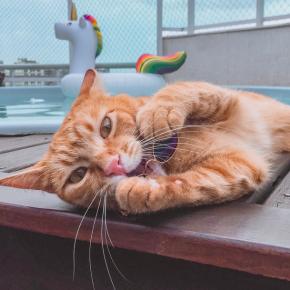
With summer upon us in Lanarkshire, it’s important for cat owners to take steps to ensure their feline friend stays safe in the heat.
Our vet team at Avenues Vets have created this article on summer safety checks, plus a downloadable guide on common summer first aid situations & tips for you to share with other cat owners, helping to keep all cats in Lanarkshire safe this summer.
Download our Summer Cat First Aid Tips
10 Summer Safety Checks for your Cat
- Keep your cat cool: Cats can suffer from heatstroke, so make sure they have access to cool, shaded areas and plenty of fresh water to drink.
- Provide a litter box: Cats may spend more time indoors during hot weather, so make sure they have access to a clean litter box at all times.
- Keep your cat indoors during the hottest parts of the day: If you can, keep your cat indoors during the hottest parts of the day, especially if they are an older or indoor-only cat. If they really want to go outside though, they should, but for shorter periods.
- Regular grooming: Regular grooming can help to keep your cat cool and prevent hairballs. Consider brushing your cat more often during the summer months to cool them down.
- Watch out for fleas and ticks: Fleas and ticks are more active during the summer so make sure your cat is up to date on flea and tick prevention. Contact us at Avenues Vets for more help with flea and tick treatments or browse our website for more information on this topic.
- Provide plenty of entertainment: Cats may be less active during the summer so provide plenty of toys and activities to encourage them to move more.
- Keep harmful substances out of reach: In summer, many household items, such as sun cream and insect repellent, can be harmful to cats if ingested. Make sure to keep these items out of reach. Contact us immediately if you suspect your cat has ingested any of these substances.
- Watch out for poisonous plants: Some common garden plants, such as lilies and foxgloves, can be toxic to cats if ingested. Make sure to keep these plants out of your cat’s reach. Contact us immediately if you suspect your cat has ingested any of these plants. Check out our Summer First Aid Tips downloadable guide that covers poisons.
- Watch out for open windows: Cats love to sit in the sun by open windows but make sure that bug screens are secure to prevent your cat from falling out when relaxed!
- Regular check-ups: Regular check-ups with one of our vets can help to ensure that your cat stays healthy and happy throughout the summer months. Contact us at Avenues Vets to book your cat in for a health check-up this summer.
Why not share this article on your socials AND download and share our Summer Cat First Aid Tips with other cat owners? They’ll be happy you did!

Cats bring joy and companionship to millions of people around the world. One of their favourite activities is to lay out in the sun or on a sunny window ledge. However, during hot weather, cats can be susceptible to heatstroke, a condition that can be life-threatening if not treated promptly. In this article created by Vet Nicola, we’ll discuss how to prevent heatstroke in cats and the signs to look out for.
Top Tips for Keeping Cats Safe this Summer
Keep your cat indoors
Although we may not get as much warm weather as we perhaps desire in Lanarkshire, when it does heat up it’s best to keep your cat indoors in a cool and well-ventilated room. This will help prevent them from overheating and keep them safe from outdoor hazards such as cars, predators, and toxic plants. If your cat is an outdoors wanderer, try to encourage them back indoors as often as possible.
Provide plenty of water
Make sure your cat has access to clean and fresh water at all times. Nicola suggests placing multiple water bowls throughout your home, especially in cooler areas like the bathroom. You can also add ice cubes to their water to keep it cool. You may want to place a bowl or two outdoors as well if your cat does like to venture out.
Provide a cool environment
Ensure that your cat’s environment is cool and well-ventilated. Use fans or air conditioning to keep the air circulating and the temperature comfortable. You can also provide cool surfaces for your cat to lie on, such as a tile or marble floor.
Avoid exercise during the hottest parts of the day
Avoid exercising your cat during the hottest parts of the day, such as midday when the sun is at its peak. Instead, exercise your cat in the early morning or late evening when the temperature is cooler.
Groom your cat regularly
Regular grooming can help prevent heatstroke by removing excess fur that can trap heat and make your cat uncomfortable. Brush your cat daily to remove loose fur and matting.
Signs of heatstroke in cats
If your cat is exhibiting any of the following signs, they may be experiencing heatstroke and require immediate attention. Call Avenues Vets on 0141 643 0404 to speak to one of our vets in Glasgow.
- Excessive panting or drooling
- Rapid heart rate
- Reddened gums or tongue
- Lethargy or weakness
- Vomiting or diarrhoea
- Confusion or disorientation
- Seizures or collapse
If you suspect that your cat is experiencing heatstroke, contact your vet for advice immediately. In the meantime, try to cool your cat down by providing them with cool water to drink, wetting their fur with tepid (not cold) water, and placing them in front of a fan.
Nicola says that following these simple tips and knowing the signs to look out for can help keep your cat safe and comfortable during hot weather. Remember to always provide plenty of water, keep your cat cool, and seek veterinary attention if you suspect your cat is experiencing heatstroke.
Use the button below to book your own cat’s summer health check and don’t forget to share this article with other cat owners.

As owners you can sense when your pet is feeling unwell and witnessing them vomit is an unpleasant experience. Seeing their sad face and hunched over posture can be a worry, but how do you know when it’s an indication of something serious?
Vomiting is a common occurrence in cats and dogs, and the good news is that most of the time the sickness will pass over the course of 24 hours without any medical treatment. However, occasionally it can be the start of something more dangerous, depending on the situation.
Our experienced team at Avenues Vets in Lanarkshire have put together a helpful guide on this topic, highlighting some of the common reasons for vomiting, how to care for your pet when they are feeling sick and when you need to contact the vet.
Contact us if your pet is unwell
The dangers of everyday items
As veterinary professionals, the first thing we associate with vomiting pets is puppies and kittens. Young animals are the number one culprit for sicky symptoms, and this is because their curious behaviour means they like to chew everything they can get their paws on.
According to Vet Nicola Armstrong, common items that puppies and kittens chew and sometimes swallow include:
- Toys
- Socks
- Shoes
- Sticks
- Blankets
- String or ribbon
- Hairbands
- Underwear
- Items from the rubbish bin
Luckily, in most cases this activity doesn’t cause damage, but sometimes these ‘foreign bodies’ can aggravate the digestive system, or even cause toxicity or an obstruction. Unsurprisingly, one of the first symptoms of stomach irritation is vomiting, and this happens as the body tries to reject and push out the unfamiliar substance or item.
Common causes of vomiting
Another common reason for your cat or dog vomiting may be that they are eating their food so quickly that they bring it back up undigested. This is regurgitation rather than true vomiting and is often behavioural and most prevalent in puppies. Sometimes cats will regurgitate to bring up hairballs. Neither of these symptoms are serious unless they become frequent; please call our Woodside Avenue team on 0141 643 0404 if you suspect your pet is regurgitating and we will happily advise you on how best to prevent it.
Vomiting can also be a sign of a serious underlying condition such as kidney disease or pancreatitis, so further investigations may be needed. Other reasons your pet may be vomiting include:
- Gastroenteritis
- Food allergies
- Travel sickness
- Worms
- A change in diet
- A reaction to a medication
- An infectious disease
- Ingesting something poisonous
When to call the vets if your pet has vomited
Nicola explains that for most one-off cases of vomiting, emergency veterinary treatment is not required, and the symptoms will pass through in a few hours. There are situations that warrant emergency help and can be serious if left untreated. You should call us immediately if your pet experiences any of the following:
- Vomiting often and frequently, for example, more than once in 24 hours
- Unproductive vomiting – where nothing comes up or frequent retching
- Your pet is vomiting and is very young or very old and therefore more vulnerable
- Your pet has other serious diagnosed conditions such as diabetes or kidney disease
- Your pet has a bloated and/or tender tummy
- The vomit is a red/brown colour or contains specks of red, indicating blood
- Your female dog is vomiting and is pregnant and/or has vaginal discharge
- The vomiting is accompanied by diarrhoea
- Your pet is wobbly or unsteady on its feet
- Your pet collapses or seizures
It is important to stress that if you think your pet has eaten something poisonous or toxic, even if they have not vomited, do not wait until your pet shows symptoms, call us immediately on 0141 643 0404.
See our emergency care details
How to care for your pet when they are sick
If your pet has been or is about to be sick, they will likely feel nauseous. Signs may include:
- Salivating or dribbling
- Licking lips
- Shying away from food
- A hunched posture
- Restlessness and pacing around (dogs)
- Sitting still with eyes closed or half closed (cats)
- Being ‘clingy’ and not wanting to leave your side
- Hiding away
- Eating grass (dogs)
Here are some tips on how to best care for your pet if you notice these signs:
- Ensure they have calm, safe, quiet surroundings so they can rest
- Keep warm and comfortable
- Offer them small amounts of fresh drinking water but do not force them to eat or drink
- Do not walk or exercise them for 24 hours except to go to the toilet
- If vomiting has stopped and they seem brighter it is safe to offer them a small amount of bland food such as plain boiled chicken, however it is best to call us first for feeding advice
If you are unsure of what to do if your pet is vomiting and unwell, please call the Avenues Vets team on 0141 643 0404 and we will advise you on the best course of action.

Thinking about adopting a cat? There are plenty of them in rescue centres around the Lanarkshire area looking for good homes, and cats are ideal for pet lovers who don’t have the time to devote to the more demanding needs of a dog.
But what do you need to think about when bringing a new addition into your home? Our cat-loving team have put together some top tips below.
Why not share your adoption experiences with our many followers on Facebook?
Share your adoption experiences
Things to consider when adopting a cat
A consideration when adopting a cat may be their age. There are many older cats that often get overlooked in rescue centres because they are not kittens or younger cats. This sadly means they are more likely to spend a longer time in rescue centres. Older cats can be just as loving as younger ones and often come with less challenges in terms of toilet training.
If you are considering adopting a cat, there are many centres that have cats available such as the RSPCA and the Cats Protection League, as well as local pet rescue centres in Lanarkshire.
Behavioural issues
Just like adopting any animal, it is important to be aware of any potential behavioural or medical issues. In case of dementia, look out for:
- Disorientation
- Anxiety
- Irritability
- Avoiding social interaction
- Increased meowing
Introducing an older cat into your home
The nursing team at our Glasgow surgery have lots of experience and advice when it comes to caring for older cats. If after reading this advice you have questions, don’t hesitate to get in touch.
Plan ahead
When introducing a senior or geriatric cat into your home it is important to plan ahead, especially if you have another cat in the household. Introduce them slowly by keeping the new cat restricted to one room at first, and gradually allow them more contact with your current cat.
You can swap bedding, so they learn the smell of each other, but monitor them closely for any signs of stress such as restlessness, or changes in toileting or eating.
Contact our Glasgow team for more advice on how to introduce a new cat into your home.
Their environment
When introducing a geriatric cat, you want to ensure the environment suits their needs. You can do this by having soft, low sided beds in areas they can easily access without climbing or jumping. Make sure there are plenty of food/water bowls around, and litter trays with low sides.
Top tip from The Avenues Vets’ Head Nurse: You should have a litter tray and food/water bowls per cat and on each level of your home to avoid fighting and to aid mobility.
Older cats are less likely to use scratching posts to express their emotions and mark their scent, but horizontal scratching surfaces are likely to do the job just as well!
Health check-ups
With older cats it is important to have regular check-ups to ensure they are healthy. Older cats can suffer with kidney disease and arthritis so monitoring for signs of these is important.
They may also require regular grooming and nail trims, as older cats tend stop grooming themselves regularly and often struggle to shed their nails – these can get long and may grow into pads if not trimmed.
Remember to also keep on top of parasite control!
It’s wise to bring your new cat in for a senior health check – give us a call on 0141 643 0404.
The rewards
All that said, the majority of ‘senior cat issues’ can be easily treated and managed, so it’s still worthwhile considering giving an older cat a loving home. Older cats can be incredibly affectionate and rewarding to adopt and can be a lot of fun too!
Have you opened your home to an older cat? Why not share your experiences on our Facebook page and let other people know how rewarding it can be?
Share your experiences on our Facebook page
If you’d like further advice on adopting a cat, please don’t hesitate to contact us and we’ll be happy to chat.

Fleas can cause a host of health issues for your cat and the rest of your family. With Spring around the corner, cat owners in Glasgow will see the start of the 2023 flea season soon. So, Linsey our head nurse thought it would be a good time to focus on what cat owners need to know about fleas. Top of the list is to ensure your cat’s own flea protection is in place. If you’re not sure, then give us a quick call and we can tell you your cat’s status.
Call to see if your cat is protected
How to prevent cat fleas
Apart from ensuring your cat’s flea protection is up to date, here are four tips that Linsey suggests you follow to prevent or treat a cat flea infestation.
1. Protect – Ensure all your pets are protected
Cats can catch fleas from other pets in your house, from neighboring pets, other animals in the wild, or even you as fleas can cling onto your clothing! So, making sure all pets in your household have protection with a vet recommended flea treatment is vital.
2. Wash – Wash your pet’s bedding
Fleas love warm places like a cat’s bedding. Regularly wash bedding on a 60–70-degree cycle with a specialist pet bedding wash. Why not ask a question to our Facebook community to see what’s worked for other cat owners?
3. Hoover – Keep your house spotless
Once fleas are in the house, they can be tough to get rid of. Whether you’re looking to help prevent fleas appearing in the first place or remove an established infestation, regular hoovering of the house is essential. Environmental treatments are also available, please ask our team for advice.
4. Check – Check your cat regularly for fleas
Knowing what to look out for is an essential part of catching fleas early. One of the most obvious signs of an infestation is intense itching and scratching, which can lead to hair loss and irritated skin. Otherwise, part your cat’s fur so you can see the skin and look for flea droppings – tiny, black spots in your cat’s fur (mainly dried blood).
Why you need to be vigilant for fleas
As well as being irritating for your cat, and everyone else in the house, a flea infestation can cause anaemia in your cat and provoke allergic skin reactions too. Many people don’t even realise their cat has fleas. A 2018 survey of 300 vet practices treating 1,400 cats and dogs found that over 28% of cats had fleas and 8% had a skin condition caused by a long-term infestation.
That’s why you should check your cat for fleas and ensure their protection is up to date.
If you need information or advice, give our team a quick call and we can tell you the vet-recommended flea treatments we use and make sure your cat is fully protected.

It’s a sad fact that four out of five cats in the Lanarkshire area will likely have gum disease by the age of three. Which means that if you have a cat, you should act now to give them the best possible chance of getting into the 20% that have no oral issues. If you’re not sure whether your cat has had a dental check-up in the last 12 months, then we recommend you book an appointment as soon as possible.
According to The Avenues Vets’ Vet Nicola Armstrong, it is important to catch dental problems early because advanced dental disease is unpleasant for your cat and can lead to other health issues. As it’s pet dental health month, we’re sharing a few simple steps you can take to prevent problems from arising and give yourself peace of mind.
How to protect your cat’s teeth between vet checks
1. Check your cat’s teeth regularly
You should examine your cat’s teeth regularly. Get them used to being checked and you’ll minimise the chances of being bitten or clawed. Nicola advises that you check for:
- Painful, red, swollen or bleeding gums
- Gums that have receded
- Lumps on the gums
- Yellow material on the teeth (plaque)
- Hard, brown material between the gums and the base of the teeth (tartar)
- Loose, broken, or missing teeth
2. Learn the signs of early dental problems in cats
Always keep a careful eye on your cat’s behaviour and look out for the early signs of dental problems:
- Bad breath
- Reduced appetite
- Discomfort when eating
- Weight loss
- Poor coat condition
- Pawing at the mouth
- Drooling
3. Prevention of cat teeth problems
As with oral health in humans, we all know that prevention is better than cure. Here’s what Nicola recommends you should be doing on a regular basis:
- Brush your cat’s teeth – If you’ve never done this before then pop into our Woodside Avenue surgery and one of our friendly vet nurses will show you how.
- Pay attention to your cat’s diet – Special dental diets are available for cats with oral issues.
- Consider using dental treats and chews – Ask our team for tips on tried & tested products.
If you need any help or advice, or would like us to check your cat’s teeth, book a dental check-up online or give us a call on 0141 643 0404.
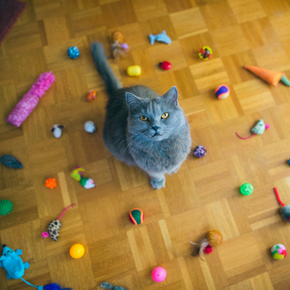
Environmental enrichment is essential for a happy, healthy cat – it means providing stimulating activities and surroundings that encourage positive behaviour. This is especially important for when you’re working or out for the day.
The Avenues Vets’ team have put together some practical advice for Lanarkshire cat owners on how to keep cats busy and content.
If, after reading our article you would like more advice on cat enrichment toys, or on how to introduce a new cat into your home, our veterinary nursing team will be happy to help.
Why is environment so important?
According to our vet Nicola Armstrong, an uninteresting living space can be a cause of destructive or aggressive behaviour in cats, and they could become depressed and anxious. Spending hours alone can exacerbate things, which isn’t ideal if you need to work or leave the house for a while.
If your cat is acting oddly but doesn’t seem sick, they might not be getting the stimulation they need.
Signs of an under-stimulated cat
Keep an eye out for boredom-related or stress-relieving behaviours, such as:
- Over-grooming
- Chewing inappropriate items
- Picking on other pets
- Retreating into isolation
- Overeating
- Compulsive behaviour
- Loss of appetite
- Spraying
- Yowling
- A change in attitude and behaviour to you such as becoming more reclusive
Of course, some of these behaviours might be related to illness – so if in doubt, book a check-up for your cat with Nicola or any of our vets – contact us to book.
Ways to enrich your cat’s environment
Nicola has consulted with the rest of our Woodside Avenue veterinary team, and here are their top ideas for enriching a cat’s environment:
- Tunnels: Cats love to hide and pounce in crinkly tunnels. To keep costs down, you could make your own from cardboard boxes and wrapping paper.
- Places to hide: Curling up in a small space calms your cat. Safe hiding places include boxes, drawers, and laundry baskets. Beware of dangerous spaces though, such as washing machines and behind electrical appliances.
- Things to climb: Being high up lets cats survey their territory, making them feel safe. Climbing is also great exercise. Distract them from climbing curtains or unstable furniture by providing a multi-perched cat tree or ensuring that bookshelves, wardrobes, and windowsills can be reached safely. You could also check out YouTube for some very creative DIY cat gyms!
- Outside playtime and exploration: Most cats love discovering the outside world. If you’re uncomfortable with letting your cat roam freely out there, why not create a safe enclosure in your garden so they can feel the breeze in their fur?
- Companionship: Some cats are more social than others but, if they seem lonely, considering getting them a feline friend. For tips on how to introduce a new cat into your home, book a chat with one of our friendly nurses – contact us.
- Stimulating games & toys: Make time for playtime when you are at home to entertain your cat and help them channel any predatory behaviour. You can also get a range of boredom-busting games and toys from most pet shops in or near Glasgow, and some online retailers. If you have one of those pet surveillance cameras, you might see your cat playing with these toys and having fun when you’re not around! Not sure what’s suitable? Ask us about cat enrichment toys.
- Digital games: Have you heard about or tried any digital games for cats? Available on Apple and Android devices, there are games available with crawling insects, fish, and flying birds on the screen that will keep cats engaged and entertained for hours!
We hope you found our team’s advice helpful; hopefully you’re putting some of it into action already.
If you have any tried & tested tips that you’d like to share with other cat owners in Lanarkshire, you can always share them on our Facebook page.
And remember, you can always ask our nurses here at Avenues Vets for advice about improving your cat’s behaviour. Let’s make it a fantastic year for you both!

Cats are a very intelligent species but just like us can suffer with stress. Like humans some are more prone to stress then others and their ways of adapting and learning to manage their stress is very different. The Avenues Vets’ cat-loving team at our Woodside Avenue practice have put together a guide on cat stress for you.
According to International Cat Care there is some research that suggests stress development starts before a kitten is even born depending on how stressed the mother is whilst pregnant or if they receive poor nutrition their litter is more prone to developing stress and non-adaptive coping strategies.
Signs your cat may be feeling stressed
- Hiding more
- Changes in behaviour
- Over-grooming
- Urine spraying
- Toileting in unusual places
- Lack of interest in play
- Inhibition of eating
Causes for stress in cats
There are many causes for stress in cats and for each cat it will be different, some examples of these include:
- Changes in their home environment
- Changes in routine
- New pets in the home or the local area
- New family members
- Changes in food or where their water bowls are placed
- Changes in litter tray substrates
Things you can do
If you are concerned your cat may be feeling stressed there are a few things, you can do to help them feel better.
Vet Nicola Armstrong encourages cat owners to look at first, can you identify the cause of stress, and can it be removed? For example, a piece of new furniture of if their litter tray has been moved can it be moved back? If it can’t be removed then what can you do to help, if it’s a new family member or pet can you introduce them very slowly, make sure they have access to plenty of food and water bowls throughout the house, so they do not feel restricted in getting access without passing that new pet. The use of Pheromone plug ins can also be very beneficial for helping to give your cat a sense of relief
If you feel your cat is struggling with stress, then speak to The Avenues Vets’ nursing team about what may be causing the stress and different ways in which you can help manage it.

Christmas is a joyous time of year filled with fun and family gatherings, however, festive presents, decorations, and food can often prove to be dangerous for our inquisitive companions. Read Vet Nicola’s guide below to find out more about common Christmas dangers that our cats and dogs can encounter.
Unfortunately, lots of our loved products we indulge in over the Christmas period are poisonous for our cats and dogs. Nicola explains this a bit further – poisons are any chemical substance that causes harm when ingested by damaging cells, shutting down organs, and even causing death. Here is a list of the most common poisons for our pets over Christmas.
Download our essential oils and pets infographic
Nicola’s Christmas danger list:
Human Food
One of the big Christmas killers of pets is food, according to Nicola. Popular treats can be toxic to pets, including:
- Chocolate
- Grapes, raisins, currants, sultanas and anything with them in I.e., mince pies and Christmas pudding or cake
- Alliums such as onions, garlic, and leeks
- Alcohol
Beware of foods such as gravy and leftovers which can contain these fatal ingredients. On top of this, fatty foods can cause gastrointestinal upsets such as vomiting or diarrhoea, and foods high in sugar, salt, and spice can cause health problems too.
Christmas Plants
If you’re planning on having a kiss under the mistletoe this Christmas, make sure it’s out of your pet’s reach! Plants such as mistletoe and holly are poisonous when ingested and Christmas tree needles are very spiky so will be particularly dangerous when swallowed. Also, plants such as ivy and poinsettia are dangerous, and potpourri can clog up their throats when ingested, so keep them out of reach too.
Decorations
From baubles, ribbon, wrapping paper, and tinsel to tree lights, batteries for gifts, and fake snow; Christmas brings lots of new furnishings which may excite our furry friends. If any of these objects are ingested by your pet, Nicola advises pet owners to call our Woodside Avenue vet practice straight away on 0141 643 0404 as materials can get lodged or cause burns or discomfort.
Household products and medication
It is always useful to know that cleaning products and any pills left lying around will most likely be toxic for pets. Antifreeze is highly toxic to cats and dogs. Be careful of anything lying around the house during the festive season. Call us immediately on 0141 643 0404 if your cat or dog has swallowed anything or has any substances on their fur or skin.
Essential oils
Whether you use these yourself via candles, diffusers, oil burners, or out of the bottle, or you have bought one as a present, be aware that many essential oils are poisonous to pets, especially cats. Google the oil before using it and keep it well out of your pet’s reach if necessary. Some oils can cause harm through inhalation or absorption through the skin too.
Learn more about essential oils and pets in our downloadable infographic.
Keep in mind that Nicola’s list above is not exhaustive and only outlines the most common household dangers for cats and dogs. If your pet has ingested or come into close contact with any of the hazards above, or anything else you are concerned about, contact our vets immediately.


