
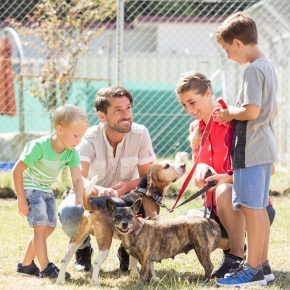
Welcoming a new pet into your home is an exciting and rewarding experience. Whether you’re considering a dog, cat, or a smaller pet, finding the perfect companion requires careful consideration and observation. In this guide from Avenues Vets, we’ll explore the positive traits to look for in a new pet to ensure a happy and harmonious relationship for years to come.
Our veterinary team in Glasgow can’t wait to meet your new bundle of joy! Register them with us and book their first appointment for unrivalled pet care from day one.
What to consider when choosing a new pet
Compatibility with your lifestyle & costs
When choosing a new pet, our Glasgow vets and nurses stress the importance of compatibility with your lifestyle. Factors such as species, size, energy levels, grooming needs, and nutrition should align with your routine for a seamless fit. Remember, pets for children often become parental responsibilities. Consider all costs, including healthcare, housing, and insurance. Plus, how would a new pet fit in with any current pets? Our team are here to discuss the care needs of different pet species before you commit – reach out.
Where to get a new pet from
From dogs, cats, rabbits, small furies and even exotic pets, there’s an abundance of loveable pets just waiting to be adopted in Glasgow and beyond. Professional rescue centres typically conduct home checks to ensure ideal pet-owner matches. Alternatively, opt for reputable breeders showcasing both mother & offspring in a caring environment and enquire about medical history and upbringing practices. Be cautious of breeders unwilling to provide necessary information – a red flag. Buying a small furry or an exotic pet from a pet shop? Check the shop’s reputation online and look for cleanliness and good practices in-store before you buy from them.
What to lookout for in a new pet
- Confidence & Sociability: A confident and sociable pet adapts well, interacts positively, and enjoys a fulfilling life. Look for curiosity, friendliness, and ease of interaction when choosing. Temperament and behaviour issues are crucial considerations.
- Good Health & Vitality: Our vets in Glasgow recommend that you assess potential pets for health & vitality. Look for clear eyes, a shiny coat, and a healthy weight. Check for signs of alertness, energy, and enthusiasm. Ask about medical history and vaccinations too.
- Healthy Parents & Genetics: Consider the health and genetics of the pet’s parents, as they significantly influence the pet’s future wellbeing. Responsible breeders provide information about lineage and health screenings, ensuring a strong foundation for the pet’s health.
- Responsiveness to Training & Handling: Observe how they respond to training and handling during interactions. Look for signs of attentiveness and eagerness to learn. A pet who responds positively to training and handling is easier to bond with, teach new skills, and integrate into your life.
Finding the perfect pet requires a thoughtful assessment of various factors, so, take your time, do your research, and trust your instincts. And, we’re here to help if you’d like more advice – just get in touch!
Register and book your pet’s first appointment with us right away.
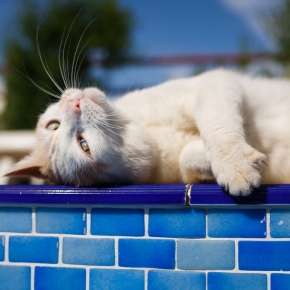
The purrrfect scenario for your cat’s summer holiday (the one they have when you go on yours) is a live-in butler taking care of their every need, while they nibble on a tuna platter and bask in the sunshine… #CatGoals
The more likely scenario is for a friend or family member to stay at your house or a neighbour who will pop in a few times a day. If you don’t have anyone to do this, a professional pet sitter in Lanarkshire is another option.
To get the best holiday cat care and limit changes that could unsettle your feline friend, we surveyed a number of cats (may have been cat owners) in Glasgow to find out what they really want from a pet sitter.
Before you go away, it’s wise to book a health check for your cat to ensure they’re ready for ‘their’ vacation.
Book a pre-holiday cat check-up
What your cat really wants from a pet sitter
According to our Glasgow veterinary team’s findings, here are the seven top things your cat would benefit from when you’re away:
- Usual Meal Times (or as close as possible): This is so your cat knows when to arrive (probably from upstairs) for food. Keeping to their normal routine will reduce potential stress and encourage wanderers to come home at their normal hour.
- A Bowl of Tap Water or Rainwater: A fresh supply of your cat’s drink of choice is a must.
- Litter Trays Cleaned Daily: Especially important in warm weather to avoid flies laying eggs.
- Companionship & Cuddles: These can calm your cat when their favourite humans are away.
- Kitty Playtime: Let the sitter know what your cat likes to play with, and how, to keep your cat active and mentally stimulated.
- Wellbeing Checks: Did your cat come home for their evening meal? Do they have any obvious signs of discomfort or illness? Do they have a chunk missing from their tail following a cat fight – we’ve seen this many times… Your pet sitter can call us if they are concerned on 0141 643 0404.
- Vet Care: Give your sitter any current medication and instructions, as well as the details of our vet practice just in case a ‘cat-astrophe’ should occur!
If you don’t have anyone close you can ask to look after your cat while you’re away, you might be wondering how to choose a responsible pet sitter in Lanarkshire? Your cat is most likely the centre of your universe, so you’ll feel better while you’re away if you know that someone trustworthy and knowledgeable is taking care of their needs. Our Glasgow team recommend checking:
- References: Can they provide contact details for other pet owners they have worked with?
- Knowledge: The sitter should be able to spot signs of ill health and be aware of any specific issues. If your cat needs regular medication, they should be capable of administering it.
- Quality Time: The person should be willing to offer adequate companionship.
- Insurance: If your pet sitter is a professional, they should be insured so check their documents.
Feel free to call us on 0141 643 0404 if you would like any further advice about ensuring the best holiday care for your cat’s needs, and wants!
And remember to book a cat health check before you go away.
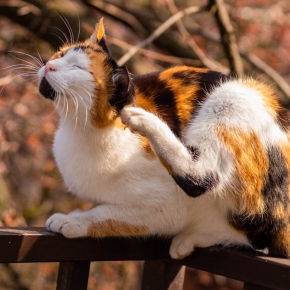
As pet owners, we strive to provide the best possible care for our feline friends, but sometimes even the most diligent cat parents may overlook one common issue: fleas. These tiny parasites can quickly become a nuisance for both cats and their human companions. In this article from the veterinary team at Avenues Vets, we’ll explore the signs that your cat may have fleas and what you can do to help keep them comfortable and flea-free.
Order your cat’s flea treatment
Five signs your cat may have fleas
- Excessive scratching and grooming: According to veterinary surgeon Nicola Armstrong, one of the most common signs of a flea infestation in cats is excessive scratching, biting, or licking of the skin. If you notice your cat constantly grooming themselves or scratching at certain areas of their body, particularly around the neck, head, or base of the tail, it could be a sign that fleas are present.
- Visible fleas or flea dirt: Fleas are small, fast-moving insects that can be challenging to spot, especially in cats with dense fur. However, you may be able to detect them by parting your cat’s fur and looking for tiny, dark brown insects crawling close to the skin. Additionally, you may notice small dark specks, known as flea dirt, on your cat’s fur or bedding. Flea dirt is actually flea faeces composed of digested blood and is a telltale sign of flea infestation. Ask the team at our Glasgow vet practice about the best type of flea comb to help you with this task.
- Skin irritation and redness: Flea bites can cause irritation and even allergic reactions in some cats, leading to redness, inflammation, and even hair loss in severe cases. If you notice any signs of skin irritation or dermatitis in your cat, Nicola advises that you should consider fleas as a potential cause.
- Restlessness and irritability: Cats with fleas may exhibit signs of restlessness, irritability, or discomfort, especially if the infestation is severe. They may be more agitated than usual and may have difficulty relaxing or sleeping peacefully.
- Presence of tapeworms: Fleas can transmit tapeworm eggs to cats, leading to the development of tapeworm infections. If you notice small, rice-like segments around your cat’s bottom or in their faeces, it could indicate a tapeworm infestation secondary to flea exposure.
Order flea treatment from us
Nicola recommends that if you suspect your cat has fleas, you should take action promptly to address the infestation and provide relief for your furry friend. Order vet recommended prescription-only flea treatment from Avenues Vets to help eliminate fleas from your cat’s environment and prevent future infestations. We offer a variety of safe and effective flea control products designed specifically for cats.
Nicola and the rest of our experienced veterinary team can provide personalised recommendations for flea treatment based on your cat’s individual needs and lifestyle.
Don’t let fleas disrupt your cat’s life, order flea treatment from us today. If you have any questions or concerns about fleas or flea control, don’t hesitate to contact our friendly team.
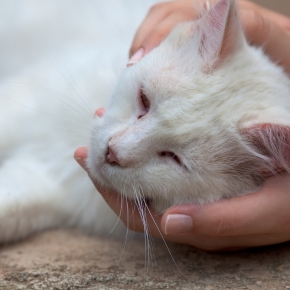
As responsible cat owners, it’s crucial to stay informed about potential health threats that could impact our feline companions. One such concern is Feline Leukaemia Virus (FeLV), a serious and contagious disease that can affect cats of all ages. In this article, our Vet Nicola Armstrong explores essential facts about cat leukaemia, discusses common symptoms, and emphasises the importance of prevention through vaccination. To ensure your cat’s wellbeing, we encourage you to take the proactive step of booking a cat vaccination appointment with our veterinary practice in Glasgow.
Facts about Feline Leukaemia:
What is Feline Leukaemia? Vet Nicola gets asked this question by many cat owners and so is sharing these facts below.
- Viral Infection: Feline Leukaemia Virus is a retrovirus that can affect cats worldwide. It primarily spreads through close contact with an infected cat, such as mutual grooming, shared food and water bowls, or bite wounds.
- Highly Contagious: FeLV is highly contagious among cats, making it crucial for owners of multiple cats or those whose cats interact with outdoor felines in and around Lanarkshire to be especially vigilant.
- Various Strains: FeLV comes in different strains, each affecting cats differently. Some cats may effectively fight off the infection and become immune, while others may succumb to the disease.
Common symptoms of Cat Leukaemia:
- Lethargy: Cats infected with FeLV often exhibit increased fatigue and a lack of interest in activities they once enjoyed.
- Weight Loss: Unexplained weight loss can be a sign of various health issues, including FeLV. Nicola advises to monitor your cat’s weight and contact us if you notice significant changes.
- Recurrent & Secondary Infections: FeLV suppresses the cat’s immune system. Cats with FeLV may experience frequent respiratory or gastrointestinal infections. They are also more susceptible to secondary infections and diseases such as leukaemia (cancer of the white blood cells), lymphoma, and anaemia.
- Swollen Lymph Nodes: Enlarged lymph nodes are a common symptom of FeLV. If you notice any unusual lumps or bumps on your cat, Nicola stresses that you should contact us as soon as possible.
- Pale Gums and Mucous Membranes: FeLV can cause anaemia, leading to pale gums and mucous membranes. Our cat vets in Glasgow can perform blood tests to check for anaemia and assess overall health.
Prognosis, treatment & management:
Feline leukaemia virus (FeLV) is potentially life-threatening. Nicola explains that the prognosis for a cat diagnosed with feline leukaemia can vary depending on several factors, including the cat’s overall health, age, immune system status, and any concurrent medical conditions.
Cats can be classified into three main categories based on their FeLV infection status:
- FeLV Negative (no infection): Cats testing negative for FeLV typically have a good prognosis, as they are not infected with the virus.
- FeLV Positive (persistent infection): Cats testing positive for FeLV are infected with the virus. The prognosis for FeLV-positive cats varies depending on the stage of infection and the presence of associated health problems.
- FeLV Exposure (transient infection): Some cats may initially test positive for FeLV due to exposure to the virus but may clear the infection over time. These cats may have a better prognosis compared to persistently infected cats.
Sadly, while there is no cure for FeLV, Nicola wants owners to know that supportive care and management can help improve the quality of life and extend survival in affected cats. This may include addressing secondary infections with antibiotics, managing symptoms such as anaemia or dehydration, providing a balanced diet, and minimising stressors. Regular veterinary check-ups at Avenues Vets are essential for monitoring health and so your vet can adjust treatment as needed.
Preventing Cat Leukaemia:
- Vaccination: Vaccination is by far the most effective way to prevent Feline Leukaemia Virus. Our veterinary practice in Glasgow offers safe and reliable vaccines that can significantly reduce the risk of infection. Book a cat vaccination appointment to ensure your feline friend is protected.
- Testing and Isolation: If you’re introducing a new cat to your household or have concerns about an outdoor cat’s health, it’s essential to conduct Feline Leukaemia testing and isolate any infected cats to prevent the spread of the virus. Contact Avenues Vets for more information.
- Indoor Living: Keeping your cat indoors can significantly reduce their exposure to potential sources of infection in Lanarkshire. If your cat enjoys the outdoors, you might want to consider creating a secure and enclosed outdoor space.
- Regular Veterinary Check-ups: Routine examinations allow our vets to monitor your cat’s health and detect any potential issues early on so be sure to schedule regular check-ups.
Book a Cat Vaccination appointment:
To ensure your cat’s protection against Feline Leukaemia Virus, Avenues Vets strongly recommends booking a cat vaccination appointment at our Woodside Avenue veterinary practice. Our experienced team are dedicated to providing the best care for your feline friends, and vaccinations play a crucial role in preventing and managing infectious diseases.
Don’t wait until it’s too late – take the proactive step of safeguarding your cat’s health.
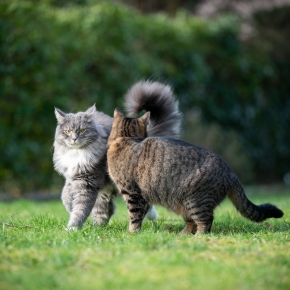
Cat owners cherish the companionship and love their feline friends bring into their lives. However, with the joy of having a cat comes the responsibility of ensuring their wellbeing and contributing to the welfare of the feline community.
One of the most responsible choices cat owners in Lanarkshire can make is to opt for neutering their cats. In this article, the team at Avenues Vets will explore why and how it benefits both individual cats and the larger feline population.
Cat neutering – why it’s the responsible choice
1. Preventing unplanned litters & curbing overpopulation
Perhaps the most compelling reason to neuter your cat is to prevent unplanned litters of kittens, not just for your home, but for the wider cat population. Cats are prolific breeders, and one unspayed female cat and her offspring can produce hundreds of kittens in just a few years. Overpopulation is a serious issue in the cat world and so by neutering your cat, you are actively contributing to controlling the feline population and reducing the number of homeless kittens in and around Lanarkshire.
2. Promoting health and longevity
According to Vet Nicola Armstrong, cat neutering offers several health benefits. It significantly reduces the risk of uterine infections and certain cancers in females and eliminates the risk of testicular cancer in males. Neutered cats are also generally healthier and live longer lives.
3. Behavioural improvements
Neutering can lead to positive changes in a cat’s behaviour. Male cats tend to be less aggressive and territorial, while females are less likely to yowl or exhibit restlessness during their heat cycles. Neutered cats often make for more pleasant and well-adjusted pets.
4. Reducing roaming tendencies
Unneutered male cats have a strong instinct to roam in search of mates. Nicola wants owners to know that this behaviour puts them at risk of accidents, injuries, and encounters with other animals. Neutering can reduce this desire to roam, keeping your cat safer.
5. A more peaceful home
Unspayed female cats can exhibit vocalisations and behaviours that can be disruptive during their heat cycles. Neutering can create a more peaceful and harmonious living environment for both cats and their owners! If you have a multi-cat household, our team can advise you of more ways to keep the peace.
6. Responsible Ownership
Being a responsible pet owner means taking steps to ensure the health and wellbeing of your cat, as well as being considerate of the broader feline community. Neutering is a responsible choice that aligns with these principles.
The take-away message from our article is that neutering your cat is about more than controlling the feline population; it’s also about promoting the health, happiness, and longevity of your beloved pet. It’s a choice that reflects your commitment to responsible pet ownership and compassion for the welfare of cats in Lanarkshire and beyond. Thanks for reading!
If you found our article informative, why not share it with your cat-loving friends?
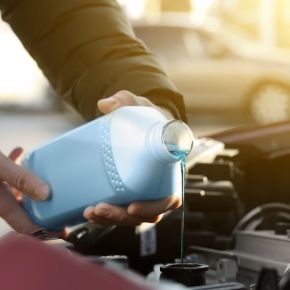
Antifreeze is something that most pet owners living in Lanarkshire will have around their house once it comes to winter. However, even the smallest amount can be highly dangerous for your cat. The primary danger comes from ethylene glycol which is toxic to cats.
This substance is highly dangerous for dogs too and can have the same affect.
If you even suspect your pet could have ingested antifreeze then contact Avenues Vets immediately on 0141 643 0404.
Why cats like to lick antifreeze
The reason antifreeze is so appealing to cats (and dogs) is the sugary taste. They tend to try and lick it off the driveway and once ingested, ethylene glycol is rapidly absorbed into their bloodstream. Once your cat’s liver metabolises the toxin, the by-products produced, which include oxalate crystals and acids, cause severe damage to the kidneys and other organs. Acute kidney failure in cats due to antifreeze poisoning, can be fatal and painful – prompt treatment is best to provide your pet with the best chance of recovery.
Call our team immediately on 0141 643 0404.
Symptoms of antifreeze poisoning in cats
All of the symptoms of antifreeze poisoning can occur within 24 – 72 hours of ingestion. Symptoms to look for include:
- Vomiting
- Diarrhoea
- Lethargy
- Loss of coordination
- Seizures
- Signs of kidney failure including increased thirst and urination
If your cat is admitted to Avenues Vets with suspected antifreeze poisoning, treatments can include induced vomiting, administering activated charcoal and providing intravenous fluids to support kidney function.
Protect your cat
To protect your cats (and dogs), be diligent about keeping antifreeze containers securely closed and stored out of reach. Clean up any spills immediately, and consider using antifreeze products that contain propylene glycol, which is less toxic but still not entirely safe if ingested in large quantities. Contact Avenues Vets immediately if you are concerned about your pet or if you know they have been exposed to antifreeze.
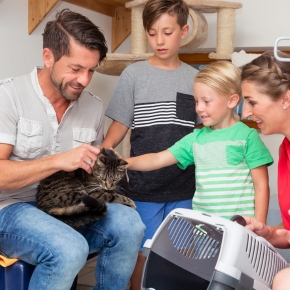
Adopting a cat from a rescue centre can be a wholesome way to introduce a new feline friend to your family. To help this process run smoothly, the team at Avenues Vets have put together advice on what you should be asking rescue centres during the adoption process.
Please remember, adopting a cat is a big responsibility that should not be taken on lightly. Avenues Vets urges owners to do plenty of research on cat care before making any big decisions.
The team at Avenues Vets are happy to answer any questions you may have about caring for a cat, just contact our team on 0141 643 0404.
What should I ask the rescue centre when adopting a cat?
Before heading to a rescue/rehoming centre, it’s important you sit down and gather some ideas as to what type of cat would be most suitable for your family. Research different breeds and their typical characteristics, as well as if there are any that are predisposed to certain medical conditions. Avenues Vets also recommends discussing your needs with the rescue centre staff. They know each of the cats in their care and want to ensure that they go to the correct home. Opening the discussion will help both you and the centre to match the perfect cat to your family.
1. Background information
Avenues Vets recommends asking what is known about the cat’s history and how they ended up at the rescue centre. This will give you valuable insight into their past experiences and whether they could have any behavioural or medical issues. It could also identify whether the cat is used to other cats, pets, or children.
2. Assessments for health and wellbeing
One of the benefits of rehoming a cat from a rescue centre is the fact they will have a full assessment done prior to any adoption process. This assessment will cover things like their behaviour and any potential or underlying health conditions that may need treating. This information will help you and your family make an informed decision when choosing your new cat.
3. Medical conditions and preventative care
Avenues Vets wants to urge new cat owners to research the benefits of vaccinations and neutering. Most rescue centres will have policies in place to protect the animals, which typically include having them neutered and vaccinated prior to rehoming. However, by understanding why this happens, it shows that you understand the practical side of pet ownership.
4. Training
Make sure you ask the rescue centre about your chosen cat’s training. Whether they are house trained and are happy being groomed and petted will make a big difference to the start of your journey together.
5. Special considerations for your chosen cat
Does your chosen feline require a certain type of living environment? Do they seem frightened of loud noises? Are they purely a house cat or do they need to roam?
Understanding what the cat needs before you go through the adoption process will help you to understand if your feline friend is the right fit for your home and family.
When it comes to rehoming cats, our knowledgeable team of cat vets are happy to advise you about how to care for your cat once you get them home, as well as what veterinary care they will need at this stage of their life. Contact us on 0141 643 0404 and don’t forget to register your new cat with Avenues Vets – we can’t wait to meet them!

Keeping our feline friends happy this winter can seem a little tricky. Our experienced cat loving vet Nicola Armstrong and the team at Avenues Vets have pulled together the best advice on all the things your cat needs to be happy in the colder months – keep reading below.
Nicola also has a bonus ‘Festive Happy Cat Guide’ for you to download! As well as winter weather related issues that can affect your cat’s mood, Christmas can be a time of hazards and stress for them too. Take a look at The Avenues Vets’ guide on:
How to keep your cat happy and safe at Christmas time
Top tips for keeping your cat happy this winter
Vet Nicola Armstrong wants owners to know that their cat’s behaviour may be affected once the weather starts to get colder. This often comes hand-in-hand with changes in routine which can leave your cat feeling a little down in the dumps. The 3 main aspects to provide are warmth, stimulation, and comfort. Nicola has sat down with the clinical team at Avenues Vets and collated their advice below – contact us on 0141 643 0404 if you would like to discuss your cat’s health and behaviour with us.
Ask us advice or book an appointment for your cat.
Providing warmth
Indoor temperature
Keep your house at a comfortable temperature and use a safe method of heating if leaving your cat unattended. Open fires and gas fires can be very dangerous for pets home alone.
Sunlight exposure
Letting in sunlight through the windows will improve your cat’s mood! Nicola often hears stories of how the windowsills of your home are your cat’s favourite napping spots!
Avoid cold draughts
If your cat has a resting spot, make sure they’re away from draughty areas. If there is a cold draught, try investing in a draught excluder or seal for your door/window to keep the heat in.
Providing stimulation
Indoor playtime
Invest in some toys for your cat that mimic prey movement to keep their brain active. Nicola emphasises the importance of making sure you put aside time to play with your cat this winter.
Engage their senses
Puzzle toys, scratching posts, and interactive feeders will help to keep your cat entertained.
Regular grooming
Making time to groom your cat over winter can help them feel pampered and act as a distraction to spending more time indoors. It also allows you to remove excess fur and debris to prevent matting and keep them happy.
Provide climbing spaces
Cats often defy gravity when it comes to climbing, so indoors it shouldn’t be any different! Nicola recommends installing high-up shelves near windows so they can watch the world go by from above!
Toy rotation
Rotating their toys will help to prevent boredom this winter.
Providing comfort
Cosy sleeping spots
In your cat’s usual sleeping spot, when temperatures drop think about adding in a soft blanket and maybe a heat pad. This will keep them toasty and happy.
Maintain litter box hygiene
You may need to increase your litter box cleaning routine if your cat is spending more time indoors. Make it clean and comfortable for them to help keep them healthy.
Along with the above, Vet Nicola Armstrong recommends ensuring your feline friend always has access to fresh water and monitoring their food intake over winter – you can ask our team about seasonal changes to nutrition needs for cats.
Plus, regular vet check-ups throughout the year will help to make sure they are not developing any underlying health conditions that could be more prevalent in the colder months. To book a winter health check with Avenues Vets, contact us on 0141 643 0404 or book online.
Share these top tips with other cat owners in Lanarkshire and don’t forget to download our Festive Happy Cat Guide too!

Here at Avenues Vets, we highly recommend booking your cat a pre-winter health check. To learn why, have a read of the article below from our Vet Nicola Armstrong.
How will a pre-winter health check benefit my cat?
With the dark nights, cold temperatures and seasonal festivities, winter can prove to be a stressful season for your cat. Cats with health issues and senior felines will feel the winter season more than their younger counterparts, however, identifying health issues ahead of the cold will help ensure your pet is prepared for the months ahead. Nicola advises that a pre-winter health check in autumn at Avenues Vets may cover the following:
Discuss your cat’s dietary changes
Spending more time indoors during the colder months will mean your cat needs to eat fewer calories to avoid gaining too much weight. As their activity levels have decreased, our experienced cat-loving nurses can help determine your cat’s winter feed dosages and our team will also recommend any changes they believe could benefit them.
Health review & annual vaccinations
Winter is the season when your cat will be more susceptible to viral infections. Nicola recommends that your cat is kept up-to-date with their cat flu immunisations – a health check appointment will allow your vet to discuss the benefits, check your cat’s clinical record and current health condition, and, if necessary, administer the vaccine.
Underlying health issues
Your cat could be suffering with an underlying health issue that may cause them pain once the temperatures drop. For example, arthritic cats will struggle more in colder weather so it’s a condition you may not notice in the runup to winter. If identified early, it will allow pain relief treatments to start ready for the cold weather to hit, so your cat’s symptoms can be managed effectively.
Dental checks
Dental health is essential all-year round, but your cat’s winter health check makes for the perfect opportunity for a dental exam. This will allow for prompt treatment ahead of the colder months and ensure your pet’s mouth is comfortable.
Parasite prevention
As owners, you want to make sure your cat is protected against fleas, ticks and internal parasites. Once it gets colder, they will undoubtedly be spending more time indoors with you, so if they’re not up to date with their parasite prevention you may find yourself with a flea infestation! Chat to our experienced team about what parasite prevention products we recommend at Avenues Vets.
To book your cat a pre-winter health check, contact us on 0141 643 0404.

The needs of a senior cat are much different to those of their younger counterparts. Not only does their diet and exercise regime need to reflect their age, but their veterinary treatments and their daily care must also adapt to ensure they are kept comfortable and healthy during their twilight years.
For Pet Pain Awareness Month, Veterinary Surgeon Nicola Armstrong at Avenues Vets has highlighted below the main health concerns that start to affect older felines, along with ways that owners can help them to age well. To ensure your cat is in good condition, book an appointment with our experienced veterinary team. This will help to establish a baseline to work from as your cat ages.
Book a senior cat consultation
Senior cats – how to know when they need extra help
As a general rule, our team at Avenues Vets recognise cats as geriatric/senior when they reach 7 years of age. Depending on their breed and lifestyle, this number can fluctuate but it is usual that at this stage in a cat’s life, we start to see a number of physical and behavioural changes day-to-day:
- Muscle loss – If your senior cat loses muscle mass, it may make them weak and less agile.
- Weight gain – Your cat’s metabolism slows down the older they get. Pair this with a less active lifestyle and your cat’s weight will start to increase.
- Joint pain – Cats suffering from joint pain will be reluctant to move around, meaning they will also experience muscle loss and weight gain as a direct result of this.
- Sensory changes – Vision and hearing loss become more common the older your cat becomes. This makes it difficult to assess their surroundings and continue their usual daily activities.
- Cognitive decline – Your senior cat may start to become confused or restless, both signs of feline cognitive dysfunction. This feline dementia can then add to the behavioural changes.
- Changes in habits – As an owner, it is important you recognise the changes your cat requires as they age. They may need more sleep than they used to and more/less food depending on their lifestyle. As well as becoming less active, they may also become less sociable, becoming withdrawn in situations their younger selves would have been inquisitive in.
The above changes can often be signs that your senior cat may be starting to develop underlying health conditions. Booking them in for a senior cat consultation allows us to examine them for things like dental disease, obesity, diabetes, heart disease, and kidney problems.
A vet health check will also help you tailor your cat’s daily routine, nutrition, and lifestyle for a healthy but slower lifestyle.
Updating your cat’s environment
Nicola recommends that as your cat becomes stiffer and less agile, you should adjust their living environment to increase their comfort levels. Depending on what your cat is used to, as they’re all different, you may need to consider:
- Litter trays with lower sides will allow your cat to comfortably get in and out.
- Putting food & water bowls on a slightly raised platform means less strain on their neck.
- Beds and hidey places at lower levels reduces the need for climbing & jumping.
- Radiator beds and beds by a fire (away from draughts) will be kinder on your cat’s joints.
- Baby gates may deter your cat from going up and down flights of stairs.
- Keeping windows closed or locked open slightly reduce the risk of your cat falling out.
- Replace any hard/sharp grooming tools with a soft brush for a gentler experience.
Book your senior cat an appointment with Nicola or any of our experienced cat vets today and we can get your ageing cat the specific care they need.


