
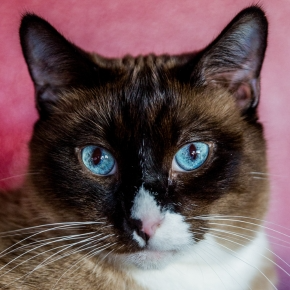
Did you know that November is National Adopt a Senior Pet Month and November 13th is World Kindness Day? At Avenues Vets, we believe adopting a rescue cat of any age is one of the kindest things a person can do! We also understand that some rescue cats can be challenging and may take a while to settle in. Hopefully that’s not the case, but if it is, there are steps you can take to ease the path.
Our cat-loving vets in Glasgow have put together some advice for anyone finding themselves in a challenging situation with their rescue cat, or those of you who are considering cat adoption. Keep reading and get in touch if you’d like more tailored advice, or to register your new feline friend.
Why some rescue cats display difficult behaviour
Sometimes rescue animals may exhibit behavioural problems as a result of experiences they’ve had in their previous home and the rehoming centre may not have had access to this information.
Common problems and possible solutions
There are a few issues that commonly crop up in rescue cats, so our vets in Glasgow have some solutions to help you:
1. Scratching: Scratching is natural for cats, but it can be frustrating when they target furniture. A simple fix is providing a scratching post and encouraging its use with a bit of catnip.
2. Going outside the litter tray: The Avenues Vets’ team suggest trying a different location for the litter tray. If that doesn’t help, your cat may prefer a different size or shape, so consider switching trays.
3. Aggression: If your cat isn’t neutered, this could lead to aggressive behaviour – talk to us about cat neutering options. Alternatively, past experiences may play a role. If your cat hurts you during play, make a loud noise to signal it’s unacceptable and then walk away. Remember, building a bond with your rescue cat takes time, so patience is key.
4. Being overweight: If your cat is overweight, it could be due to a sedentary lifestyle or a reluctance to play or go outside. It’s advisable to have them checked for any underlying health issues by our vets in Glasgow and get tailored weight-loss advice from our experienced nursing team.
5. Health issues: While some health issues are common in all cats, your new pet may face specific challenges if they haven’t lived in a healthy environment before adoption. Cats from poor conditions can be more prone to respiratory infections, parasites, dental issues, and nutritional deficiencies. The Avenues Vets’ team advise watching for signs like a large or small appetite, lethargy, odd grooming habits, or unusual behaviour. Regular veterinary check-ups are vital for early identification of health concerns and keeping your cat happy and healthy – book now.
Why adopt a senior cat
Adopting a senior cat brings mutual benefits: for the cat, it means a loving home in their golden years; for the owner, it offers a calm, mature companion with an established personality, often requiring less training and settling in quickly. Common health issues in senior cats to know about include arthritis, dental disease, kidney disease, hyperthyroidism, and obesity. Reputable cat rescue centres will have had a health check done prior to adoption, and some may even help with the cost of long-term medications if a condition has been diagnosed. With appropriate veterinary care, many older cats can enjoy happy and fulfilling senior years.
In the end, adopting a rescue cat of any age requires love, patience, perseverance, and the support of a great veterinary practice by your side. Contact Avenues Vets now to book your rescue cat in with one of our vets in Glasgow for tailored advice.
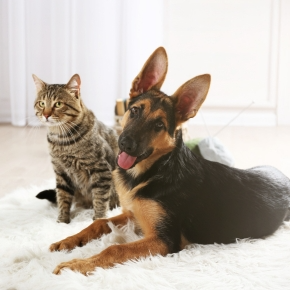
Vet Nicola Armstrong is sharing important information this month about Dilated Cardiomyopathy (DCM), a serious heart condition affecting pets that can lead to heart failure or sudden cardiac death. Nicola feels it’s important for dog and cat owners in Lanarkshire to understand what DCM is, which breeds are predisposed, and the steps to take if they suspect their pet may be affected.
Book a heart health consultation
Understanding Dilated Cardiomyopathy
What is DCM?
Vet Nicola Armstrong explains that DCM is a condition in which the heart becomes enlarged and weakened, affecting its ability to pump blood efficiently. This can lead to fluid build-up in the lungs and other parts of the body, resulting in symptoms such as coughing, lethargy, reduced exercise tolerance, and abdominal swelling. In some cases, DCM can develop silently, making regular veterinary check-ups essential for early detection. DCM typically occurs, but is not limited to, older male dogs.
DCM in Dogs – predisposed breeds
Nicola shares that this condition typically affects large-breed dogs, and that certain dog breeds are genetically predisposed to DCM. These include:
- Doberman Pinschers
- Boxers
- Great Danes
- Irish Wolfhounds
- Saint Bernards
- German Shepherd Dogs
- Newfoundlands
- Labrador Retrievers
While these breeds are at a higher risk, DCM can occur in other breeds as well, including mixed-breeds. Nicola says being proactive in monitoring you pet’s health is important.
Dogs, especially small breeds or those on grain-free diets or diets low in taurine, can also sometimes experience taurine-responsive DCM. Taurine is an essential amino acid for heart health and some grain-free diets (especially those high in legumes or potatoes) have been suspected of contributing to taurine deficiency, which can lead to DCM. However, this remains a topic of ongoing research.
DCM in cats
Since the discovery in the 80’s that a lack of taurine caused most cases of DCM in cats, the condition has become much less common. This is because taurine is now added to all commercial cat foods. Today, most DCM cases in cats are due to other underlying causes and don’t respond to taurine. However, DCM can still occur in cats fed non-commercial diets like vegetarian or home-cooked meals.
Signs and symptoms of DCM
Nicola wants pet owners in Lanarkshire to be aware of the following symptoms that may indicate DCM:
- Coughing or Difficulty Breathing: This could be due to fluid accumulation in the lungs.
- Lethargy: A noticeable decrease in energy or interest in activities they previously enjoyed.
- Exercise Intolerance: Reluctance to walk or play, or excessive panting after minimal activity.
- Abdominal Swelling: This may indicate fluid build-up due to heart failure.
- Fainting or Collapse: A serious sign that requires immediate veterinary attention.
Cats with DCM often show severe breathing issues and symptoms can progress quickly, making the condition difficult to manage. If you notice any of these signs, Nicola says it’s important to consult with one of our vets in Glasgow promptly for a thorough examination.
Advice for pet owners
1. Schedule Regular Vet Check-Ups: Your vet at Avenues Vets will listen to your pet’s heart for signs of irregularities. This is especially important for breeds at higher risk.
2. Watch for Weight Changes: Maintaining a healthy weight is vital for heart health. Obesity can exacerbate heart conditions, so monitor your pet’s diet and exercise routine.
3. Feed a Balanced Diet: Studies have suggested a possible link between some grain-free/low-grain canine diets and DCM. Ask our vets for advice on the best diet for your dog, particularly if they are a predisposed breed.
4. Know Your Dog’s Family History: Nicola says if you adopt or purchase a pet from a breeder, inquire about their family history regarding heart conditions.
5. Be Prepared for Emergencies: Understand the signs of heart distress (above) and have an emergency plan in place – take note of The Avenues Vets’ emergency vet information.
In conclusion, Dilated Cardiomyopathy is a serious condition affecting dogs (mainly) and cats but being aware of the risks and symptoms can significantly improve outcomes. Vet Nicola Armstrong shares that staying informed and proactive about your pet’s heart health is very important.
If you have any concerns or questions about DCM or your pet’s health, please don’t hesitate to reach out to our vet practice in Glasgow.
Book a heart health consultation

Sadly, pets can’t communicate discomfort verbally, which makes recognising and addressing pain a crucial part of their care. September is Animal Pain Awareness Month. To support this, Avenues Vets’ Veterinary Surgeon Nicola Armstrong, is explaining the different types of pain, and the signs to look out for in your dog, cat, or rabbit so you can get them the treatment they need promptly.
Recognising different types of pain in pets
Vet Nicola Armstrong explains that acute pain is sudden and severe, typically resulting from an injury, surgery, or illness; it is often sharp and intense.
Neuropathic pain arises from damage to the nervous system and can be difficult to pinpoint – humans would probably describe it in themselves as burning or tingling.
Visceral pain is related to internal organs and is often harder to detect. It’s typically associated with conditions like gastrointestinal problems or bladder infections, some of which can be emergencies. Call us promptly on 0141 643 0404 if you spot signs of acute, neuropathic, or visceral pain in your pet.
Chronic pain is long-lasting and persists over time, often due to conditions like arthritis, dental issues, or chronic illness. Nicola recommends keeping a diary to log changes in your pet’s behaviour and demeanour, and contacting us to book a pet check-up at our practice in Glasgow as soon as possible.
Nicola shares that these are the signs of pain to look out for:
Is your dog in pain?
- Acute pain: Whining or barking more than usual, limping or favouring one leg, restlessness or difficulty settling down, avoidance of movement or play.
- Neuropathic pain: Unexplained twitching or muscle spasms, sensitivity to touch – even light pressure, difficulty walking or coordination problems, vocalisation in response to touch.
- Visceral pain: Vomiting or diarrhoea, restlessness or pacing, changes in appetite or drinking habits, abdominal tenderness or swelling.
- Chronic pain: Stiffness or difficulty getting up, reluctance to climb stairs or jump, behavioural changes such as irritability or aggression, changes in sleeping patterns or excessive sleeping.
Is your cat in pain?
- Acute pain: Hissing or growling when touched, increased hiding or withdrawal, reduced grooming or a scruffy coat, changes in eating or litter box habits.
- Neuropathic pain: Excessive grooming of a specific area, discomfort or sensitivity in certain parts of the body, unusual postures or movements, reluctance to be handled or touched.
- Visceral pain: Frequent urination or signs of straining, loss of appetite or vomiting, changes in behaviour such as hiding or aggression, abdominal swelling or sensitivity.
- Chronic pain: Decreased activity or reluctance to play, difficulty jumping onto surfaces, increased vocalisation – especially during movement, changes in litter box usage or grooming habits.
Is your rabbit in pain?
Anything that causes your rabbit to stop eating is an emergency in itself – see our emergency contact information.
- Acute pain: Rapid breathing or thumping, reluctance to move or hop, reduced appetite or refusal to eat, hiding or staying in a corner.
- Neuropathic pain: Abnormal movements or twitching, sensitivity to touch or grooming in specific areas, changes in posture or difficulty sitting normally, increased aggression or fearfulness.
- Visceral pain: Changes in droppings or gastrointestinal upset, signs of discomfort when touched around the abdomen, reduced food intake or changes in eating habits, lethargy or unusual behaviour.
- Chronic pain: Reduced activity and reluctance to hop, changes in behaviour such as aggression or timidity, difficulty grooming or poor coat condition, changes in eating habits or reduced food intake.
What to do if you suspect pain
If you notice any signs of pain in your pet, Nicola recommends contacting our vet practice in Glasgow as soon as possible. Early diagnosis and treatment can significantly improve your pet’s quality of life and address underlying conditions effectively.
Don’t hesitate to reach out to our team at Avenues Vets, with any concerns about your pet’s health or behaviour.
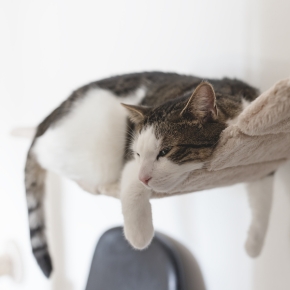
As autumn rolls in with its crisp air and colourful leaves, our feline companions may start to feel the strain of seasonal changes. The transition to shorter days and cooler weather, coupled with increased activity and noise, can be stressful for cats. To help your cat remain calm and relaxed, it’s worth considering various calming aids. Here’s why Avenues Vets recommends calming aids for cats and how they could benefit your cat.
Contact Us About Cat Calming Aids
Why some cats need calming aids
1. Seasonal Stress: Our vets in Glasgow share that autumn brings a host of changes, from shifts in routine with the post-holiday returns to school and work, to the increased presence of fireworks, especially around Bonfire Night. The loud noises and unfamiliar sounds can cause significant anxiety in cats. Calming aids can help ease this stress and make the transition to the new season smoother for your feline friend.
2. Environmental Changes: With cooler weather, cats may spend more time indoors, which can lead to boredom or agitation if their environment lacks stimulation. Calming aids can help them adapt to these changes more comfortably, ensuring they remain relaxed despite the shift in their routine.
3. Behavioural Issues: Stress and anxiety can lead to problematic behaviours, such as excessive grooming, scratching, or inappropriate elimination (soiling) indoors. Calming aids for cats can help address these issues by creating a sense of security and reducing anxiety-related behaviours.
Popular calming aids for cats
1. Feliway Diffusers: The Feliway Classic diffuser and spray replicate the F3 facial pheromone that cats naturally use to mark their territory as safe by rubbing their faces on objects. These “happy messages” reassure cats and create a sense of safety and calm, therefore reducing stress. Our team at Avenues Vets advise that plug-in diffusers often need a few weeks to have the most effect so if you are getting them ahead of firework season, it’s best to contact us as soon as possible.
2. Calming Treats and Supplements: Available in various forms, these treats and supplements often contain ingredients like valerian root, chamomile, or L-theanine, known for their calming effects. They provide a palatable way to help your cat relax and manage anxiety. Due to the specific doses suitable for cats, always talk to one of our vets before giving your cat any kind of cat supplement.
3. Interactive Toys: Puzzle toys and treat-dispensing toys can offer mental stimulation, which is crucial for reducing stress and keeping your cat engaged. Being occupied with these toys can alleviate some of the anxiety caused by seasonal changes. Our team in Glasgow can advise you on some popular types of cat puzzle toys – just pop in or call 0141 643 0404.
4. Comfortable Spaces: Providing a quiet, comfortable space where your cat can retreat is essential. Cat beds, hideaways, and soft blankets can offer a secure haven, helping your cat feel more at ease.
How to use calming aids effectively
1. Talk to Us: It’s important to talk to your vet before introducing new calming aids. Our vets can help identify the best options for your cat’s specific needs and ensure there are no underlying health concerns.
2. Monitor and Adjust: Observe your cat’s reaction to different calming aids. Each cat is unique, so finding the right solution may involve trying several options to see what works best for your pet.
Autumn’s changes, including the noise from fireworks and the shift in routines, can be challenging for cats. Calming aids offer a valuable means of helping your feline friend stay relaxed and comfortable. By selecting appropriate products and providing a supportive environment, you can ensure that your cat remains calm and happy throughout the season – contact us for advice.
We hope you found the advice from our vets in Glasgow helpful.
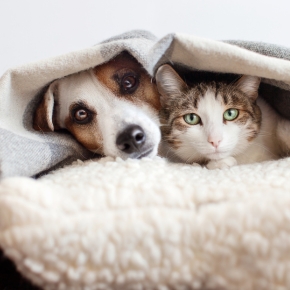
Noise phobia in dogs and cats is a common but distressing condition that can significantly impact their quality of life. This anxiety disorder causes pets to become extremely fearful of loud or sudden noises, leading to intense stress and behavioural changes. Our vets in Glasgow have created this guide to help you understand noise phobia and its causes, symptoms, and treatment options to better support your furry friend.
With fireworks season just around the corner, contact the team at Avenues Vets to discuss which calming products for dogs or cats may help your furry friend cope.
Understanding noise phobia in dogs and cats
What is noise phobia?
Noise phobia is an intense fear or anxiety triggered by specific sounds. Unlike a simple reaction to loud noises, noise phobia involves a heightened and persistent fear that can lead to severe behavioural issues. Common noises that might trigger this phobia include thunderstorms, fireworks, sirens, or even household appliances.
How does noise phobia present in pets?
Our vets in Glasgow share that pets with noise phobia may exhibit a range of distressing behaviours, including:
- Pacing and Restlessness: Pets may wander aimlessly or appear agitated.
- Hiding: They might seek refuge in enclosed spaces or under furniture.
- Vocalisation: Increased barking, whining, or meowing can be a sign of distress.
- Destructive Behaviour: Some pets may chew furniture or scratch walls.
- Shaking or Trembling: Physical signs of fear are common, particularly during loud noises.
These reactions can vary in severity depending on the individual pet and the intensity of the noise.
Contact us ahead of fireworks season to discuss calming aids for your pet.
Common causes of noise phobia in pets
Noise phobia can stem from a variety of causes:
- Lack of Early Socialisation: Pets who were not exposed to a range of sounds during their critical developmental period may be more susceptible to noise phobia.
- Traumatic Experiences: Past negative experiences related to loud noises, such as a frightening event during fireworks, can contribute to the development of this phobia.
- Genetics: Some pets may have a genetic predisposition to anxiety disorders, making them more prone to developing noise phobia.
- Environmental Factors: Changes in the environment, such as moving to a new home or experiencing sudden loud noises, can trigger or exacerbate the condition.
How to treat noise phobia in pets
Our team of experienced vets at Avenues Vets have dealt with many cases of noise phobia over the years. They advise that addressing it involves a combination of strategies to help reduce anxiety and manage symptoms:
- Create a Safe Space: Designate a quiet, secure area in your home where your pet can retreat during noisy events. Provide comfortable bedding and familiar items to help them feel safe.
- Desensitisation: Gradually expose your pet to recorded sounds of the noises that trigger their phobia at a low volume, increasing the volume over time. Pair these sessions with positive reinforcement to help them associate the sounds with rewards.
- Use Calming Products: Calming aids such as anxiety wraps, pheromone diffusers, or calming treats can help alleviate anxiety. Ask our vets in Glasgow to discuss the most suitable options for your pet with you – get in touch.
- Professional Help: For severe cases, book an appointment at Avenues Vets. The vet will examine your pet for any underlying health conditions that could be contributing to their anxiety, as well as provide a tailored treatment plan, and medication if necessary. They may also discuss behavioural therapy and enlisting the help of a veterinary behaviourist.
- Maintain Routine: Keeping a consistent routine can provide stability and comfort for your pet, helping to reduce overall anxiety.
In conclusion, noise phobia can significantly impact a pet’s wellbeing, but with the right approach, it is manageable. By understanding the causes, recognising the symptoms, and implementing effective treatment strategies, you can help your pet feel more secure and less fearful. If you have concerns about your pet’s behaviour, don’t hesitate to contact our team in Glasgow for advice.
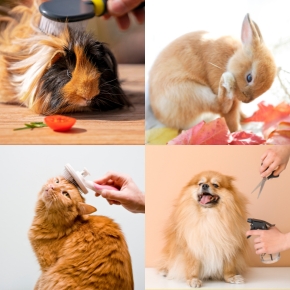
Sunshine, longer days, and summertime adventures are here. But as temperatures rise, so does the need to adjust your pet’s care routine. Grooming is no exception. Here at Avenues Vets, we’ve put together some tips to keep your furry friends cool and comfortable with our summer grooming strategies for dogs, cats, rabbits, and guinea pigs.
If you would like some more advice on pet grooming, or need any help with matting, nail clips and other pet care needs, our Registered Veterinary Nurses at Glasgow are here to help.
Top tips for summer grooming
Brushing up on the importance
Avenues Vets’ nursing team advise that regular brushing is essential all year round, but it becomes especially important during the summer months. Brushing removes loose fur, which can trap heat and make your pet uncomfortable.
- Long-haired pets: Brush daily to prevent matting, which can be a real problem in hot weather.
- Medium-haired breeds: Aim for a few brushes a week.
- Short-haired companions: Weekly brushing is still beneficial.
The summer trim
For some long-haired dog breeds, a summer trim can be a great way to help them stay cool. However, it’s important not to go overboard. A double coat actually provides natural insulation, which is good for temperature regulation, so avoid shaving your dog too short. Ask our nurses or a qualified groomer for advice on the right summer style for your dog breed.
Keeping smaller pets cool
Rabbits and guinea pigs don’t typically need haircuts, but regular brushing is still important. For long-haired rabbits, consider a trim around their rear end to keep them clean and comfortable. Never attempt to shave these small pets yourself, as their skin is delicate and easily injured.
Gentle on the go
Summer often means more outdoor adventures with your pet. After walks or playtime outside, Avenues Vets’ nursing team advise that owners should check their pet’s fur for ticks, fleas, and burrs (small, prickly seed pods or seed heads). Use a pet-safe flea comb and brush to gently remove any unwanted hitchhikers.
Top tips for all
- Hydration is Key: Ensure your pet has constant access to fresh, clean water.
- Beware the Midday Sun: Limit walks and playtime to the cooler parts of the day.
- Cooling Comforts: Provide shady areas for your pet to relax in and consider a cooling mat for them to lie on. Small furry pets may enjoy lying on a cold tile, or against a bottle of frozen water wrapped in a towel.
By following these simple summer grooming tips, you can help your dog, cat, rabbit, or guinea pig stay cool, comfortable, and looking their best all season long.
If you have any questions or concerns about your pet’s grooming needs, don’t hesitate to book a consultation with Avenues Vets’ nursing team at Glasgow. They’re always happy to help!
Whether you live with cats, you’re adding a new feline member to the family, or you just… love… cats, this article is for you! Vet Nicola Armstrong has created this Happy Cat guide for anyone who is curious about cats and wants to understand these majestic creatures even better.
You can talk specifics about your own cat, book an appointment, or get advice on adopting a new cat by calling our cat-loving team at Avenues Vets on 0141 643 0404.
Get curious about cats
Do cats have a specific personality type? Can you tell if they are happy or how to make them happy? What’s your cat’s “love language”? Have a read of Nicola’s guide below…
Cat personality types
Nicola suggests that while breed isn’t a guarantee of a cat’s temperament, some breeds are known for certain traits. Here’s a quick rundown:
- The Social Butterfly: Breeds like Siamese, Burmese, and Abyssinians are known for being outgoing, playful, and loving attention. They might even follow you around the house!
- The Laid-Back Lounger: Persian, Ragdoll, and British Shorthair cats tend to be more easy-going and relaxed. They enjoy cuddles and quiet time but can still be playful.
- The Independent Spirit: Some breeds like Bengals, Singapura, and Maine Coons can be a bit more independent. While they’ll still show affection, they might also crave their own space and enjoy exploring.
Remember: these are just general tendencies, and every cat is unique. Their upbringing and experiences will also shape their personality. Nicola says spending quality time and observing behaviours and interactions is key to understanding their love language and personality.
7 happy cat cues
Nicola explains that while purring is the most obvious signal your cat feels comfortable and settled, it’s not the only marker of happiness. Here are some more common signifiers of a contented kitty:
- Relaxed posture with no stiffness when lying down
- Kneading – a nostalgic kittenhood behaviour
- Warm greetings of rubbing around your legs
- Playfulness
- Eating well
- Staying well-groomed and grooming you
- High-pitched meows typically show contentment or attention seeking
However, Nicola notes that cat communication is complex, with vocalisations varying widely. Consider body language, context, and specific sounds when interpreting a cat’s emotions. For better understanding, observe your cat’s overall behaviour and vocal patterns in different situations.
Feline love languages
While the concept of “love languages” (the way love is expressed and received) is typically applied to humans, cats definitely communicate affection in different ways. Below, Nicola suggests how your feline friend might show and receive love:
- Physical Touch: Enjoys scratching & stroking, giving head-butts, and snuggles. Notice their petting preferences.
- Quality Time: Shows love through cuddle sessions or playtime.
- Acts of Service: Feels secure with a clean litter box, fresh food/water, and toys.
- Words of Affirmation: Responds to gentle, loving tones.
- Gifts: Shares dead mice or feathers as a sign of trust.
By understanding your cat’s love language, you can strengthen your bond and ensure they feel happy and loved. Although, you may want to ignore wildlife “gifts” and hope your cat chooses something else!
At Avenues Vets, we adore cats! We love getting to know them and their individual personalities. We also love helping Lanarkshire cat owners understand more about their feline friends so, do get in touch.
Like what you read? Share our article with the ‘cat people’ in your life!
You’re not alone when it comes to having trouble choosing the best pet food for your dog or cat. With 10.5 million tonnes of pet food products sold annually across Europe and a 5.1% annual growth rate for this industry*, it’s no wonder you can feel flummoxed!
Our veterinary team at Avenues Vets have crafted a simple guide to help pet owners in Lanarkshire navigate the process of pet food shopping.
Book a Tailored Nutrition Appointment
As vets, we’re often asked about the vast array of pet food choices on the market. From kitten kibble to senior support, the options can be overwhelming. Yet, there’s a straightforward explanation for this diversity: a pet’s nutritional requirements evolve throughout their lifespan. Let’s delve into why life stage matters in pet food, decipher what “complete pet food” means, and underscore the importance of consulting with a veterinary professional for maintaining your pet’s health.
Life stages of your pet
- Growing Pains: Picture a lively puppy or kitten with endless energy and a hearty appetite, fuelling their adventures and growth. Puppy and kitten food is rich in protein, calcium, and essential nutrients to support their rapid development.
- The Prime of Life: Once your pet reaches adulthood (around 1 year for cats and varying for dogs depending on breed), their growth rate slows down. Adult pet food provides the balanced nutrition they need to maintain a healthy weight, support their immune system, and keep them active.
- Golden Years: As pets age, their bodies change. Senior pet food often has lower calorie content to help prevent weight gain, while containing glucosamine and chondroitin to support joint health.
Our experienced team at Avenues Vets can advise you on all of this – book a tailored nutrition appointment now.
What does “complete pet food” mean?
You might see the term “complete pet food” on packaging. Our vets in Glasgow advise that it signifies the food meets all your pet’s nutritional requirements for their life stage, as set by organisations like the European Pet Food Industry Federation (FEDIAF). This means you don’t need to add any supplements unless specifically recommended by your vet.
Why choose high quality pet food
Think of pet food as the foundation of your pet’s health. High-quality complete pet food, formulated for their life stage, provides the essential building blocks for a long and healthy life. It can also support digestion, skin and coat health, and even cognitive function.
Why consult your vet
While complete pet food offers a balanced base, every pet is an individual. Book a tailored nutrition appointment with one of our vets, who will consider your pet’s age, breed, activity level, and any specific health concerns to recommend the best pet food for their unique needs. They can also help with tricky transitions between life stages and advise on portion control to maintain a healthy weight.
Cats especially need a well-thought-out transition between different foods, as some changes in diet can negatively affect their health.
Our veterinary team at Avenues Vets want pet owners in Lanarkshire to remember: When it comes to pet food, a one-size-fits-all approach doesn’t exist. By understanding the importance of life stage nutrition, choosing good quality complete pet food, and consulting your vet, you’re giving your pet the nutritional foundation they need to thrive at every stage of their life.
Book a Tailored Nutrition Appointment
Did you know you can buy a range of top-quality, vet-recommended complete pet foods at Avenues Vets? Book a tailored nutrition appointment with our team to discuss your pet’s needs.
*Stats from www.europeanpetfood.org

Adopting a pet can be a joyful and rewarding experience. However, vets in Glasgow advise that asking the right questions beforehand can help you make an informed decision and create a harmonious environment for your new family member. Below are some key questions to consider.
When you collect your new pet, be sure to register them with Avenues Vets where they will receive the very best care.
Questions to ask before adopting a pet
Our vets in Glasgow have compiled these 7 important questions:
1. Why do you want to adopt a pet?
Understanding your motivation for adopting a pet is crucial. Are you looking for companionship, a playmate for another pet, or a specific breed for its characteristics? Reflecting on your reasons will help you choose the right pet that fits your lifestyle and expectations.
2. What are the pet’s needs?
Dogs, cats, rabbits, and any other type of pet have unique needs, including nutrition, exercise, housing, and veterinary care. Our vets highly recommend researching the specific needs of your desired pet type or breed to ensure you’re prepared. For example, certain dog breeds may require more exercise and mental stimulation, while some cats might have special dietary needs. If you have questions about caring for a particular pet type or breed, feel free to reach out to our team for advice on 0141 643 0404.
3. What is the pet’s history?
Understanding a pet’s background can provide insight into their behaviour and any potential challenges. Ask your local pet rescue centre in Lanarkshire, or further afield, about the pet’s previous living conditions, any medical history, and reasons for being up for adoption. This information will help you prepare for any behavioural issues or medical needs.
4. What are your living arrangements?
Consider your home environment and how it will accommodate a new pet. Do you have enough space for a lively dog or a secure area for a curious cat? If you rent, does your landlord allow pets? Additionally, think about any potential hazards in your home that need to be addressed before bringing your new pet home. Our vets in Glasgow vets advise that hazards might include breakables, escape routes, toxic substances and plants, and other pets.
5. What is your lifestyle like?
Your daily routine and lifestyle will significantly impact your pet’s wellbeing. Consider how much time you can dedicate to your pet for exercise, training, and socialisation. If you travel frequently or work long hours, think about how you will provide for your pet’s needs during your absence. Search for pet sitters and dog walkers in Glasgow and Lanarkshire to find out costs and availability.
6. Are you prepared for the long-term commitment?
Adopting a pet is a long-term commitment that can last many years. Ensure you are ready for the responsibilities of pet ownership, including the financial costs of food, supplies, and veterinary care. Consider the time and effort required to train and care for your pet throughout their life stages. We’re here if you have any questions about the long-term needs of the type of pet or breed you are considering – call us on 0141 643 0404 for advice.
7. How will you integrate the pet into your family?
If you have other pets or young children, think about how your new pet will fit into the existing family dynamic. Our vets advise that introductions should be gradual and supervised to ensure a smooth transition. Make sure to discuss with family members their roles and responsibilities in caring for the new pet.
Time to register your new pet
At Avenues Vets, we’re here to guide you through the joy of pet adoption. Register your new pet at our vet practice in Glasgow for top-notch care and a healthy start in their new home. Our team offers advice, vaccinations, health checks, and more to keep your new pet happy and thriving.
Choosing a name for your new companion is an exciting milestone in pet ownership, but with so many options to choose from, where do you start? Fear not, fellow pet lovers! Our nursing team at Avenues Vets have pulled together some fun ideas to help you find the perfect name to get your pet wagging, purring, or hopping with approval!
Call 0141 643 0404 and tell us all about your new pet and their snazzy name, and we’ll get them registered right away. You can also register via our website:
Five Fun Ways to Choose Your Pet’s Name
Have fun with our vet nurses’ ideas below, and let us know if your new pet is a “Rachel” or a “Phoebe”, or if “Sir Wriggle Bottom” gets the vote!
- Let Their Personality Shine: Our nurses recommend taking a moment to observe your pet’s unique quirks & characteristics. If your cheeky kitten has a mischievous streak, maybe “Cheeky Chops” suits them to a tee. If your dapper dog is always ready for an adventure, “Captain Pawsome” could be the paw-fect name!
- Get Inspired by Their Appearance: Does your long-haired cat’s luxurious coat resemble a lion’s mane? If so, “Simba” might be just the name to match their regal presence. Is your bouncy bunny blessed with floppy ears that could rival Dumbo’s? How about “Nelly”?
- Think Outside the Box: Don’t be afraid to get creative and think beyond the usual pet naming conventions. Consider naming your pet after your favourite book character, a beloved movie star, or even your favourite food! Just imagine calling for “Spaghetti” at the dog park or snuggling up with “Princess Paws – Breaker of Biscuits” on the sofa. Our Glasgow veterinary nurses do love it when they see a “Piglet” (the dog) or a “Badger” (the hamster) too!
- Keep It Simple: While a unique and creative name can be fun, a name with easy pronunciation can sometimes work best. Shorter names with distinct sounds may be easier for pets to recognise and respond to, such as “Bella” and “Teddy”. Consistency of use and association with positive experiences will help your pet to learn their name.
- Trust Your Instincts: When it comes down to it, the most important thing is choosing a name that feels right for you and your pet. Trust your instincts and go with the name that makes your heart sing and your pet’s face light up. If that means calling your vocal cat “Dolly Parton” or your miniature dachshund “Sausage Roll”, so be it!
We hope you love these ideas from our Glasgow nursing team as much as we do. Unleash your creativity and let the naming adventure begin!
We can’t wait to meet your new best friend! Register their new name via our website, or give us a call on 0141 643 0404.


