
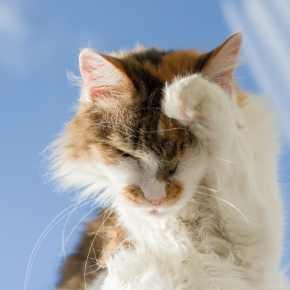
Scratching, nibbling, head shaking… sound familiar? Late August and September are peak times for itchy skin flare-ups in pets, and our team at Avenues Vets are expecting to see an influx of cases.
While many causes are mild, some will need treatment from our vets in Glasgow to stop them from becoming serious – or seriously uncomfortable. Book an appointment if you’re concerned for your pet.
So, why do some pets itch more in late summer?
Temperatures in Lanarkshire often have a surge during late August and September, creating the perfect conditions for skin irritation. Here’s why late summer heat can prove tricky:
- Fleas love the heat: Fleas and flea eggs thrive in warm, humid conditions and some dogs and cats are allergic to their bites.
- Grass seeds are lurking: These sharp little nuisances can work their way into the paws, ears and even eyes of pets, causing discomfort or infection.
- Pollen allergies peak: Just like us, pets can have seasonal allergies. Late summer weeds and grasses may be the culprits.
- More time outdoors: Trips to the park and woods around Lanarkshire, or at home in your garden, mean more contact with irritants and insects.
Signs your pet may be struggling
Our team at Avenues Vets advise that if you spot any of these signs, it’s worth booking a check-up:
- Constant scratching or licking
- Red, sore or flaky skin
- Bald patches or thinning fur
- Head shaking or ear scratching
- A bad smell from the coat or skin
How you can help your pet at home
There are a few things pet parents can do to stay ahead of late summer skin problems:
- Use regular, vet-approved flea treatments from Avenues Vets
- Check paws and ears after walks – especially in grassy areas
- Wipe down fur with a damp cloth after outdoor time to remove pollen
- Groom regularly to remove loose hair and keep the coat healthy
When to see the vet
Persistent itching or sore skin can lead to infections or ongoing discomfort, so it’s best not to wait. A check-up with our vets at Avenues Vets can help identify the cause – whether it’s fleas, allergies, grass seeds or something else – get an appointment booked and your pet feeling more comfortable fast.

As apples start to drop and ferment around Lanarkshire in late summer and early autumn, your garden might smell sweet – but for pets it can be a sticky trap of sour tummies, stings and unexpected hazards.
Got apple trees or fruit on the ground near you? Keep reading to help your pet steer clear of seasonal trouble. If you’re concerned about a sting or a scavenged snack, don’t hesitate to reach out to Avenues Vets for more advice.
Why rotting apples are troublesome for pets
Fallen fruit may seem harmless, but once it starts to rot, it can pack a punch. The Avenues Vets’ Nicola Armstrong explains how as apples break down, they begin to ferment naturally and that’s where the problems start.
For dogs and cats: A quick bite of fermenting fruit might cause digestive upset, vomiting or diarrhoea. In larger amounts, it can even lead to alcohol poisoning, especially in smaller pets.
For rabbits and guinea pigs: Rotting apples are far too sugary and acidic for their sensitive systems. If your rabbit or guinea pigs’ hutch or outdoor run is near to fruit trees and can’t be moved, Nicola advises owners to regularly check for fallen fruit and immediately remove any to prevent accidental ingestion.
The wasp problem: drunk, stingy and unpredictable
As if the apples weren’t enough trouble, their sugary scent attracts wasps in large numbers. Once they start feeding on the fermenting fruit, the wasps can become a bit tipsy themselves. That means:
- They’re clumsier and slower, so easier for pets to catch
- They’re more aggressive, so more likely to sting when startled
- They hang around low to the ground, right at pet-sniffing level
Veterinary Surgeon Nicola warns that wasp stings in the mouth or throat can be dangerous and painful!
Signs your pet may have eaten something dodgy
Look out for these common symptoms:
- Vomiting or diarrhoea
- Weakness or wobbliness
- Excessive drooling
- Seeming ‘drunk’ or disoriented
- Pawing at the mouth or swelling after a sting
Don’t wait to see if it passes – call our vets in Glasgow on 0141 643 0404 for advice.
Easy ways to protect your pets
- Clear up fallen fruit daily – especially apples, plums and pears
- Keep outdoor runs and play areas away from fruit trees
- Supervise dogs on walks around Lanarkshire – many love a good forage!
- Block access to compost heaps – especially if they include food waste or fermenting fruit
- Know the signs of wasp stings – swelling, licking, or sudden discomfort
Worried about your pet?
Late summer and early autumn bring beautiful sights and smells around Lanarkshire, but they also bring some unexpected hazards. Keeping your garden clear of rotting fruit and your pet away from drunken wasps helps to avoid unplanned trips to the vet. Got a question for our team at Avenues Vets about something your pet has eaten or an insect sting?

Moving house can be exciting – but it’s also a big upheaval, especially for your pets. With August being the UK’s busiest month for house moves, now is a good time to think ahead and make the transition as smooth as possible for your faithful friends.
Our vets in Glasgow have shared tips to help you prepare below, but don’t hesitate to call us for more tailored support. They can also talk to you about whether using a calming pet plug-in at least a month before your big move could help your pet keep calm.
The Avenues Vets’ 5 top tips for calm pets during house moves
1. Keep routines consistent
The Avenues Vets’ vets reveal that pets feel safest when their day-to-day routine stays the same. In the lead-up to your move, try to feed them, walk them, and settle them for the night at the usual times. Even if boxes are piling up around them, this predictability helps reduce anxiety.
Play sessions are important for reducing anxiety and keeping things normal too; our team encourage you to throw a ball or dangle a feather teaser toy in between the maze of boxes!
2. Prepare a safe travel plan
Whether your pet is travelling in a carrier, crate or car seat harness, our vets in Glasgow advise that it’s important make sure they’re comfortable and secure. Dogs and cats may benefit from short trial runs before moving day, especially if they don’t travel often. For smaller pets like rabbits or guinea pigs, make sure carriers are well-ventilated and shaded from heat.
3. Set up a quiet space on arrival
Unpacking can be chaotic. Our vets at Avenues Vets suggest creating a calm, enclosed area for your pet with familiar blankets, toys, and their usual food and water bowls. For cats, it’s usually best to keep them indoors for at least two weeks while they adjust to their new surroundings.
4. Let them explore gradually
Allow your pet to explore the new space at their own pace. Start with one room and slowly open up access as they grow in confidence. Cats, in particular, will appreciate this steady approach – rushing can cause stress or lead them to try to escape.
5. Don’t forget registration and microchips
Once you’re settled, remember to update your pet’s microchip details with your new address. You’ll also want to register with your new local vet or update your details if you’re staying with Avenues Vets.
Need help preparing for the move? Get in touch with our experienced vets in Glasgow if you’d like advice tailored to your pet’s needs – and ask about calming products for dogs and cats if your think your pet will be particularly anxious.
Choosing the right pet is about more than cuteness (though that certainly helps). The best pet for you will fit your lifestyle in, personality and daily routine in Lanarkshire. So, are you a dog person, a cat person, or would another animal be a better match?
Need a second opinion? Our team are always on hand to offer advice, so don’t hesitate to get in touch.
Contact us for advice on new pets
And don’t forget to register your new pet with us at Avenues Vets.
Dogs: Loyal companions who love your company
Dogs tend to suit people who:
- Enjoy outdoor walks around Lanarkshire (in all weathers)
- Are home regularly or can make time for play and attention
- Don’t mind a bit of training and routine
- Have enough space for a lively tail-wagger
If you’re looking for a sociable, active companion and have time to invest in their care, The Avenues Vets’ team believe that a dog might be the perfect match.
Cats: Independent but affectionate housemates
Cats are a good fit for those who:
- Prefer a more low-maintenance pet
- Are out during the day but around in the mornings or evenings
- Appreciate quiet companionship
- Live in a smaller space, like a flat (indoor cats only) in Glasgow
While some cats are incredibly affectionate, they’re often on their own schedule – perfect if you like your space too.
Could another pet be a better fit?
If dogs and cats don’t quite match your routine, don’t worry as there are plenty of other pets to consider:
- Rabbits or guinea pigs – The Avenues Vets’ team say they are great for quieter homes, especially with older children
- Fancy rats – Sociable, clever and fun to interact with
- Hamsters – Independent, nocturnal and good for those with limited space
- Fish or reptiles – Calmer to watch and care for, with different types suited to different experience levels
Some pets are more hands-on than others and each one has unique care needs.
Still not sure?
There’s no one right answer, it’s all about finding a pet that fits into your world and brings you joy. Take your time, ask questions and think about the long term. Once you’ve decided on your furry companion, register your new pet with us at Avenues Vets.
Contact us for tailored advice if you’re considering a new pet. We’re happy to chat about what might suit your lifestyle and help you make the best choice for you, and them.
Contact us for advice on new pets
Warm weather can mean more time outdoors with your pet, but summer can also bring a few challenges for their skin and coat.
Book an appointment with our vets in Glasgow if you notice anything unusual with your pet’s skin, from itching and redness to new lumps or bumps.
How to care for your pet’s skin in summer
Sunburn in pets
Just like us, dogs and cats can get sunburnt, especially those with thin or light-coloured coats. Areas with less fur such as noses, ear tips and bellies are most at risk. You can help protect your pet by:
- Providing shade when outdoors in Lanarkshire
- Avoiding exercise and outdoor time during the hottest part of the day
- Using a pet-safe sunscreen on vulnerable areas like noses, ears and tummies
If your pet does get sunburnt, their skin may appear red or flaky. It can be painful, so do ask our The Avenues Vets’ team about soothing treatments and how to prevent further damage.
Summer skin allergies and irritants
Some pets are prone to seasonal skin flare-ups during the warmer months in Lanarkshire. Allergies to pollen, grasses or even flea bites can cause:
- Excessive scratching or licking
- Hair loss or hot spots
- Sore, red or thickened skin
Vet Nicola Armstrong advises that regular flea control is essential during summer as flea saliva is a top trigger for allergic reactions. Anti-itch medications and medicated shampoos may help keep flare-ups under control – our vets at Avenues Vets can advise you on the right approach for your pet.
Watch out for grass seeds
Grass seeds are small, sharp and can become deeply embedded in your pet’s skin, especially around the paws, ears and armpits. Dogs tend to be more affected than cats, particularly long-haired breeds. Our The Avenues Vets’ team advise to look for signs like:
- Licking or chewing at a paw
- Head shaking or ear irritation
- Sudden limping
If you spot a grass seed or suspect one may be lodged under the skin, don’t try to remove it yourself. Book a consultation at our vet practice in Glasgow so we can safely examine and treat it.
Keeping skin healthy all summer
Keeping your pet’s skin healthy in the summer is just as important as keeping them cool. Here are a few simple tips to help you look after their skin and coat during the warmer months in Lanarkshire.
- Brush regularly to remove loose fur and debris and to check for problems
- Wash off mud or allergens after walks
- Wipe pollen off your dog or cat’s coat with a damp cloth
- Keep up with flea and parasite control
- Look out for signs of heat rash in skin folds
If your dog or cat is showing signs of skin trouble this summer, it’s best to get them checked by our vets in Glasgow.

Every pet has their own personality, but some behaviours can be more than just quirks – they might signal an underlying issue.
Our team are keen to help pet owners in Lanarkshire understand their pets’ behaviour so that both can live comfortably together. If your dog or cat is displaying challenging behaviours, it’s worth booking a vet check at Avenues Vets to explore the cause and ensure they’re happy and healthy.
Dog and cat behaviours that are problematic
Behavioural problems in dogs
Dogs communicate through their actions, but our vets in Glasgow warn that certain behaviours can become problematic:
- Excessive barking – If your dog is barking persistently, it could be due to anxiety, boredom, or even pain.
- Destructive chewing – Puppies chew as they teethe, but adult dogs may destroy furniture due to stress or lack of stimulation.
- Aggression towards people or other animals – This can stem from fear, territorial instincts, or past experiences.
- Separation anxiety – Signs include whining, pacing, or destructive behaviour when left alone.
- Sudden house soiling – If a previously house-trained dog starts having accidents, a medical issue could be the cause.
Behavioural problems in cats
The Avenues Vets’ team of vets explain that cats may be independent, but their behaviours can sometimes indicate distress or discomfort:
- Over-grooming – Licking excessively can lead to hair loss and may be caused by stress, allergies, or parasites.
- Scratching furniture – This is natural behaviour, but if it’s excessive, providing scratching posts can help.
- Aggression – Cats can become aggressive due to fear, pain, or feeling threatened.
- Inappropriate toileting – Urinating outside the litter tray could indicate stress, a medical issue, or dissatisfaction with their litter box setup.
- Hiding excessively – If your cat suddenly starts avoiding interaction, they may be unwell or stressed.
Behavioural problems aren’t just frustrating, they can be signs of underlying health issues or emotional distress. If your pet is showing any concerning behaviours, a vet consultation at Avenues Vets can help identify the cause and find a solution.
Our vets will give your pet a through nose-to-tail check-up at our vet practice in Glasgow to rule out any underlying health conditions. Our team will then be able to offer you some advice, which may include enlisting the help of a professional pet behaviourist. Call us on 0141 643 0404 now to book a vet consultation or visit our booking page.
Regular grooming isn’t just about keeping your pet looking their best – it’s essential for their health and wellbeing. Whether you have a dog, cat, rabbit, or guinea pig, learning the right techniques will make grooming easier and more enjoyable for both of you.
The Avenues Vets’ nurses have lots of experience with pet grooming and this Veterinary Nursing Awareness Month, they´re sharing some tips below. If you´d like to learn more about grooming your furry friend then you can book a chat with them.
How to Get Better at Pet Grooming
Our veterinary nurses in Glasgow explain that different pets have different grooming needs, so choosing the right tools and learning what’s best for your individual pet are key.
Brushing
- Dogs & cats: A slicker brush may help to remove loose hair in some breeds, while a comb can be good for tackling tangles. Long-haired breeds may need de-matting tools, which are best handled by the professionals.
- Rabbits & guinea pigs: A soft-bristle brush or small animal comb is gentle on their delicate fur.
- Using the right amount of pressure is crucial. Too much can cause discomfort, while too little may not be effective.
- Always brush in the direction of hair growth and use slow, steady strokes to avoid pulling.
- Not all pets will tolerate brushing, be aware of how your pet is feeling and stop if they are uncomfortable.
Ask us for tailored advice on how best to care for your pet’s individual coat type and delicate skin.
Washing
- Don’t wash too often: Dogs shouldn’t be washed too often in order to avoid losing the natural oils in their coat.
- Shampooing: Choose a gentle, pet-friendly shampoo and remember to wash behind their ears and inside their toes.
- Using a hair dryer: If using a hair dryer on your dog, keep on a low noise and low heat setting and ensure your dog is happy. Use with the utmost care as your dog’s skin is sensitive – use the cool or lowest warm setting.
- Washing cats: If your cat hates water avoid bathing them and if they get really dirty or need pollen removing, you can gently wipe them with a cloth.
- Washing small furries: Small furry pets should only have a gentle ‘butt bath’ if they are struggling to keep themselves clean. If they are, contact us straight away as this could lead to a bigger health issue for them.
Cutting hair
- Use the right equipment: Invest in high-quality, pet-specific grooming tools. Clippers with adjustable blades, rounded-tip scissors and grooming combs are essential for safe and effective coat trimming.
- Keep your pet comfortable: Before starting, allow your pet time to relax and acclimatise to the grooming area. Never attempt to trim your pet’s coat if they are overly anxious or agitated, as sudden movements may lead to accidental injury.
- Keep your pet comfortable: Avoid trimming sensitive areas such as around the eyes, ears, or paws unless you are confident and experienced. If your pet has a matted coat or you’re uncertain how to proceed safely, it’s best to seek assistance from our vets at Avenues Vets.
More grooming advice
- Nail clippers: Pets need regular nail trims to prevent discomfort and mobility issues.
- Pet-friendly wipes: Useful for cleaning around the face, ears, and paws.
Our veterinary nurses at Avenues Vets advise choosing a time when your pet is calm and relaxed, such as after a meal or play session. Grooming when they’re already restless can make the experience stressful for both of you. Pets can’t tell us when something is wrong, so it’s important to watch their body language. Signs of discomfort include:
- Flattened ears or flicking tail (cats)
- Lip licking or yawning (dogs)
- Squirming or tensing up (rabbits & guinea pigs)
- Trying to escape or vocalising
Our Glasgow nurses advise that if your pet shows signs of distress, take a break and try again later. Start with short grooming sessions and reward your pet with treats or praise. The more positive the experience, the easier it will be next time.
If you’re unsure about grooming techniques or your pet isn’t cooperating, we’re here to help. Call us on 0141 643 0404 to arrange an appointment at our vet practice in Glasgow and our veterinary nurses can offer hands-on guidance and recommend the best products for your pet’s coat type.
Book a pet grooming demo with our nurses
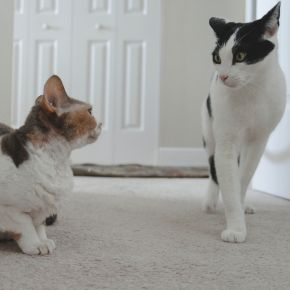
Cats thrive on routine, so even small changes in their environment can cause stress. Whether you’re moving house, introducing a new pet, or even just rearranging the furniture, your cat may need support to adjust.
With May being Veterinary Nursing Awareness Month, it’s a great time to highlight how our veterinary nurses in Lanarkshire, can help you keep your feline friend happy during times of change. Don´t hesitate to get in touch for more support!
Talk to us about cat calming products
Helping cats cope with changes at home
Cats often show stress in subtle ways, so watch out for:
- Hiding more than usual
- Changes in appetite
- Excessive grooming or over-scratching
- Toileting outside the litter tray
- Increased vocalisation
- Aggressive or withdrawn behaviour
The Avenues Vets’ nurses share that if your cat is showing any of these signs, there are ways to help them feel more secure.
- Create a safe space – Set up a quiet area with their favourite bed, toys, and litter tray. Giving them a familiar retreat within their home in Glasgow can help them feel more in control.
- Keep to a routine – Try to feed, play, and interact with your cat at the usual times, even during a big change like moving house.
- Introduce new things gradually – If you’re bringing in new furniture or a new pet, allow your cat to explore at their own pace. Scent swapping (rubbing a cloth on the new pet and placing it near your cat) can help them adjust before meeting face-to-face.
- Use cat calming products – Pheromone diffusers and calming supplements can help reduce stress levels.
- Provide vertical space
The Avenues Vets’ nurses explain that cats feel safer when they have high perches to observe from, so make sure they have access to shelves, cat trees, or window ledges.
For tailored advice on which cat calming products are best to use for your type of situation, contact our vet practice in Glasgow or call us now on 0141 643 0404 and we’ll be happy to help.
If your cat is struggling despite your best efforts, our team at Avenues Vets can offer further advice and recommend additional support. Contact us and our team can help you and your cat get through these changes together.
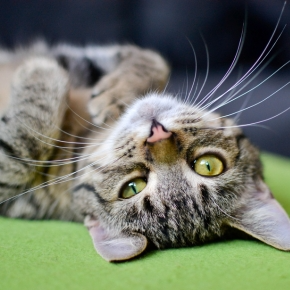
April is National Pet Month, making it the perfect time to reflect on what our feline companions need to thrive. Cats may be independent, but they still rely on us to provide the essentials for a happy and fulfilling life. In this article, our Vet Nicola Armstrong shares the key elements needed for cats to live a happy, healthy life. Book an appointment to help assess ways to increase your cat´s happiness and wellbeing.
What every cat needs for a happy and fulfilling life
A balanced diet and fresh water
Our Vet Nicola explains how good nutrition is key to keeping your cat healthy. Whether you choose wet, dry, or a combination of both, their food should meet their age, health, and lifestyle needs. Always provide fresh water – some cats prefer running water, so a pet fountain can be a great option.
A safe and stimulating environment
Cats need a space where they feel secure, with cosy spots to rest and high perches to observe their surroundings in Glasgow. Mental stimulation is just as important – puzzle feeders, interactive toys, and scratching posts all help keep boredom at bay. Maybe your cat would love a catio! A catio is a safe, enclosed outdoor space designed for cats. It provides a secure environment where your cat can enjoy being outdoors without the risks associated with roaming freely in and around Lanarkshire. Think of it as your cat’s personal garden – a place where they can bask in the sunshine, watch the birds, and enjoy a bit of fresh air.
Regular health checks
Routine vet visits at Avenues Vets ensure any potential health issues are caught early. Vaccinations, parasite prevention, and dental care all play a role in keeping your cat in top shape. As part of National Pet Month, why not schedule a check-up with our vet team to give your cat the best start to the season?
Love and companionship – on their terms!
Nicola advises that while some cats enjoy a cuddle, others prefer to show affection in their own way. Respect their boundaries, provide gentle interaction, and let them come to you when they’re ready. Building trust is key to a happy relationship.
By meeting these needs, you can ensure your cat enjoys a long, contented life. If it’s been a while since their last vet check, now is the perfect time to book one.
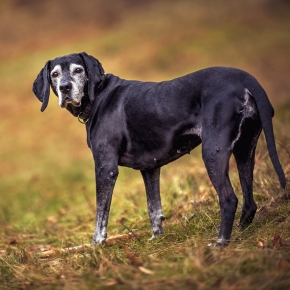
April is National Pet Month, a time to celebrate the joy pets bring to our lives. As our beloved companions reach old age, their needs change, but with the right care, they can continue to lead happy, active lives well into their senior years. Our Vet Nicola Armstrong shares below how to support your older pet’s health and wellbeing.
For tailored advice about your ageing pet’s care, contact us to book a senior health check at our vet practice in Glasgow.
Senior pets: keeping your older pet healthy and active
Recognising the signs of ageing
Just like us, pets slow down as they age. The Avenues Vets’ Vet Nicola explains some common signs of ageing:
- Stiffness or difficulty moving, especially after rest.
- Changes in appetite or weight.
- Reduced energy levels or increased sleep.
- Hearing or vision loss.
- Dental issues, such as bad breath or difficulty eating.
Regular vet check-ups at Avenues Vets help detect age-related conditions early, allowing for the best possible care and management.
Keeping senior pets active and engaged
Exercise remains important for older pets, but Nicola advises that it should be adapted to their abilities. Consider:
- Gentle walks around Glasgow for dogs to maintain mobility without overexertion.
- Interactive toys and puzzle feeders to keep their minds active.
- Shorter, more frequent play sessions to suit their energy levels.
- Soft, comfortable bedding to support ageing joints and prevent stiffness.
Cats, too, benefit from regular play and mental stimulation. Encourage movement with wand toys, scratching posts, or climbing structures that are easy to access.
Supporting health through diet and routine care
Senior pets often require diet adjustments to maintain a healthy weight and support joint and organ health. Our senior pet foods at Avenues Vets can help with:
- Joint support through added omega-3s and glucosamine.
- Digestive health with easily digestible ingredients.
- Maintaining muscle mass and energy levels with high-quality protein.
- Regular dental checks, parasite control, and grooming are also essential to keep older pets comfortable and healthy.
As we celebrate National Pet Month, it’s the perfect time to review your pet’s health and lifestyle. If you have questions about your senior pet’s needs, our Vet Nicola Armstrong is here to help.


